
Fungus · GBIF taxon 7844497
Silvery-violet Cort
Cortinarius alboviolaceusAlso known as Silvery-violet Webcap, Pearly Webcap, Silver-violet Cortinarius
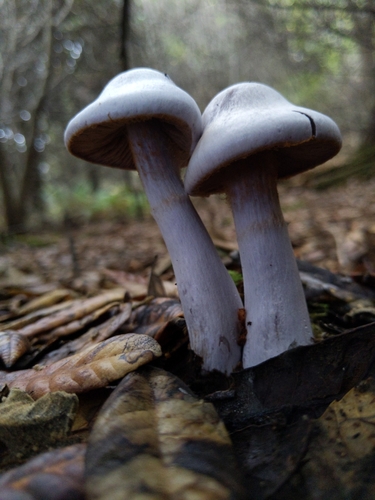
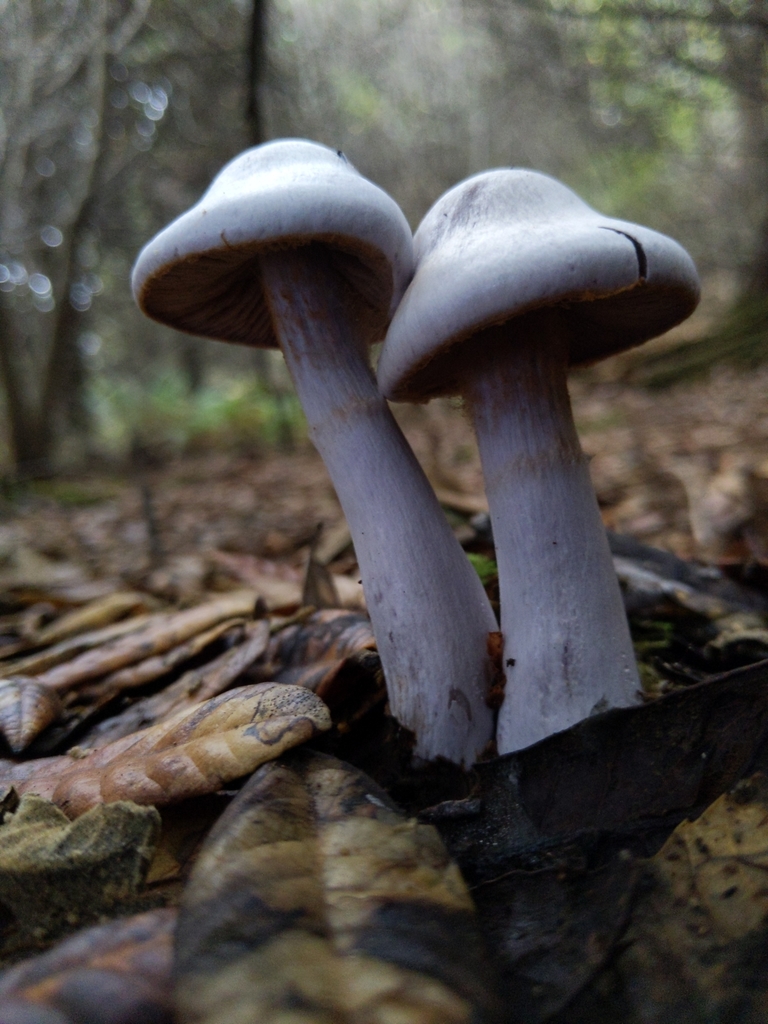
Silvery-violet Cort features a silky, pale lilac-to-silver cap that gradually ages to a dull brownish-buff color. Early in development, a delicate cobweb-like veil called a cortina protects the young gills, eventually trapping rust-brown spores as it breaks. This mushroom forms underground mycorrhizal partnerships with broadleaf trees, playing a vital role in forest soil nutrient cycles during late summer and autumn.
Silky CapMycorrhizalAutumn Mushroom
 1 / 7
1 / 7—observations
—countries
—peak records
Not EvaluatedConservation statusIUCN Red List categoriesLCNTVUENCREWEXNot Evaluated — not placed on the risk ladderRed List categories, explained →
Diet & prey
- Mycorrhizal
Predators
- Fungus gnats
- Slugs
- Squirrels
ThreatsHabitat destruction, soil compaction, broadscale deforestation
HabitatsDeciduous and mixed woodlands, oak-beech forests, birch woods
Life span1–2 weeks (fruiting body)
Classification
- OrderAgaricales
- FamilyCortinariaceae
- GenusCortinarius
- SpeciesCortinarius alboviolaceus
Range data is not available yet.
Interaction riskHigh
- Low
- Moderate
- High
- Very high
- Why interaction risk is high
- Many wild mushrooms contain dangerous toxins and look-alikes; never eat wild fungi based on app identification alone.
- Why it is dangerous
- Belongs to a genus notorious for containing deadly renal toxins like orellanine, which cause delayed kidney failure.
- How to recognize a risky encounter
- Look for a silky, silvery-lilac cap, pale lilac gills that turn rusty brown, and a distinct cobweb-like cortina.
- What to do
- Safe to inspect at a close distance, but wash hands thoroughly after contact and never consume wild webcaps.
Responsible observation
- Observe the cortina: Look underneath young caps for delicate, cobwebby threads holding rusty brown spores.
- Check maturity: Note how the pale violet hues fade to dull brownish-buff as the mushroom ages.
- Examine nearby trees: Identify surrounding broadleaf trees like oak or beech to confirm host context.
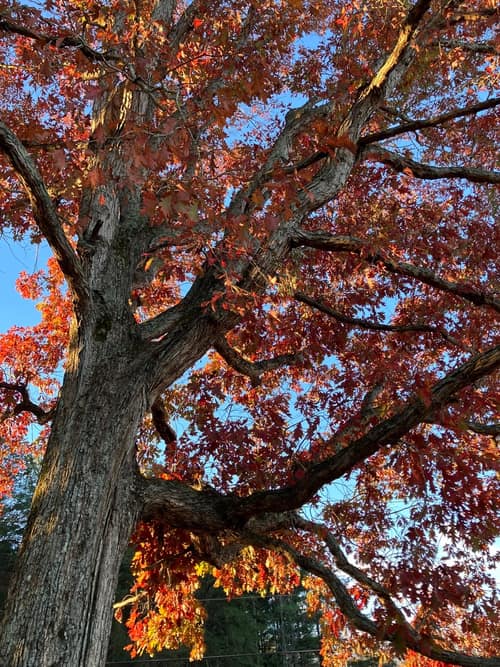
Mycorrhizal Partner (c) Alicia Ballard, some rights reserved (CC BY) · cc-by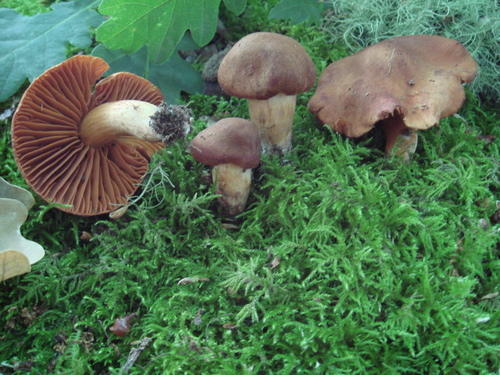
Toxic Relative (c) Jose Castro, some rights reserved (CC BY) · cc-by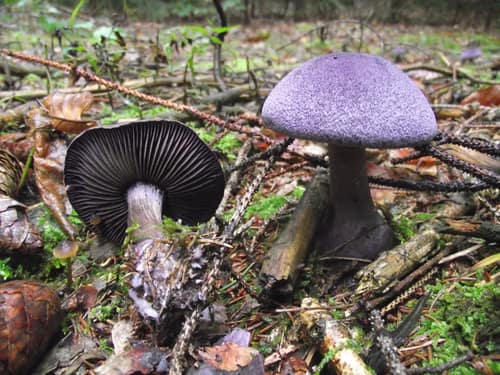
Close Relative (c) Davide Puddu, some rights reserved (CC BY), uploaded by Davide Puddu · cc-by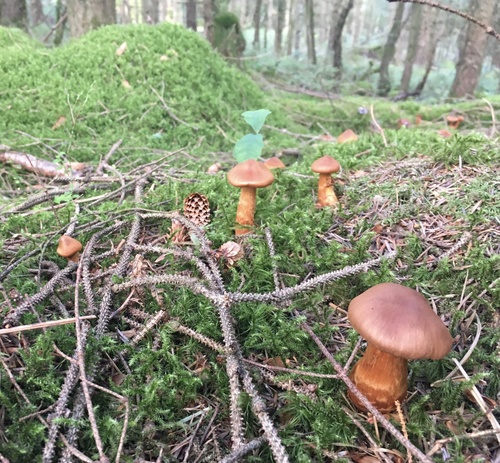
Toxic Relative (c) Albert Cardona, some rights reserved (CC BY) · cc-by
Help improve the field guideSomething wrong?
Checking your Fauna account…Report a name, category, or profile issue for review.