
Fungus · GBIF taxon 7832732
Bay Bolete
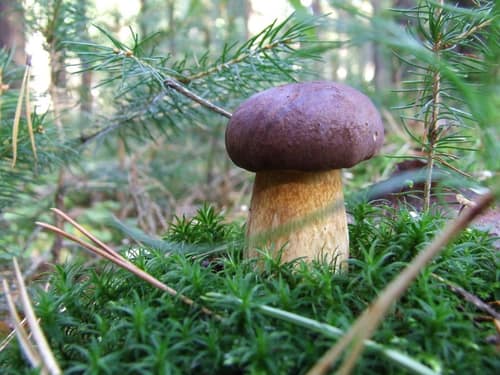
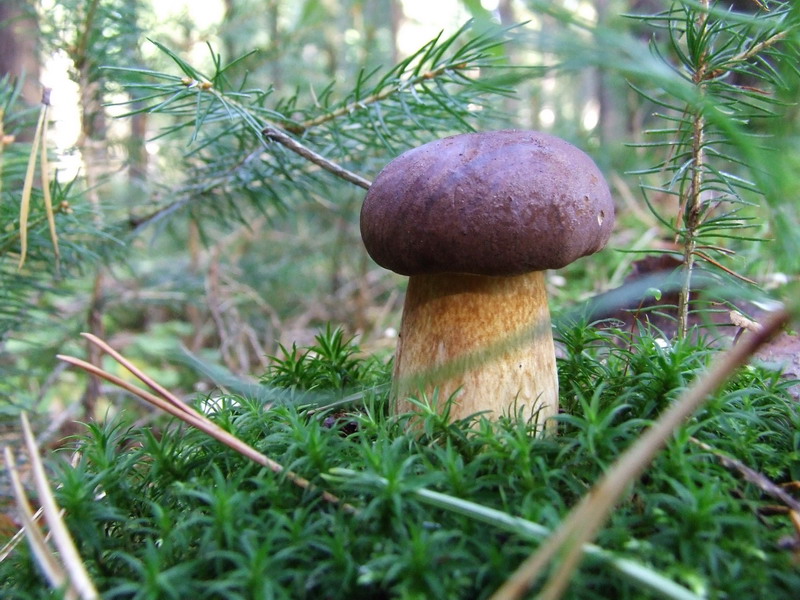
Imleria badiaBay boletes emerge in autumn across temperate woodlands, forming vital mycorrhizal partnerships with pine, spruce, and beech trees. Their deep chestnut-brown caps feature soft pores underneath that slowly bruise a distinct blue-green when gently pressed or cut. These fungi play a crucial role in forest nutrient cycles by exchanging soil minerals for tree sugars.
Pored CapMycorrhizalForest Dweller
—observations
—countries
—peak records
Least ConcernConservation statusIUCN Red List categoriesLCNTVUENCREWEXLeast ConcernRed List categories, explained →
Diet & prey
- Mycorrhizal
Predators
- Slugs
- Fungus Gnat Larvae
- Red Squirrels
ThreatsHabitat degradation and soil compaction
HabitatsConiferous and hardwood forests
Life spanFruiting bodies persist 1–2 weeks
Size / weightNot available
Classification
- OrderBoletales
- FamilyBoletaceae
- GenusImleria
- SpeciesImleria badia
Range data is not available yet.
Interaction riskLow
- Low
- Moderate
- High
- Very high
- Why interaction risk is low
- Many edible mushrooms have toxic look-alikes; never eat wild fungi based on app identification alone.
Responsible observation
- Pore Inspection: Look closely at the pale yellow pores underneath, which slowly stain blue-green when gently touched.
- Habitat Clues: Search around mature pine, spruce, and beech roots where mycorrhizal fungi thrive in damp moss.
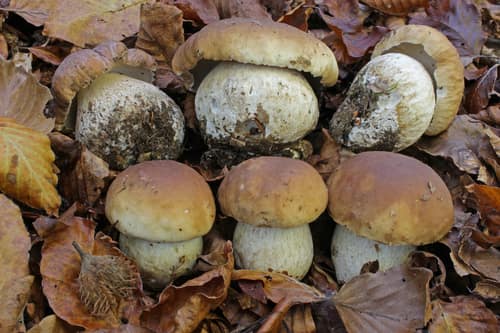
Look-Alike (c) Davide Puddu, some rights reserved (CC BY), uploaded by Davide Puddu · cc-by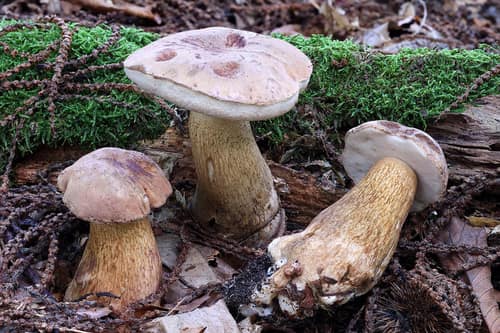
Look-Alike (c) Daniel Ghyselinck, some rights reserved (CC BY), uploaded by Daniel Ghyselinck · cc-by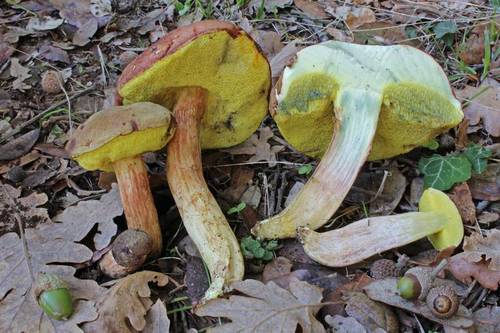
Close Relative (c) Davide Puddu, some rights reserved (CC BY), uploaded by Davide Puddu · cc-by
Keep collecting in Fauna
Found in Collections
Species set Pro
Fungi Forager
Bay Bolete is found in this collection. Identify it in Fauna to fill this slot and continue your progress.
Unlock to track progress
Help improve the field guideSomething wrong?
Checking your Fauna account…Report a name, category, or profile issue for review.