
Flower · GBIF taxon 7832723
Calico Aster
Symphyotrichum lateriflorumAlso known as Starved Aster, White Woodland Aster, Side-flowering Aster, Goblet Aster
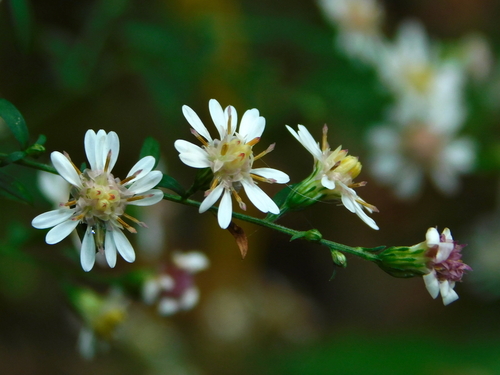
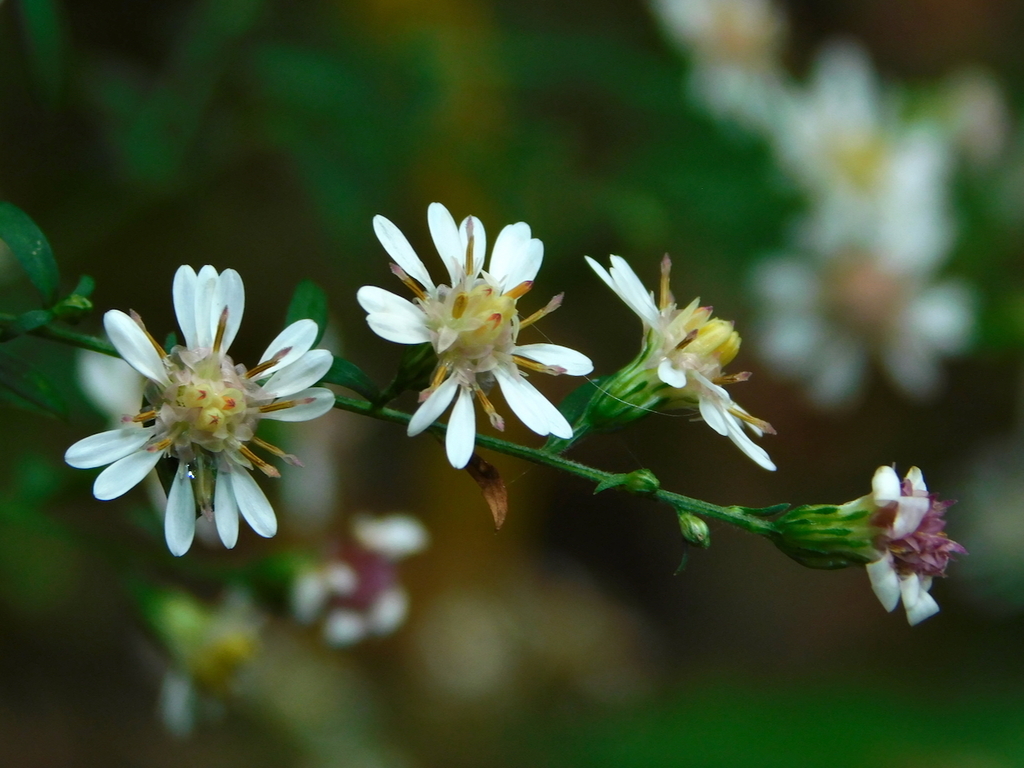
Calico asters illuminate autumn woodlands with arching sprays of miniature daisy-like blossoms that typically line one side of their wiry branches. The flower heads feature central disk florets that shift from pale yellow to deep reddish-purple after pollination, giving clusters their distinctive multicolored calico pattern. Blooming late into autumn, they provide an essential nectar bridge for native bees, flower flies, and migrating butterflies when few other floral resources remain.
WildflowerFall-bloomingPollinator Magnet
 1 / 7
1 / 7—observations
—countries
—peak records
Least ConcernConservation statusIUCN Red List categoriesLCNTVUENCREWEXLeast ConcernRed List categories, explained →
Diet & prey
- Photosynthetic autotroph
Predators
- White-tailed Deer
- Eastern Cottontail
- Groundhog
ThreatsInvasive plant competition, heavy deer browsing, and woodland clearing
HabitatsDeciduous woodlands, forest edges, clearings, stream banks, and meadows
Life spanPerennial (typically 5–15 years)
Size / weightNot available
Classification
- OrderAsterales
- FamilyAsteraceae
- GenusSymphyotrichum
- SpeciesSymphyotrichum lateriflorum
Range data is not available yet.
Interaction riskLow
- Low
- Moderate
- High
- Very high
- Why interaction risk is low
- Safe to observe at a normal distance.
Responsible observation
- Flower Color Observation: Check disk centers to distinguish unpollinated yellow florets from pollinated purplish ones.
- Pollinator Watching: Visit patches on sunny autumn afternoons to spot diverse native bees and hoverflies feeding.
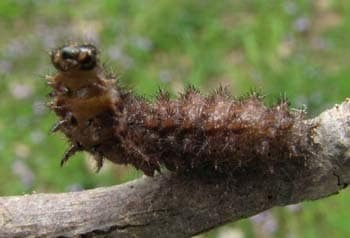
Host Plant (c) Beatriz Moisset, some rights reserved (CC BY-SA) · cc-by-sa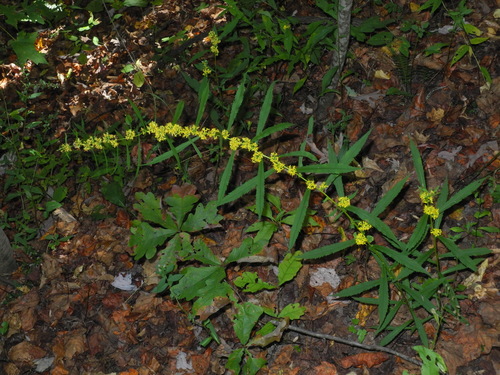
Frequent Companion (c) Michael J. Papay, some rights reserved (CC BY), uploaded by Michael J. Papay · cc-by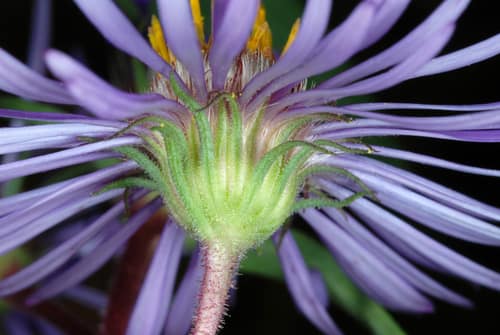
Close Relative (c) Douglas Goldman, some rights reserved (CC BY-SA), uploaded by Douglas Goldman · cc-by-sa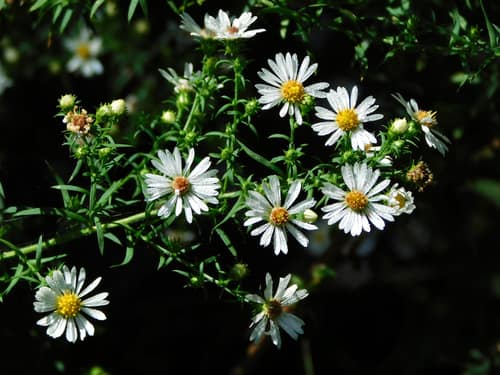
Close Relative (c) Michael J. Papay, some rights reserved (CC BY), uploaded by Michael J. Papay · cc-by
Help improve the field guideSomething wrong?
Checking your Fauna account…Report a name, category, or profile issue for review.