
Reptile
Chelonoidis vicina
Chelonoidis vicinaAlso known as Cerro Azul Giant Tortoise, Iguana Cove Tortoise, Cerro Azul Tortoise
These massive reptiles graze on the rugged slopes of the Cerro Azul volcano, sculpting vegetation patterns through their feeding and trampling. They spend cool highland nights nestled in mud wallows or dense brush to retain heat before descending to sun-warmed volcanic soil by midday. During prolonged dry spells, adults survive for months without food or water by metabolizing fat stores and moisture retained in their bladders.
ReptileHerbivoreLong-Lived
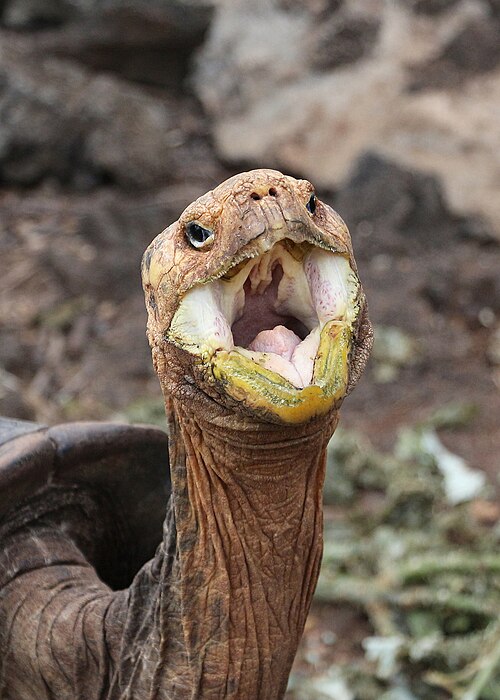
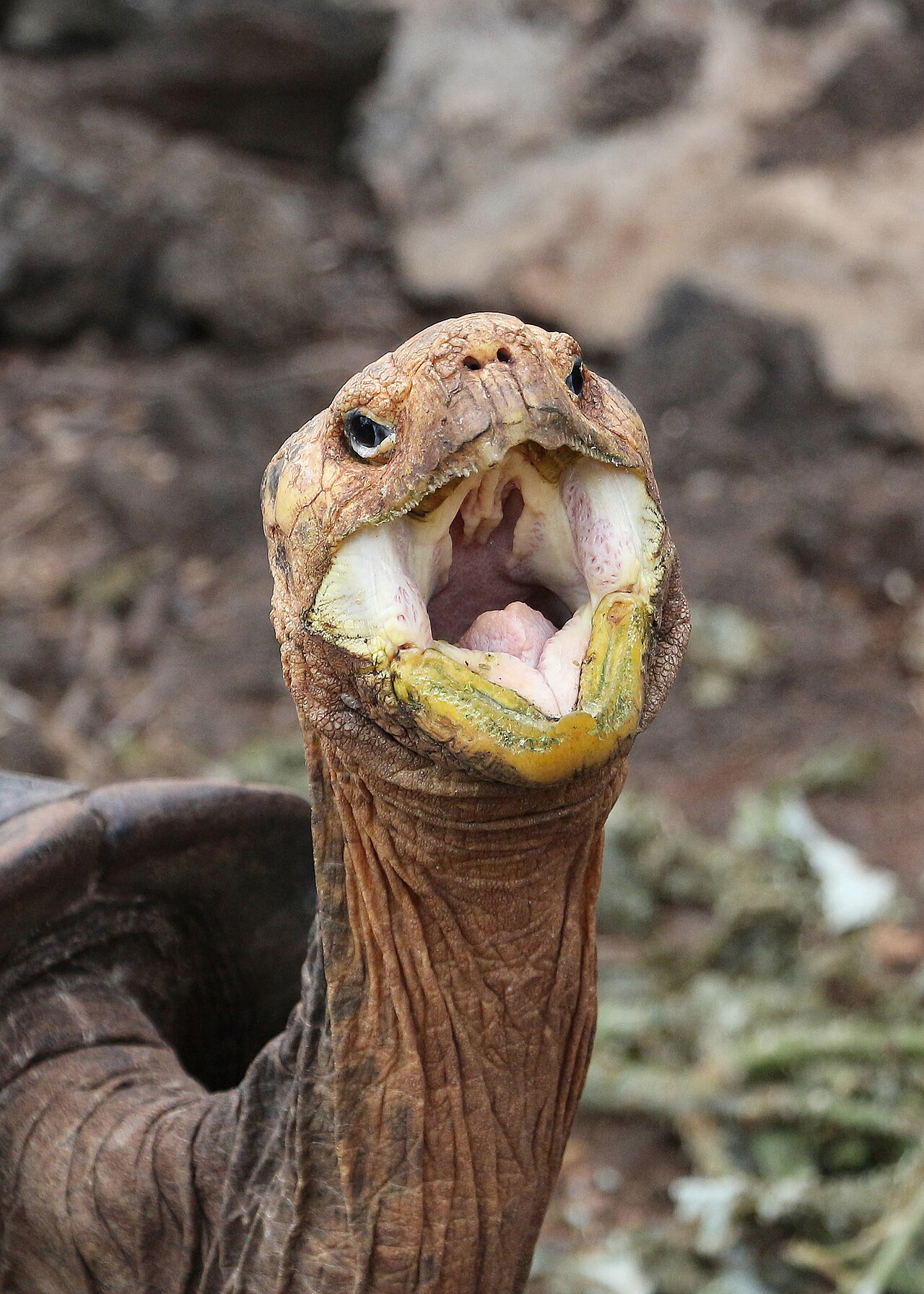
—observations
—countries
—peak records
EndangeredConservation statusIUCN Red List categoriesLCNTVUENCREWEXEndangeredRed List categories, explained →
Diet & preyOpuntia cactus, Wild grasses, Native berries
Predators
- Galapagos hawks
- Feral pigs
- Feral dogs
ThreatsInvasive feral predators, habitat degradation, and volcanic eruptions
HabitatsVolcanic slopes, dry deciduous forests, and montane scrub
Life span100–150 years
Classification
- FamilyTestudinidae
- SpeciesChelonoidis vicina
Range data is not available yet.
Interaction riskLow
- Low
- Moderate
- High
- Very high
- Why interaction risk is low
- Safe to observe at a normal distance.
- What to notice
- Recognizable by an enormous domed carapace, thick columnar limbs, and a bulky, wrinkled neck.
- Support conservation
- Observe quietly from at least two meters away, never touch the shell, and do not block their path.
Responsible observation
- Respect Distance: Keep at least two meters away to avoid stressing resting or feeding tortoises.
- Stay on Marked Paths: Remain on authorized trails to prevent trampling nests and fragile volcanic flora.
- Do Not Feed: Allow tortoises to forage natural food sources to keep wild populations healthy.
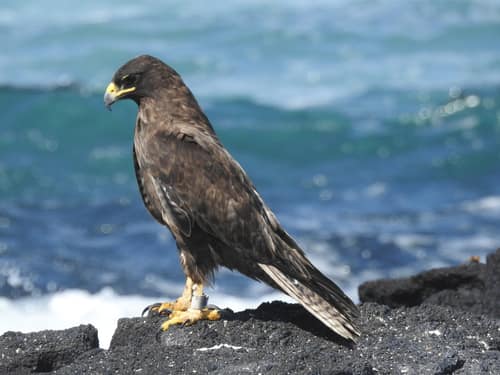
Predator (c) Tristan Jobin, some rights reserved (CC BY), uploaded by Tristan Jobin · cc-by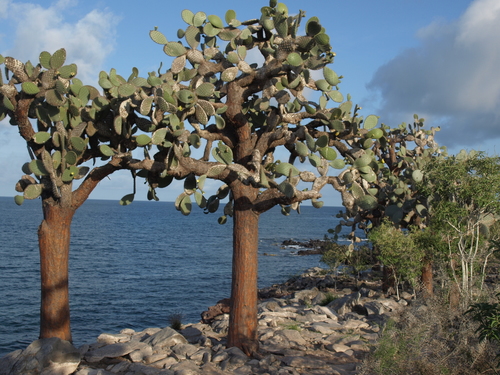
Prey (c) Jim Morefield, some rights reserved (CC BY), uploaded by Jim Morefield · cc-by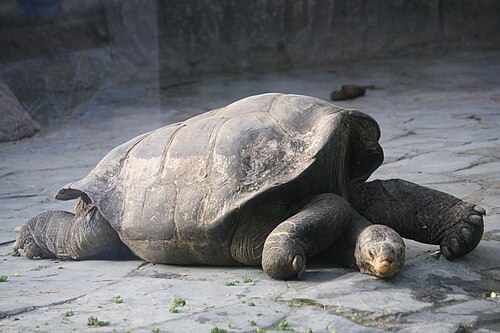
Close Relative Matěj Baťha / CC BY-SA 3.0 · cc-by-sa
Help improve the field guideSomething wrong?
Checking your Fauna account…Report a name, category, or profile issue for review.