
Fungus
Burnt-orange Bolete
Tylopilus ballouiAlso known as Ballou's Bolete
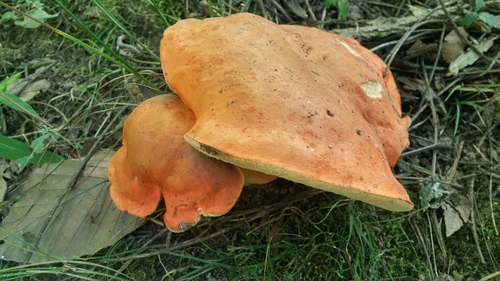
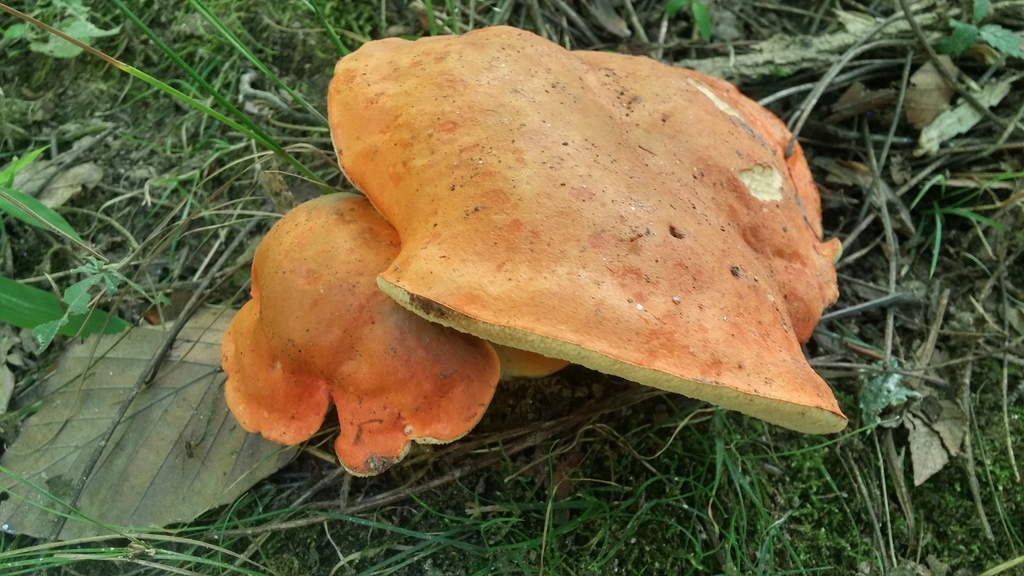
Burnt-orange boletes light up the forest floor with vibrant apricot to reddish-orange caps that contrast sharply with pale cream or yellowish pore surfaces. They form intimate mycorrhizal associations with mature hardwoods, trading soil minerals for host-derived sugars under oaks and beeches. As the fruit body ages, the bright velvety cap typically fades to an ochre-brown, while bruised pores slowly discolor to rich cinnamon.
FungusMycorrhizalForest Floor
—observations
—countries
—peak records
Least ConcernConservation statusIUCN Red List categoriesLCNTVUENCREWEXLeast ConcernRed List categories, explained →
Diet & preyMycorrhizal nutrition via host tree root symbiosis
Predators
- Fungus gnat larvae
- Gastropods (slugs and snails)
- Small woodland rodents
ThreatsDeforestation, host tree decline, and heavy soil compaction
HabitatsDeciduous and mixed woodlands, particularly near oak, beech, and pine
Life spanFruit body persists 4–10 days; mycelial network lives for decades
Classification
- OrderBoletales
- FamilyBoletaceae
- GenusTylopilus
- SpeciesTylopilus balloui
Range data is not available yet.
Interaction riskLow
- Low
- Moderate
- High
- Very high
- Why interaction risk is low
- Many edible mushrooms have toxic look-alikes; never eat wild fungi based on app identification alone.
Responsible observation
- Cap Observation: Examine the velvety cap texture and vibrant apricot tint without disturbing the soil.
- Pore Surface Check: Note how the whitish to buff pores stain slowly when gently touched.
- Habitat Inspection: Look around the base of nearby oaks and beech trees to spot mycorrhizal connections.
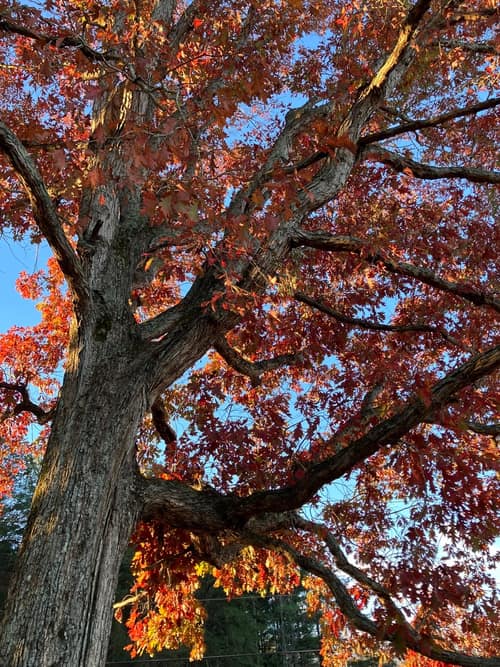
Host Plant (c) Alicia Ballard, some rights reserved (CC BY) · cc-by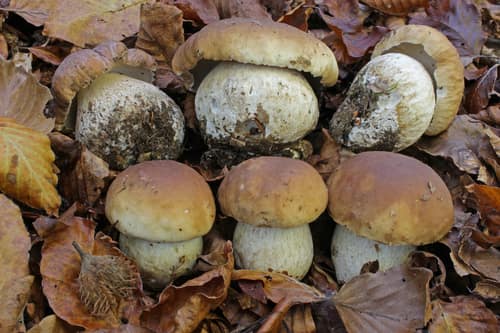
Ecological Companion (c) Davide Puddu, some rights reserved (CC BY), uploaded by Davide Puddu · cc-by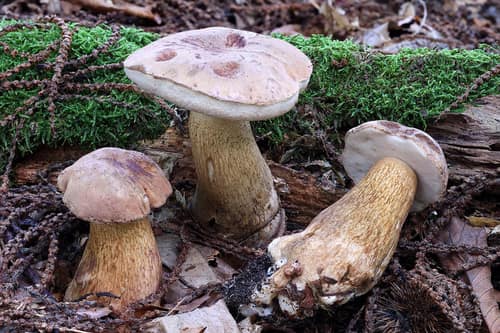
Close Relative (c) Daniel Ghyselinck, some rights reserved (CC BY), uploaded by Daniel Ghyselinck · cc-by
Keep collecting in Fauna
Found in Collections
Species set Pro
Fungi Forager
Burnt-orange Bolete is found in this collection. Identify it in Fauna to fill this slot and continue your progress.
Unlock to track progress
Help improve the field guideSomething wrong?
Checking your Fauna account…Report a name, category, or profile issue for review.