
Insect
Oeme rigida
Oeme rigidaAlso known as Cedar Tree Borer, Rigid Longhorn Beetle
Slender and tawny brown, these nocturnal longhorn beetles spend hot daylight hours concealed in crevices of dead or stressed junipers. Males bear sweeping antennae extending well beyond the tip of the abdomen, using them to detect female pheromones across nocturnal woodland canopies. The wood-boring larvae accelerate the decomposition of seasoned redcedar and cypress wood, returning vital nutrients to forest soils.
NocturnalWood-BoringConifer Specialist
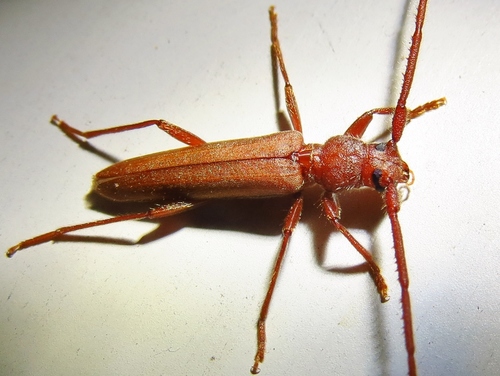
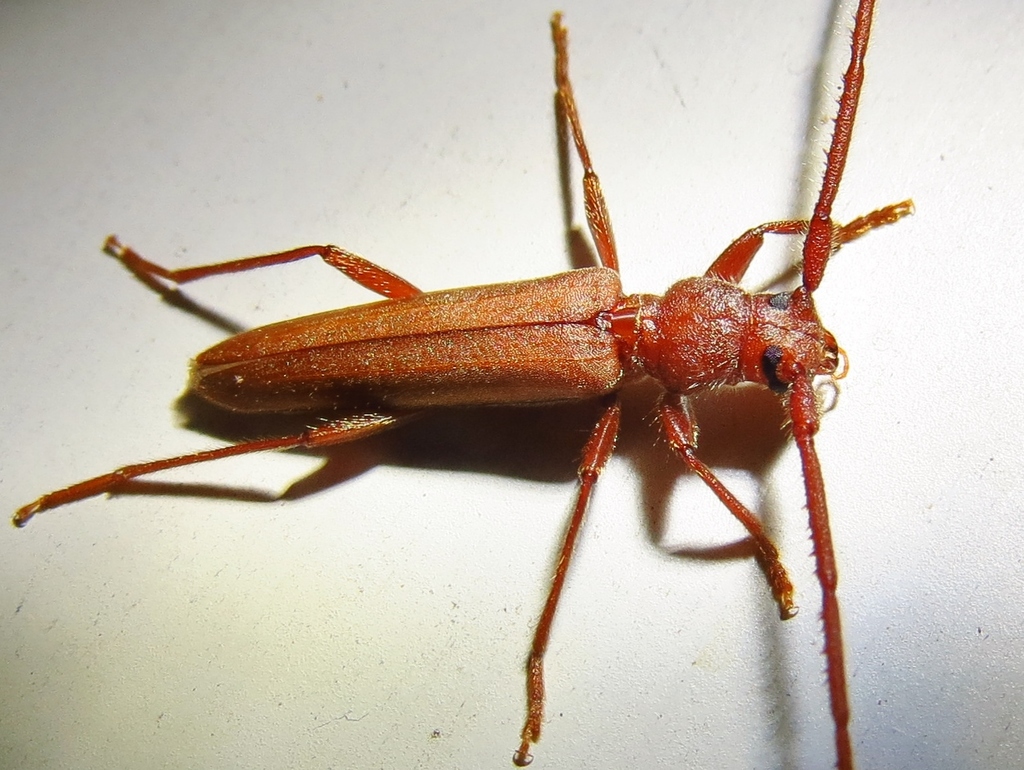
—observations
—countries
—peak records
Not EvaluatedConservation statusIUCN Red List categoriesLCNTVUENCREWEXNot Evaluated — not placed on the risk ladderRed List categories, explained →
Diet & preyEastern redcedar sapwood, Ashe juniper wood, Bald cypress timber
Predators
- Woodpeckers
- Insectivorous bats
- Parasitoid wasps
ThreatsHabitat fragmentation and broadscale clearance of dead conifer wood
HabitatsCedar glades, pine-oak woodlands, juniper savannas, and cypress swamps
Life span1–2 years
Classification
- OrderColeoptera
- FamilyCerambycidae
- GenusOeme
- SpeciesOeme rigida
Range data is not available yet.
Interaction riskLow
- Low
- Moderate
- High
- Very high
- Why interaction risk is low
- Safe to observe at a normal distance.
Responsible observation
- Night Observing: Set up an ultraviolet light trap near cedar stands on warm summer nights to draw adults.
- Bark Inspection: Check the trunks of newly fallen junipers at dusk using a low-intensity flashlight.
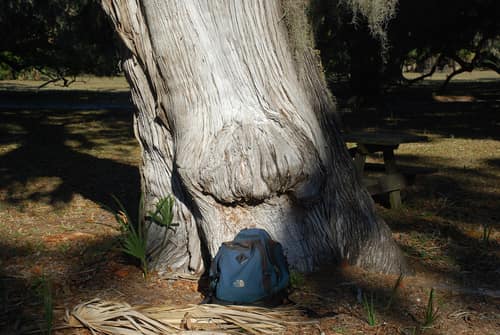
Host Plant (c) Douglas Goldman, some rights reserved (CC BY-SA), uploaded by Douglas Goldman · cc-by-sa Image unavailable
Competitor 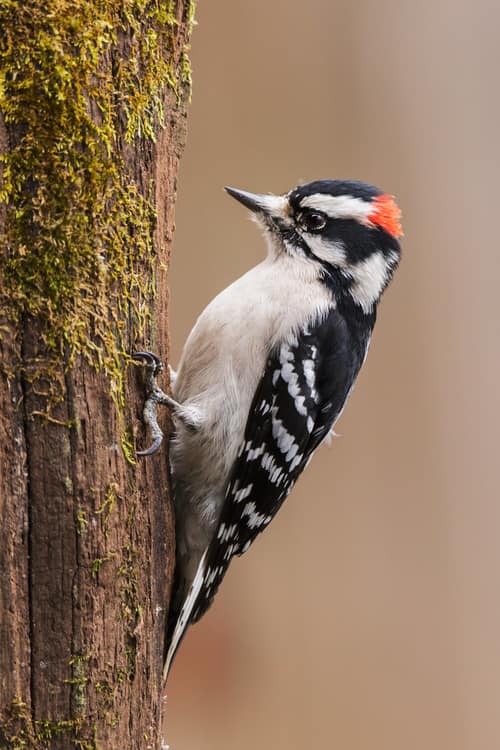
Predator "Male Downy Woodpecker" by ShenandoahNPS is marked with Public Domain Mark 1.0. To view the terms, visit https://creativecommons.org/publicdomain/mark/1.0/. · cc0
Help improve the field guideSomething wrong?
Checking your Fauna account…Report a name, category, or profile issue for review.