Also known as Crow Garlic, Field Garlic, Onion Grass
Wild garlic forms dense underground clumps of small bulbs that send up slender, hollow, chive-like leaves in early spring. Dense spherical heads often produce reddish-purple bulbils rather than true flowers, allowing the plant to clone aggressively and crowd out native competitors. Bruising any part of the plant releases a potent, sulfurous garlic scent that lingers strongly on grazing livestock and taints their dairy.
Life spanPerennial (individual bulbs persist and clone for several years)
Size / weightNot available
Classification
OrderAsparagales
FamilyAmaryllidaceae
GenusAllium
SpeciesAllium vineale
Range & activity
Range data is not available yet.
Safe observation
Interaction riskHigh
Low
Moderate
High
Very high
Why interaction risk is high
Toxic to dogs and cats if ingested; leaves have toxic look-alikes such as deathcamas.
Why it is dangerous
Contains organosulfoxides that cause oxidative damage to red blood cells in pets, inducing severe hemolytic anemia. Vegetative foliage also resembles lethal look-alikes like deathcamas.
How to recognize a risky encounter
Crushed foliage yields a pungent onion or garlic scent; toxic look-alikes lack this aroma completely.
What to do
Keep pets from browsing garden patches, and never forage wild alliums based on app identifications alone.
Responsible observation
Crush and Smell: Bruise a leaf tip to check for a distinct garlic odor that confirms the genus.
Pet Safety: Prevent dogs and cats from grazing on patches in lawns or pastures.
Lawn Removal: Dig deep beneath the roots to remove all satellite bulblets rather than pulling.

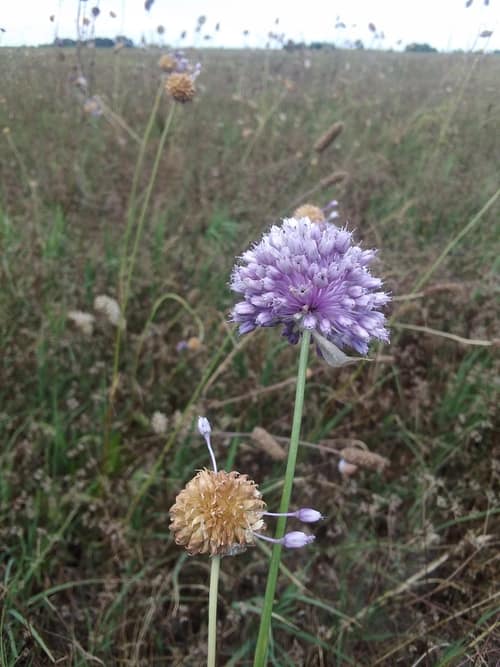
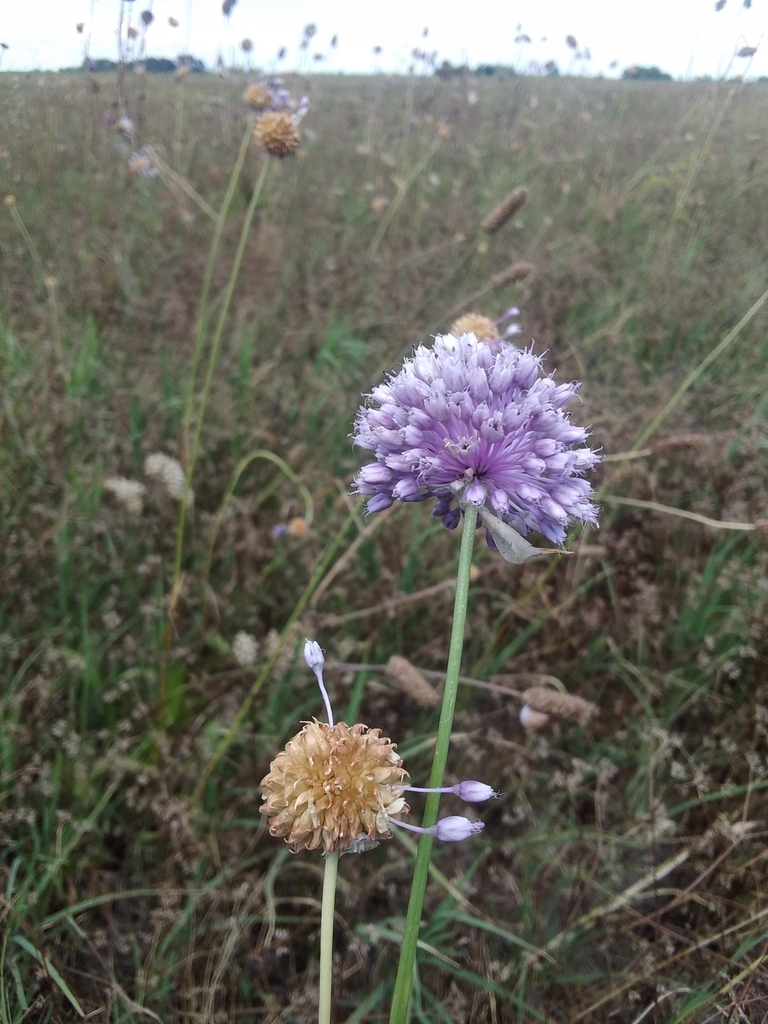
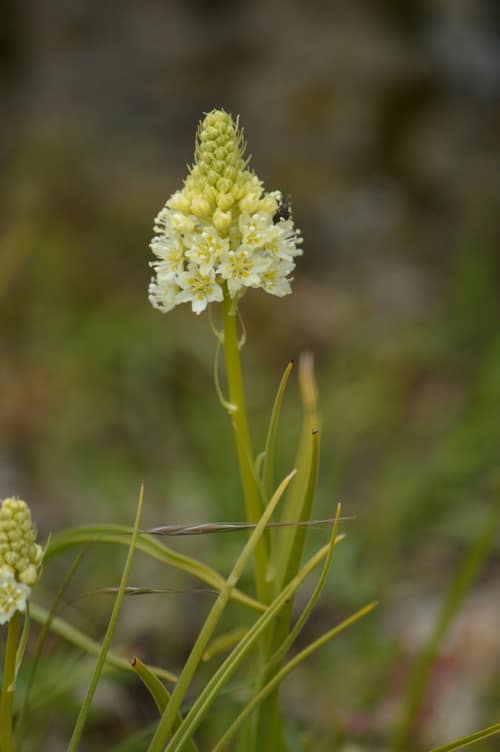
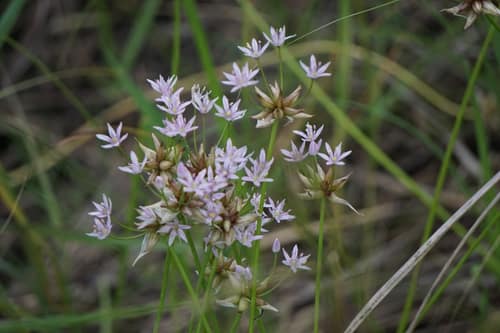
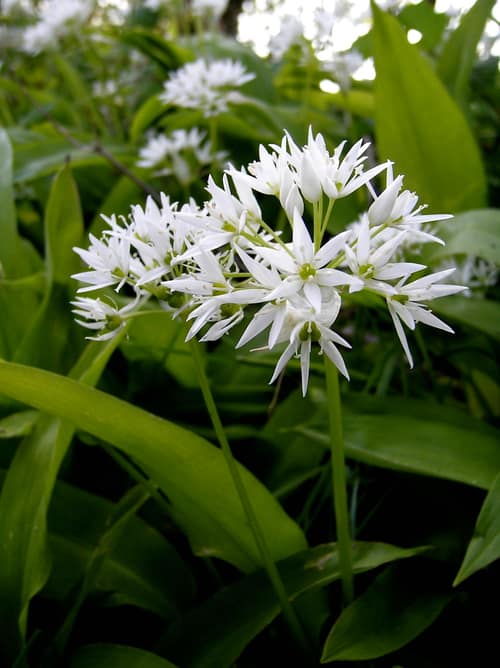
 Image unavailable