
Bird
Eurasian Oystercatcher
Haematopus ostralegusAlso known as European Oystercatcher, Common Pied Oystercatcher, Sea Pie
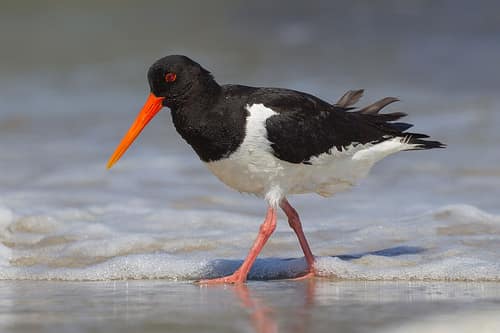
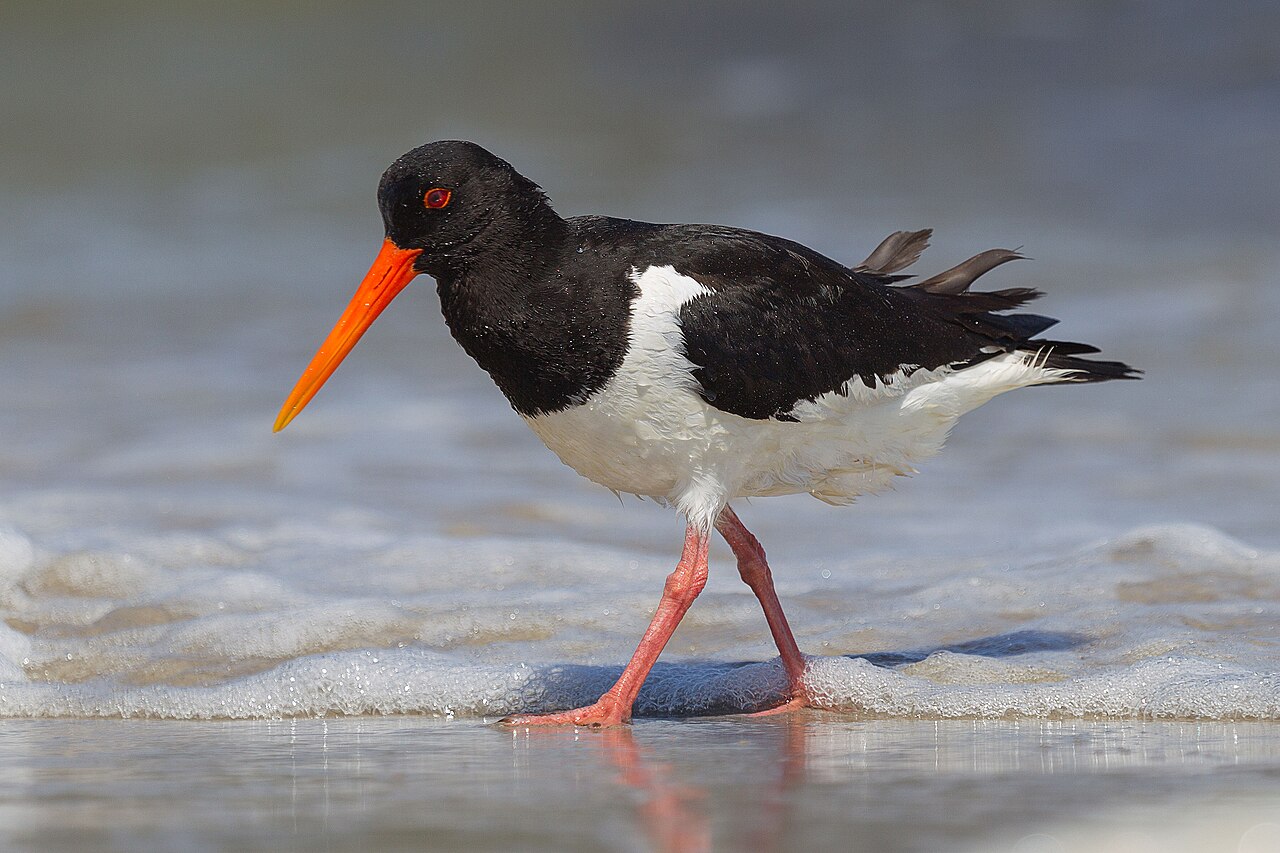
Eurasian Oystercatchers are bold and vocal shorebirds that dominate coastal estuaries and mudflats with their piercing, whistling calls. Individuals specialize in one of two distinct feeding techniques, inheriting or learning to either hammer open hard mollusk shells or carefully pry them apart with their chisel-like bills. During the breeding season, pairs defend ground nests on shingle beaches, rocky shores, and inland fields with dramatic piping displays.
WaderCoastalVocal
—observations
—countries
—peak records
Near ThreatenedConservation statusIUCN Red List categoriesLCNTVUENCREWEXNear ThreatenedRed List categories, explained →
Diet & preyBlue Mussel, Common Cockle, Earthworm
Predators
- Peregrine Falcon
- Red Fox
- Great Black-backed Gull
ThreatsCoastal development, shellfishery competition, habitat loss, and human disturbance at nest sites
HabitatsCoastal estuaries, shingle beaches, mudflats, rocky shores, and inland river valleys
Life span20–35 years
Classification
- FamilyHaematopodidae
- SpeciesHaematopus ostralegus
Range data is not available yet.
Interaction riskLow
- Low
- Moderate
- High
- Very high
- Why interaction risk is low
- Safe to observe at a normal distance.
- What to notice
- Recognizable by striking black-and-white plumage, pink legs, and a vivid orange-red chisel bill.
- Support conservation
- Keep dogs on leashes along coastal dunes and shingle beaches during the spring breeding season.
Responsible observation
- Listening for Calls: Listen for their loud, ringing piping call echoing across tidal mudflats.
- Observing Feeding: Watch through binoculars to see whether an individual pries shells open or hammers through them.
- Nesting Etiquette: Give high-shore gravel and field nest sites a wide berth from April to July.
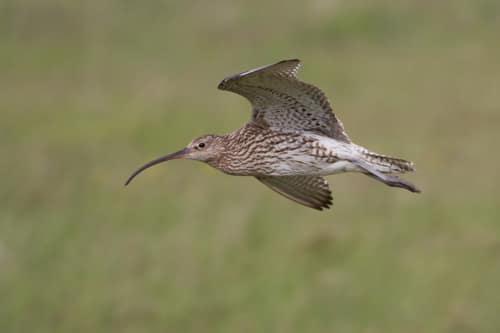
Competitor (c) Joanne Goldby, some rights reserved (CC BY-SA) · cc-by-sa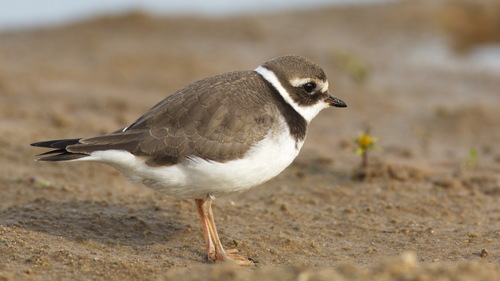
Frequent Companion (c) Вячеслав Юсупов, some rights reserved (CC BY), uploaded by Вячеслав Юсупов · cc-by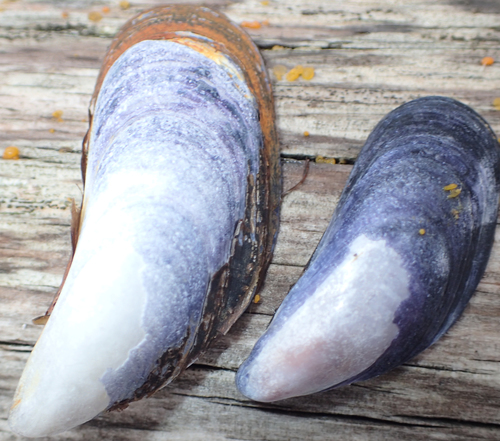
Prey (c) Connie Taylor, some rights reserved (CC BY), uploaded by Connie Taylor · cc-by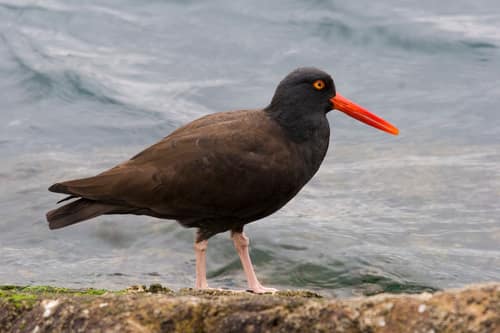
Close Relative (c) Mike Baird, some rights reserved (CC BY) · cc-by
Help improve the field guideSomething wrong?
Checking your Fauna account…Report a name, category, or profile issue for review.