
Fungus · GBIF taxon 7777157
Slippery Jack
Suillus luteusAlso known as Sticky Bun, Slippery Jack Bolete
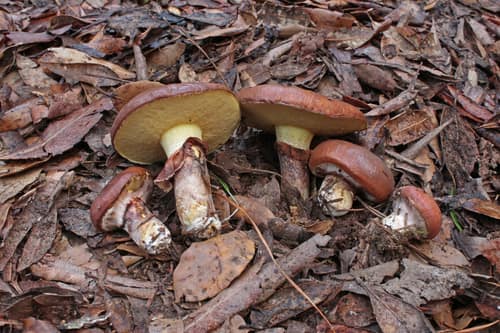
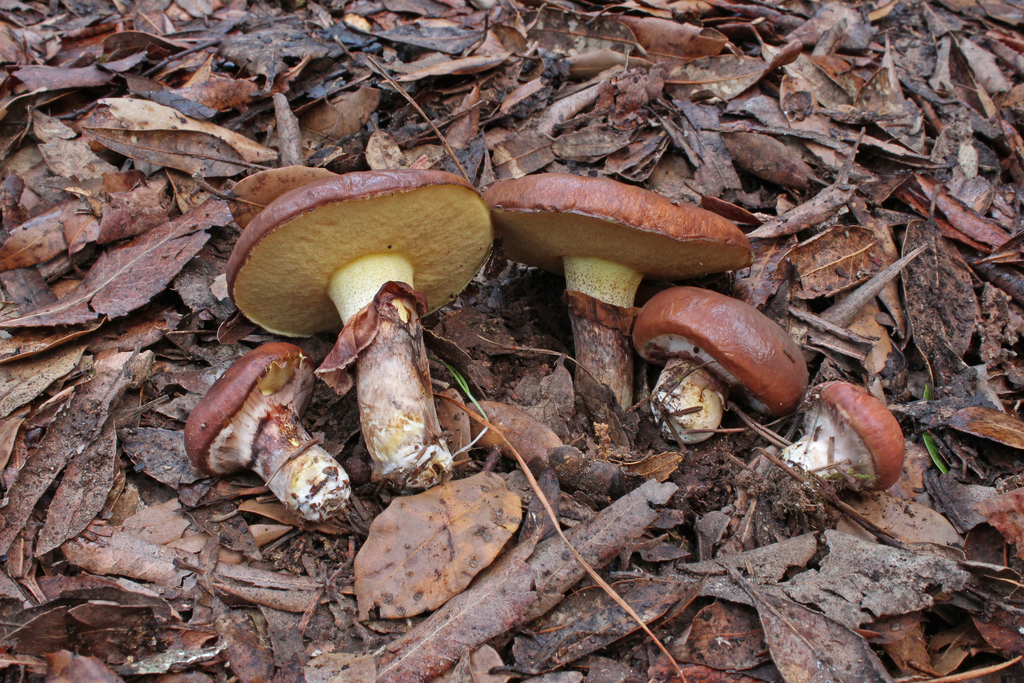
Slippery Jack forms vital mycorrhizal partnerships with pine trees, emerging abundantly in coniferous woodlands after autumn rains. Its distinctive brown cap is coated in a sticky gelatinous layer that protects developing spores from drying out. A prominent purplish partial veil leaves a durable ring high on the stem, helping distinguish it from closely related boletes.
FungusMycorrhizalForest Dweller
 1 / 7
1 / 7—observations
—countries
—peak records
Least ConcernConservation statusIUCN Red List categoriesLCNTVUENCREWEXLeast ConcernRed List categories, explained →
Diet & prey
- Tree Carbohydrates
- Soil Minerals
Predators
- Fungus Gnats
- Slugs
- Squirrels
ThreatsDeforestation, Forest Clearcutting
HabitatsConiferous Forests, Pine Plantations
Life spanPerennial Mycelium (fruiting bodies last 5–10 days)
Size / weightNot available
Classification
- OrderBoletales
- FamilySuillaceae
- GenusSuillus
- SpeciesSuillus luteus
Range data is not available yet.
Interaction riskLow
- Low
- Moderate
- High
- Very high
- Why interaction risk is low
- Many edible mushrooms have toxic look-alikes; never eat wild fungi based on app identification alone.
Responsible observation
- Identification: Look for the sticky brown cap, bright yellow pores, and distinctive purplish stem ring.
- Ecology: Search near young pine trees in sandy soils, especially after heavy autumn rainfalls.
- Spore Print: Place the cap face down on white paper to reveal a chocolate-brown print.
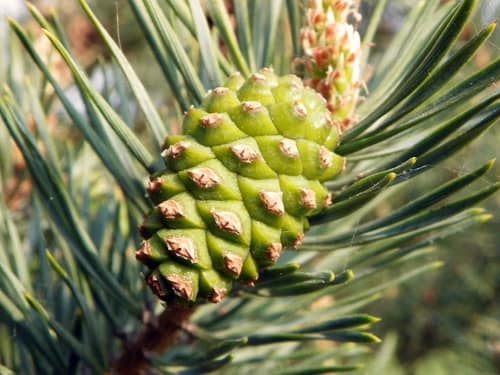
Host Tree (c) anemoneprojectors (no internet at the moment), some rights reserved (CC BY-SA) · cc-by-sa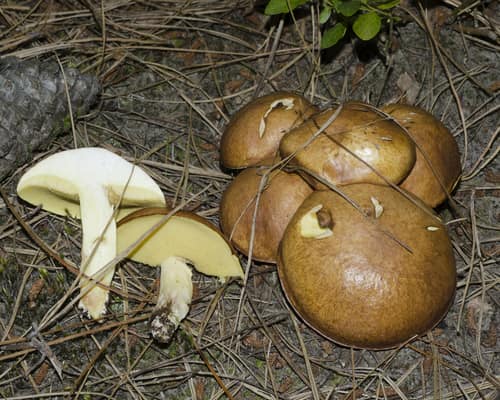
Close Relative (c) Jerry Cooper, some rights reserved (CC BY), uploaded by Jerry Cooper · cc-by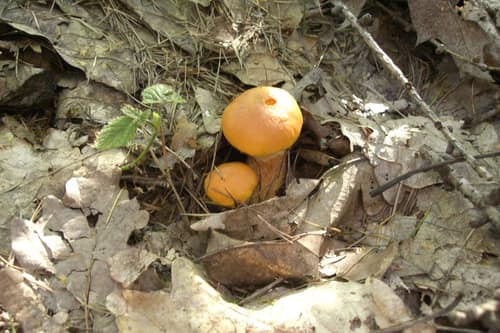
Close Relative (c) Petr Harant, some rights reserved (CC BY) · cc-by
Keep collecting in Fauna
Found in Collections
Species set Pro
Fungi Forager
Slippery Jack is found in this collection. Identify it in Fauna to fill this slot and continue your progress.
Unlock to track progress
Help improve the field guideSomething wrong?
Checking your Fauna account…Report a name, category, or profile issue for review.