
Plant · GBIF taxon 7760485
Grape Ivy
Cissus alataAlso known as Grape Leaf Ivy, Oak Leaf Ivy, Venezuela Treebine
Grape ivy climbs tropical canopy trees using coiled tendrils, forming dense curtains of glossy green foliage with distinctive three-lobed leaves. Young shoots display soft reddish-bronze hairs that fade to deep green as the foliage matures over time. Beyond native South American forests, it has earned worldwide fame as a resilient indoor plant valued for hanging baskets.
Climbing VineHouseplantEvergreen
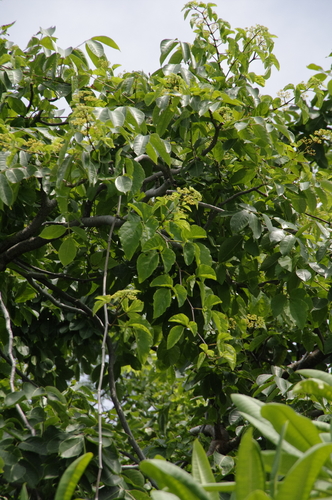
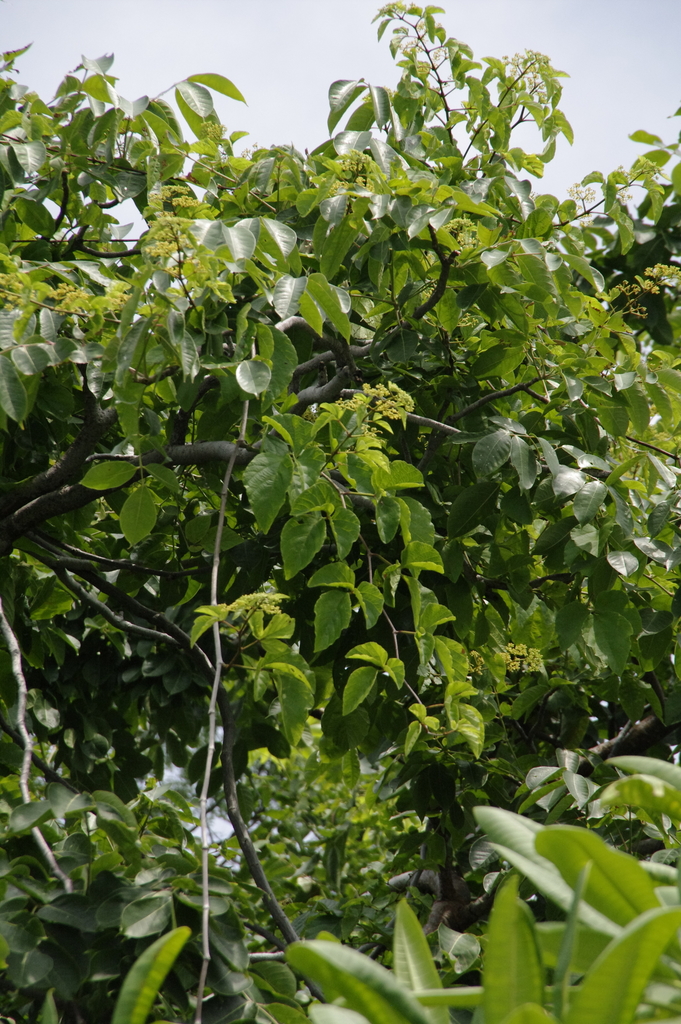
—observations
—countries
—peak records
Not EvaluatedConservation statusIUCN Red List categoriesLCNTVUENCREWEXNot Evaluated — not placed on the risk ladderRed List categories, explained →
Diet & prey
- Autotroph (Photosynthetic)
Predators
- Spider Mites
- Mealybugs
- Scale Insects
ThreatsHabitat loss in localized native ranges
HabitatsTropical forests, humid woodlands, cultivated gardens
Life span10–20 years
Size / weightNot available
Classification
- OrderVitales
- FamilyVitaceae
- GenusCissus
- SpeciesCissus alata
Range data is not available yet.
Interaction riskLow
- Low
- Moderate
- High
- Very high
- Why interaction risk is low
- Safe to observe at a normal distance.
Responsible observation
- Provide support: Offer a trellis or moss pole so tendrils can easily anchor and climb.
- Light management: Place in bright, indirect sunlight to preserve rich foliage color.
- Pruning care: Pinch back stem tips during spring to promote bushier growth.
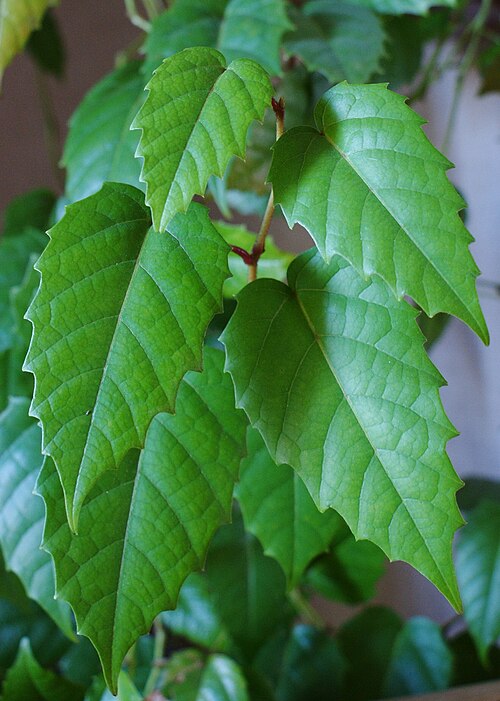
Close Relative Krzysztof Ziarnek, Kenraiz / CC BY-SA 3.0 · cc-by-sa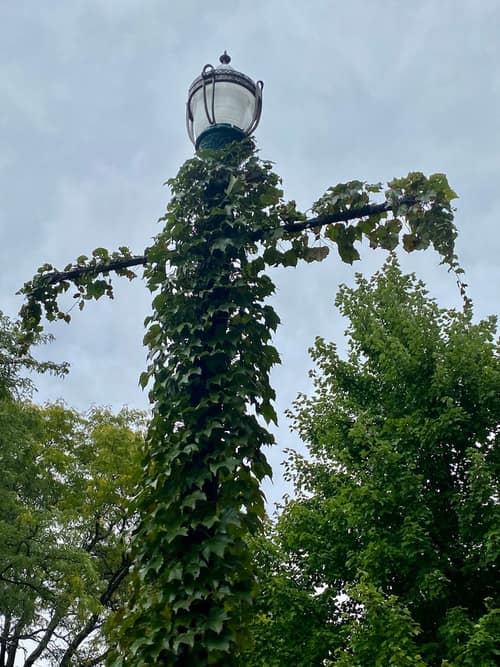
Family Member (c) Sandy Wolkenberg, some rights reserved (CC BY) · cc-by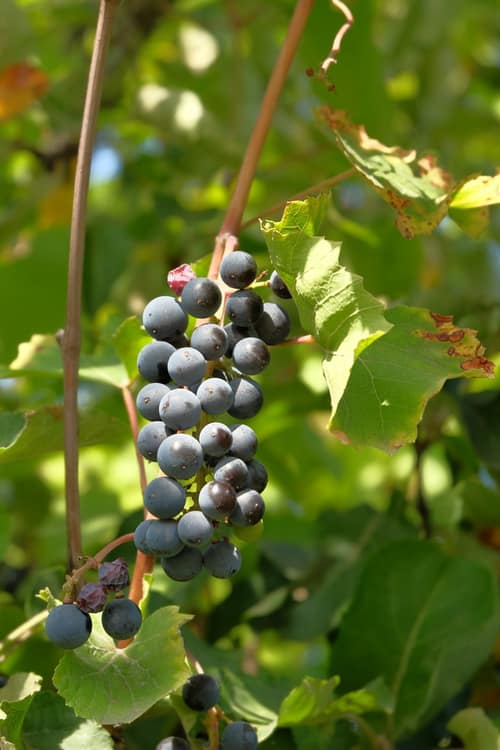
Family Member (c) Andrey Polstianoi, some rights reserved (CC BY), uploaded by Andrey Polstianoi · cc-by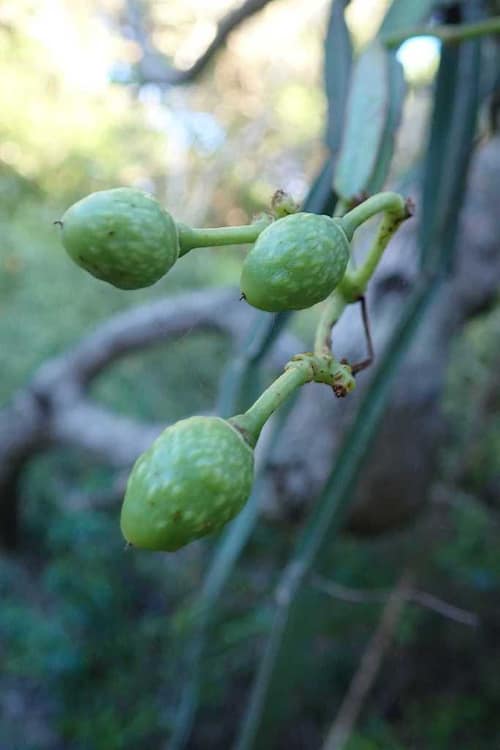
Close Relative no rights reserved, uploaded by Andrew Deacon · cc0
Help improve the field guideSomething wrong?
Checking your Fauna account…Report a name, category, or profile issue for review.