
Fungus
Sap Yeast
Cystofilobasidium maceransCystofilobasidium macerans thrives as a single-celled yeast inhabiting tree exudates, decaying plant material, and cold-climate soils. Capable of flourishing in near-freezing conditions, this psychrotolerant fungus metabolizes simple carbohydrates found in sweet sap weeping from wounded bark. When reproducing sexually, it forms characteristic filobasidiaceous structures that discharge basidiospores into forest breezes to colonize new plant surfaces.
MicroscopicCold-adaptedSaprotrophic
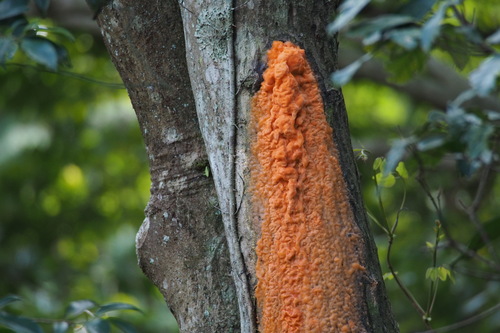
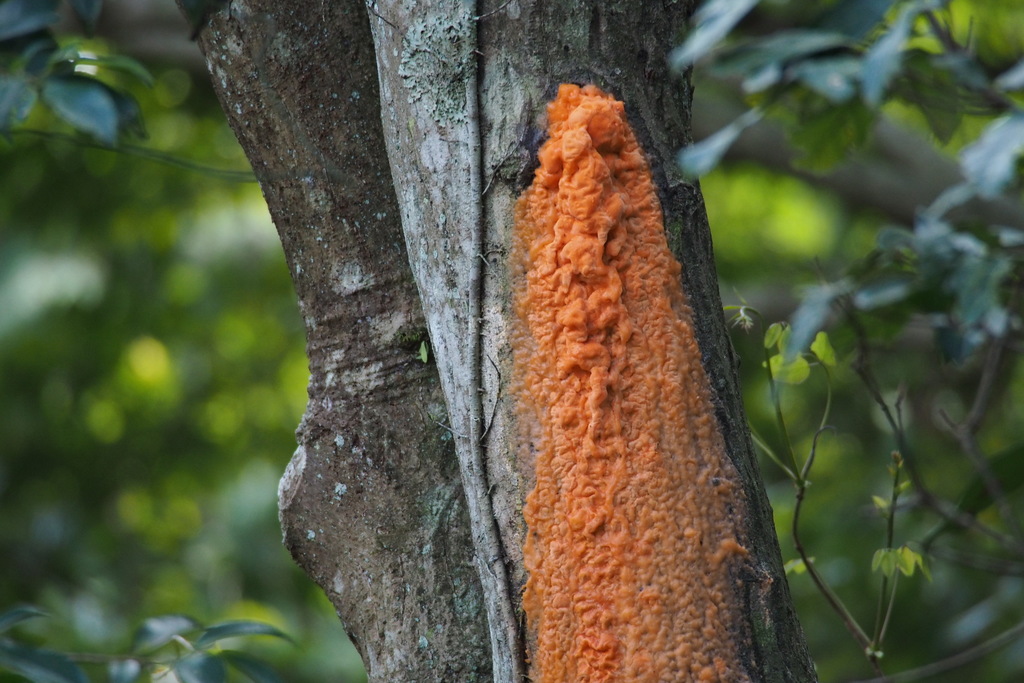
—observations
—countries
—peak records
Not EvaluatedConservation statusIUCN Red List categoriesLCNTVUENCREWEXNot Evaluated — not placed on the risk ladderRed List categories, explained →
Diet & preyTree sap sugars, Plant exudates, Dissolved organic carbon
Predators
- Fungivorous nematodes
- Springtails
- Oribatid mites
ThreatsDeforestation and clear-cutting of old-growth woodlands
HabitatsTree bark wounds, forest soils, plant litter, phyllosphere
Life spanIndefinite through asexual budding cycles
Classification
- FamilyCystofilobasidiaceae
- SpeciesCystofilobasidium macerans
Range data is not available yet.
Interaction riskLow
- Low
- Moderate
- High
- Very high
- Why interaction risk is low
- Many edible mushrooms have toxic look-alikes; never eat wild fungi based on app identification alone.
Responsible observation
- Locating colonies: Inspect moist, foaming sap oozing from deciduous tree wounds in early spring.
- Microscopic observation: Prepare a wet mount of sap exudate under 400x magnification to spot budding cells.
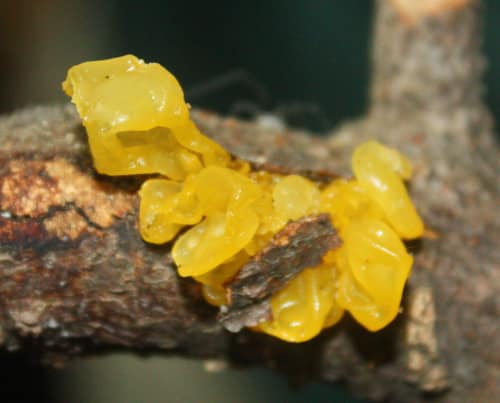
Same Class no rights reserved · cc0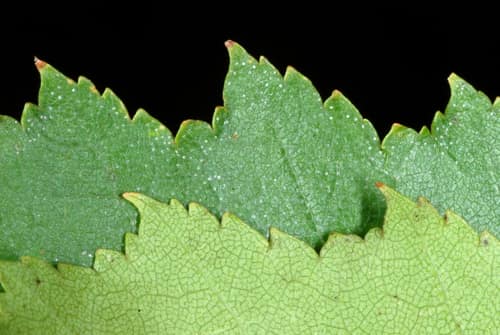
Host Plant (c) Douglas Goldman, some rights reserved (CC BY-SA), uploaded by Douglas Goldman · cc-by-sa Image unavailable
Close Relative
Help improve the field guideSomething wrong?
Checking your Fauna account…Report a name, category, or profile issue for review.