
Bird · GBIF taxon 7751637
Clapper Rail
Rallus crepitansAlso known as Marsh Hen, Saltmarsh Hen, Mud Hen
Clapper rails slip effortlessly through dense saltmarsh vegetation thanks to laterally compressed bodies that inspired the phrase 'thin as a rail.' Secretive by nature, they reveal their presence primarily through loud, accelerating bursts of clapping or clattering calls echoing across tidal flats at dusk. Pairs build woven cup nests suspended on marsh grass platforms, often adding a woven canopy to shield eggs and chicks from aerial predators and flooding spring tides.
SecretiveCoastalWetland
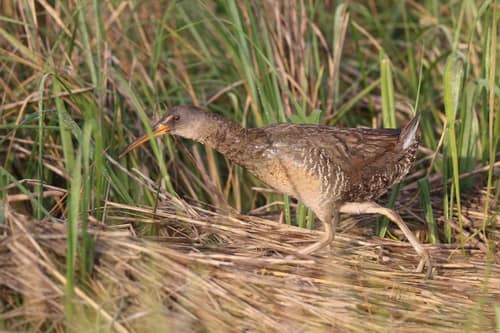
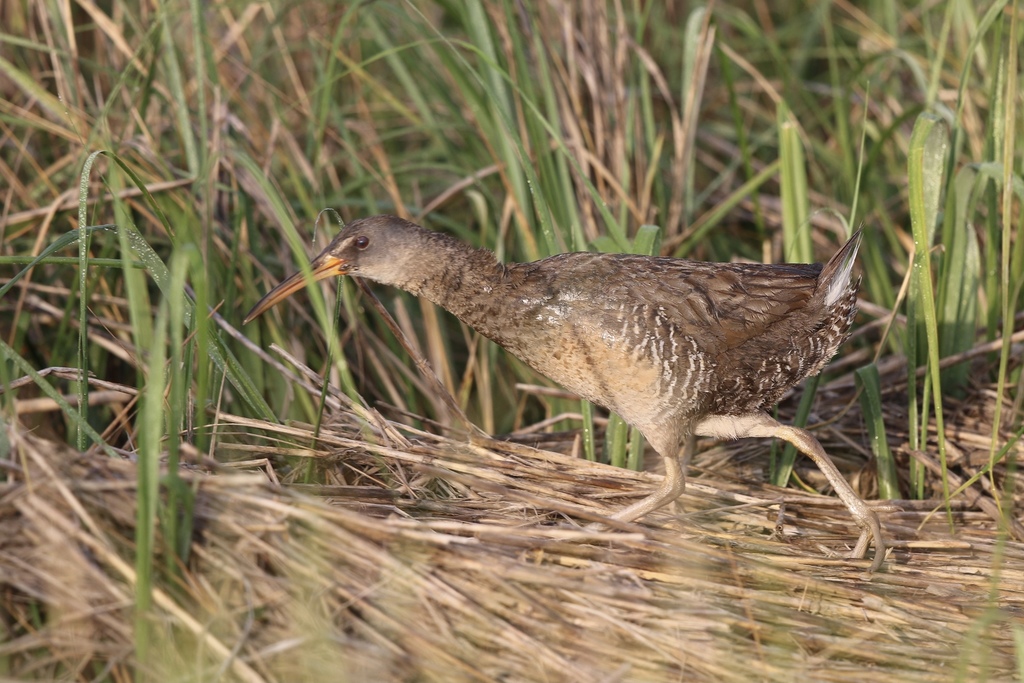
—observations
—countries
—peak records
Least ConcernConservation statusIUCN Red List categoriesLCNTVUENCREWEXLeast ConcernRed List categories, explained →
Diet & prey
- Sand Fiddler Crab
- Marsh Periwinkle
- Killifish
Predators
- Northern Harrier
- Raccoon
- Peregrine Falcon
ThreatsSea-level rise, coastal wetland development, tidal flooding, and pollution
HabitatsTidal saltmarshes, coastal brackish wetlands, and mangrove swamps
Life span5–8 years
Size / weightNot available
Classification
- OrderGruiformes
- FamilyRallidae
- GenusRallus
- SpeciesRallus crepitans
Range data is not available yet.
Interaction riskLow
- Low
- Moderate
- High
- Very high
- Why interaction risk is low
- Safe to observe at a normal distance.
Responsible observation
- Observation Timing: Watch tidal creek edges right at falling or low tide when rails venture into open mud to hunt.
- Listen Closely: Pinpoint individuals by their dry, clapping chorus, which frequently triggers neighboring pairs to respond.
- Marsh Preservation: Stay on boardwalks or viewing blinds to avoid trampling sensitive cordgrass and concealed nests.
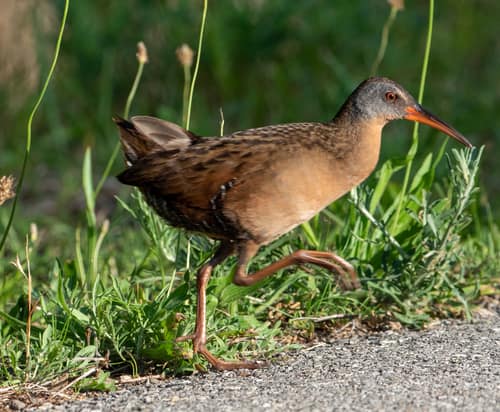
Same Genus (c) Forest Botial-Jarvis, some rights reserved (CC BY), uploaded by Forest Botial-Jarvis · cc-by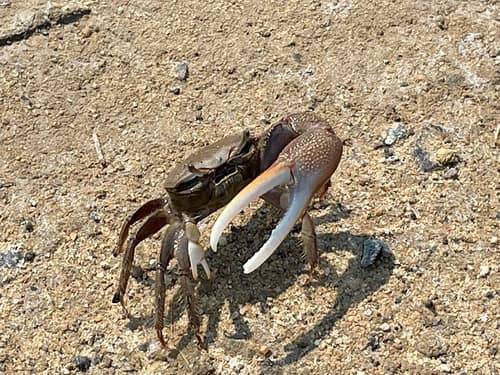
Prey "Fiddler Crab at Blackwater National Wildlife Refuge" by U. S. Fish and Wildlife Service - Northeast Region is marked with Public Domain Mark 1.0. To view the terms, visit https://creativecommons.org/publicdomain/mark/1.0/. · cc0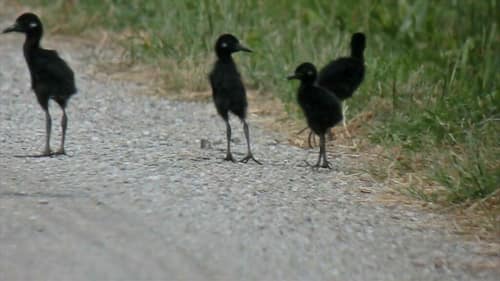
Close Relative (c) Andy Reago & Chrissy McClarren, some rights reserved (CC BY) · cc-by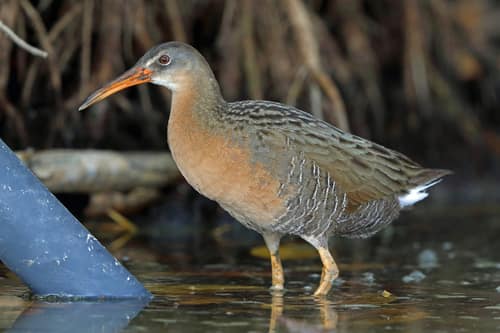
Close Relative (c) Nigel Voaden, some rights reserved (CC BY) · cc-by
Help improve the field guideSomething wrong?
Checking your Fauna account…Report a name, category, or profile issue for review.