
Fungus · GBIF taxon 7746130
Orange Sea Lichen
Caloplaca marinaAlso known as Maritime Sunburst Lichen, Orange Wall Lichen
Vibrant orange patches of orange sea lichen decorate coastal rocks just above the high tide line, forming a distinctive band in the littoral splash zone. This crustose lichen thrives in harsh marine environments exposed to salt spray, pounding waves, and intense sunlight. Its bright coloration stems from parietin, a protective pigment that shields the fungal and algal partners from ultraviolet radiation.
CrustoseCoastalOrange
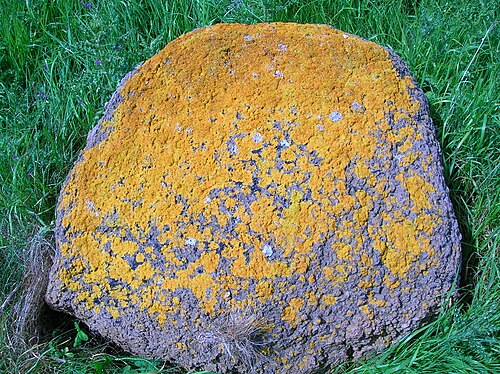
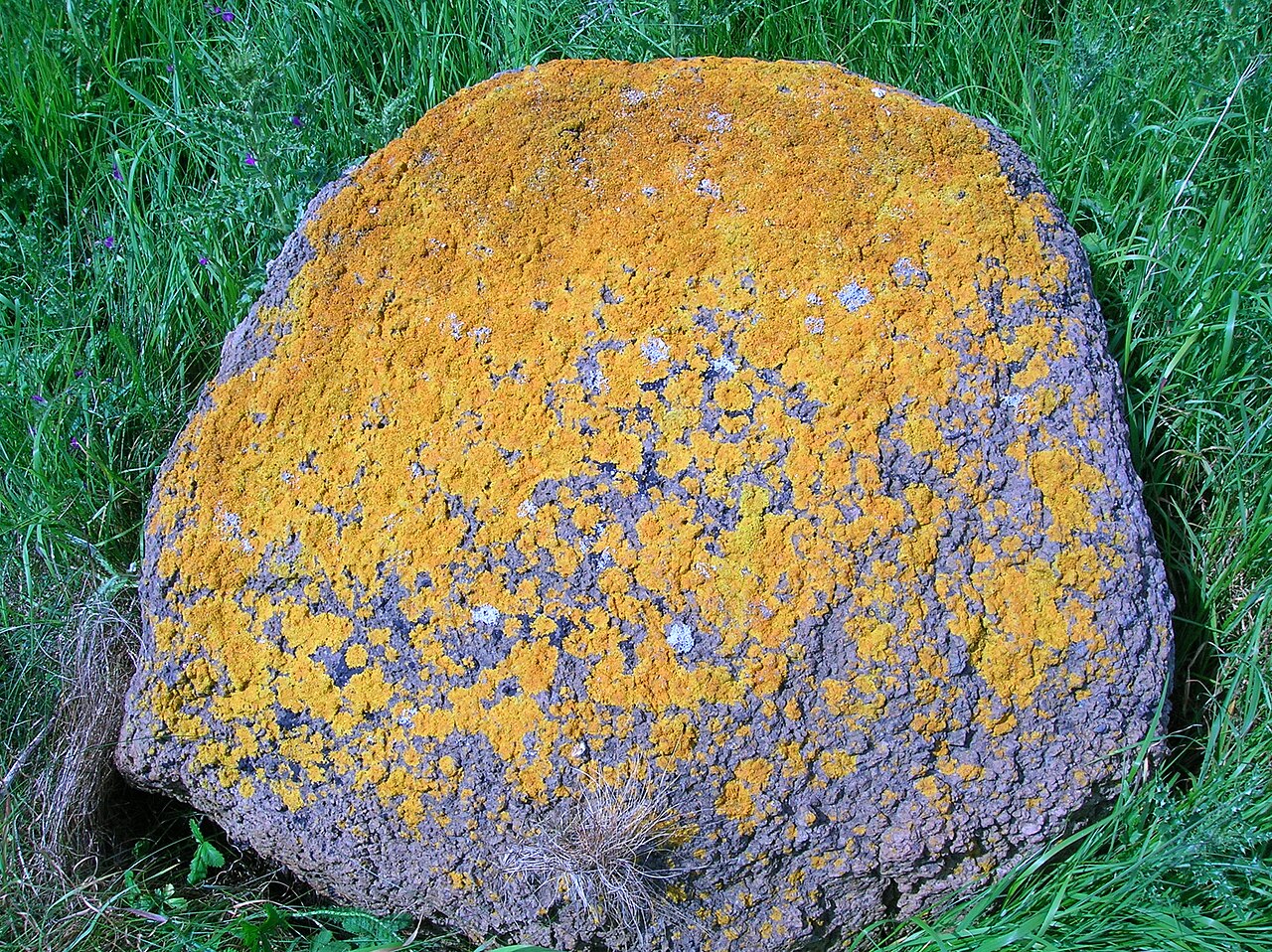
Licensed referenceRosser1954 Roger Griffith / Public domain · cc0
—observations
—countries
—peak records
Not EvaluatedConservation statusIUCN Red List categoriesLCNTVUENCREWEXNot Evaluated — not placed on the risk ladderRed List categories, explained →
Diet & prey
- Symbiotic photosynthesis (green alga photobiont)
Predators
- Marine snails
- Limpets
- Mites
ThreatsCoastal development, marine pollution, severe storm surges
HabitatsCoastal rocky shores, supralittoral splash zones, seawalls
Life spanDecades to over a century
Classification
- FamilyTeloschistaceae
- SpeciesCaloplaca marina
Range data is not available yet.
Interaction riskLow
- Low
- Moderate
- High
- Very high
- Why interaction risk is low
- Many wild fungi and lichens have toxic look-alikes; never eat wild species based on app identification alone.
Responsible observation
- Look above high tide: Search for bright orange crusts on supralittoral rocks just above the dark black lichen zone.
- Use a hand lens: Examine the tiny cup-like apothecia that release reproductive spores into maritime breezes.
- Respect shoreline habitat: Avoid scraping lichens off rocks as growth rates are extremely slow.
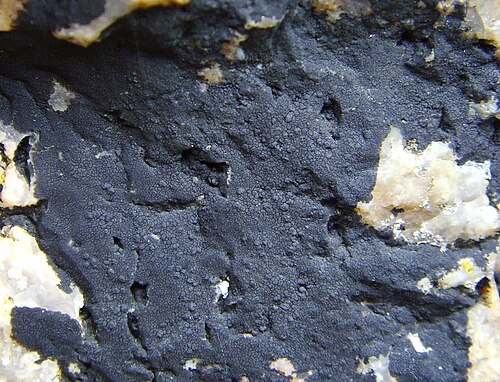
Zone Neighbor Jymm / Public domain · cc0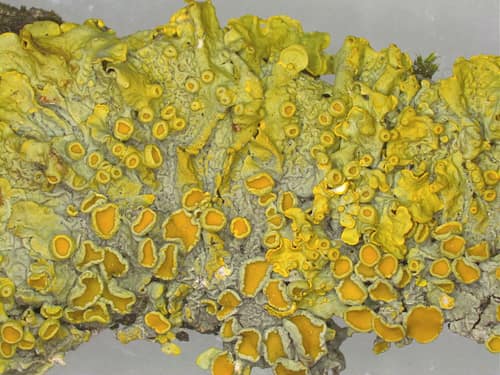
Close Relative (c) Donald Hobern, some rights reserved (CC BY) · cc-by Image unavailable
Close Relative
Help improve the field guideSomething wrong?
Checking your Fauna account…Report a name, category, or profile issue for review.