
Invertebrate
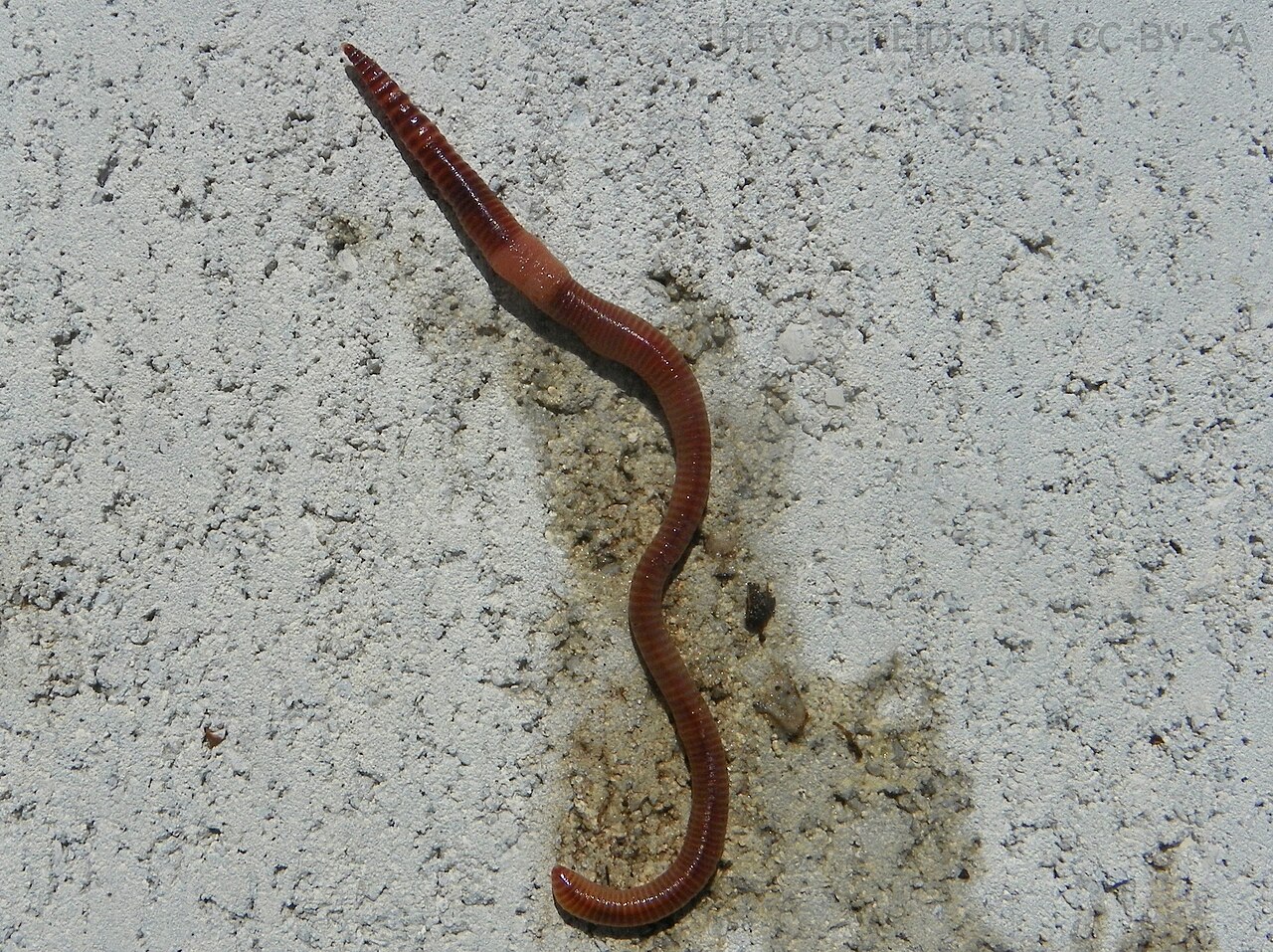
European Nightcrawler
Dendrobaena hortensisAlso known as Belgian Nightcrawler, Super Red, Blue Worm
European nightcrawlers thrive in rich leaf litter and compost, churning organic debris into nutrient-dense castings that nourish forest floors and garden beds alike. Unlike deeper-burrowing earthworms, they dwell in the upper organic horizons where moisture remains high and decaying matter is abundant. Their resilience across wide temperature and moisture variations has made them an essential soil engineer across Europe and in vermiculture systems worldwide.
SubterraneanDecomposerSoil Engineer

—observations
—countries
—peak records
Not EvaluatedConservation statusIUCN Red List categoriesLCNTVUENCREWEXNot Evaluated — not placed on the risk ladderRed List categories, explained →
Diet & preyDecaying Plant Material, Soil Fungi, Microbial Biofilms
Predators
- European Robin
- European Mole
- Ground Beetles
ThreatsPesticide application, severe soil desiccation, and heavy tillage
HabitatsDeciduous forest leaf litter, garden compost heaps, and damp organic soils
Life span1–2 years
Classification
- FamilyLumbricidae
- SpeciesDendrobaena hortensis
Range data is not available yet.
Interaction riskLow
- Low
- Moderate
- High
- Very high
- Why interaction risk is low
- Safe to observe at a normal distance.
Responsible observation
- Handling: Keep hands damp when touching them, as dry skin strips their protective mucus layer.
- Observation: Look under damp logs, rotting bark, or compost piles during cool, humid mornings.

Same Family (c) Steve Kerr, some rights reserved (CC BY), uploaded by Steve Kerr · cc-by
Same Family (c) alicia penney, some rights reserved (CC BY), uploaded by alicia penney · cc-by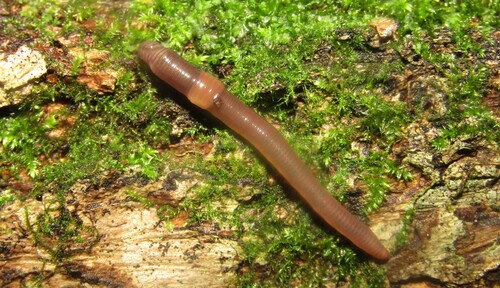
Close Relative (c) snaily_naily, certains droits réservés (CC BY), publiées par snaily_naily · cc-by
Help improve the field guideSomething wrong?
Checking your Fauna account…Report a name, category, or profile issue for review.