
Mammal · GBIF taxon 7705930
Wild Boar
Sus scrofaAlso known as Wild Pig, Eurasian Wild Pig
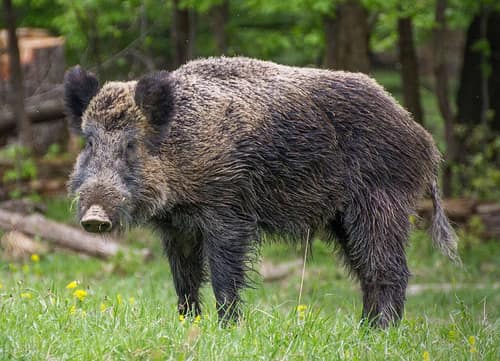
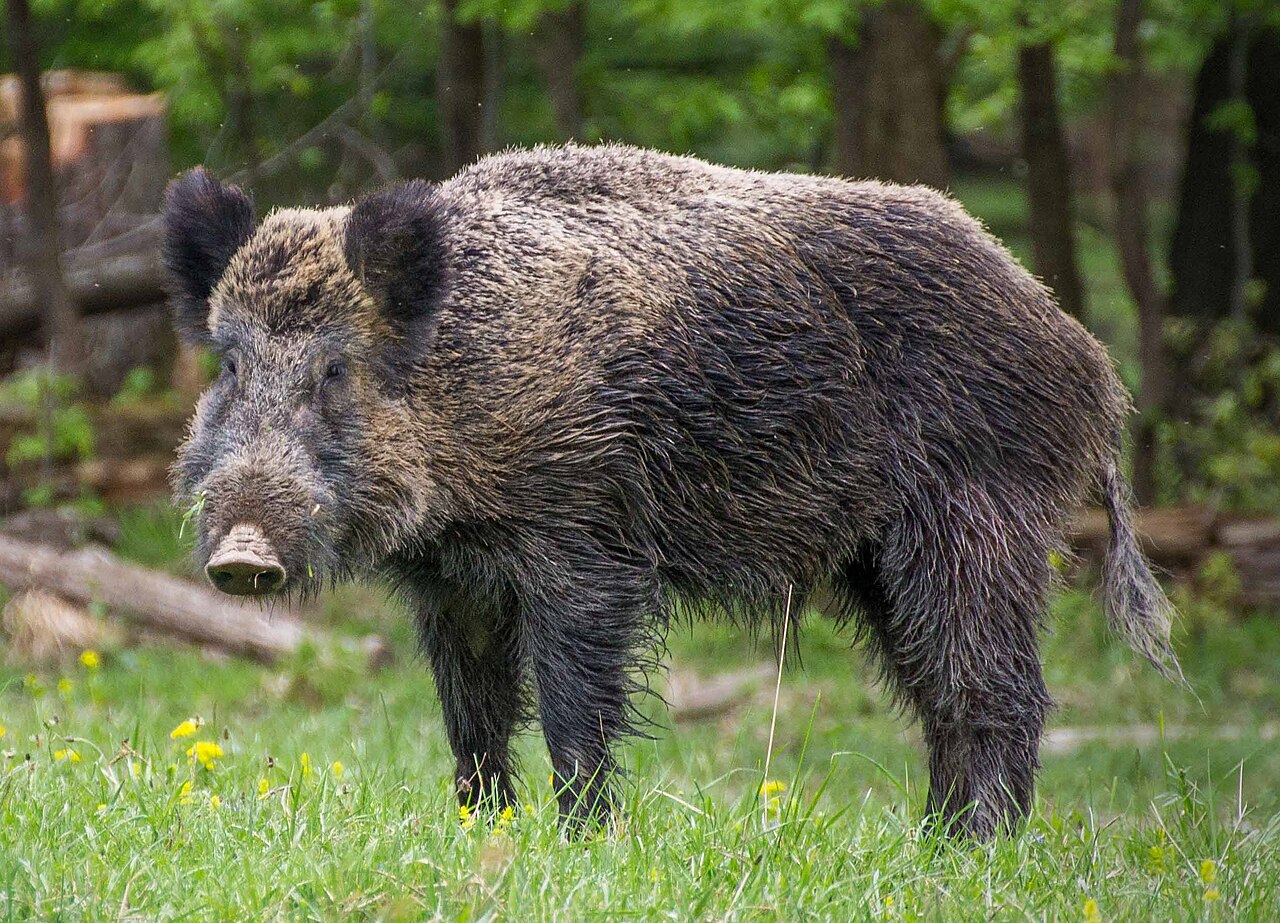
Wild Boars are powerful, heavy-bodied pigs with coarse bristled coats, wedge-shaped heads, and prominent tusks in mature animals. They root through soil for food and may travel in female-led groups, while adult males are often solitary.
wild pigground foragerlarge mammal
—observations
—countries
—peak records
Least ConcernConservation statusIUCN Red List categoriesLCNTVUENCREWEXLeast ConcernRed List categories, explained →
Diet & prey
- insects
- ground-nesting animals
- small vertebrates
Predators
- wolves
- large cats
- humans
ThreatsHunting, disease outbreaks, road collisions, habitat loss, and conflict-driven control
HabitatsForest, scrub, wetlands, grassland, farmland, and dense cover near water
Life spanOften four to eight years in the wild, with some individuals living longer
Size / weightNot available
Classification
- OrderArtiodactyla
- FamilySuidae
- GenusSus
- SpeciesSus scrofa
Native Introduced
Native range in olive; established introduced range in rust.
Interaction riskHigh
- Low
- Moderate
- High
- Very high
- Why interaction risk is high
- A cornered boar can charge and slash with tusks, especially near young or food.
- Why it is dangerous
- A startled or cornered boar can charge rapidly and inflict deep tusk wounds or crushing injury.
- How to recognize a risky encounter
- Recognize a stocky bristled pig with a long wedge-shaped head and visible tusks in many adults.
- What to do
- Never approach or attempt capture; back away without running and seek solid shelter if threatened.
Responsible observation
- Observe: Keep a long escape route and never stand between animals and dense cover.
- Avoid: Do not feed, follow, surprise, or approach a group with piglets.
Keep collecting in Fauna
Found in Collections
Species set Pro
Farm Friends
Wild Boar is found in this collection. Identify it in Fauna to fill this slot and continue your progress.
Unlock to track progress
Help improve the field guideSomething wrong?
Checking your Fauna account…Report a name, category, or profile issue for review.