
Reptile · GBIF taxon 7704598
Desert Tortoise
Gopherus morafkaiAlso known as Morafka's Desert Tortoise, Sonoran Desert Tortoise
Sonoran desert tortoises spend over ninety percent of their lives underground in soil or rock burrows to survive extreme temperature swings. Summer monsoon rains prompt them to emerge, drinking from rain pools and feeding intensely on native grasses, cactus fruit, and desert wildflowers. Females lay clutches of hard-shelled eggs in shallow earthen nests, relying on ambient heat to incubate the hatchlings.
DesertReptileHerbivore

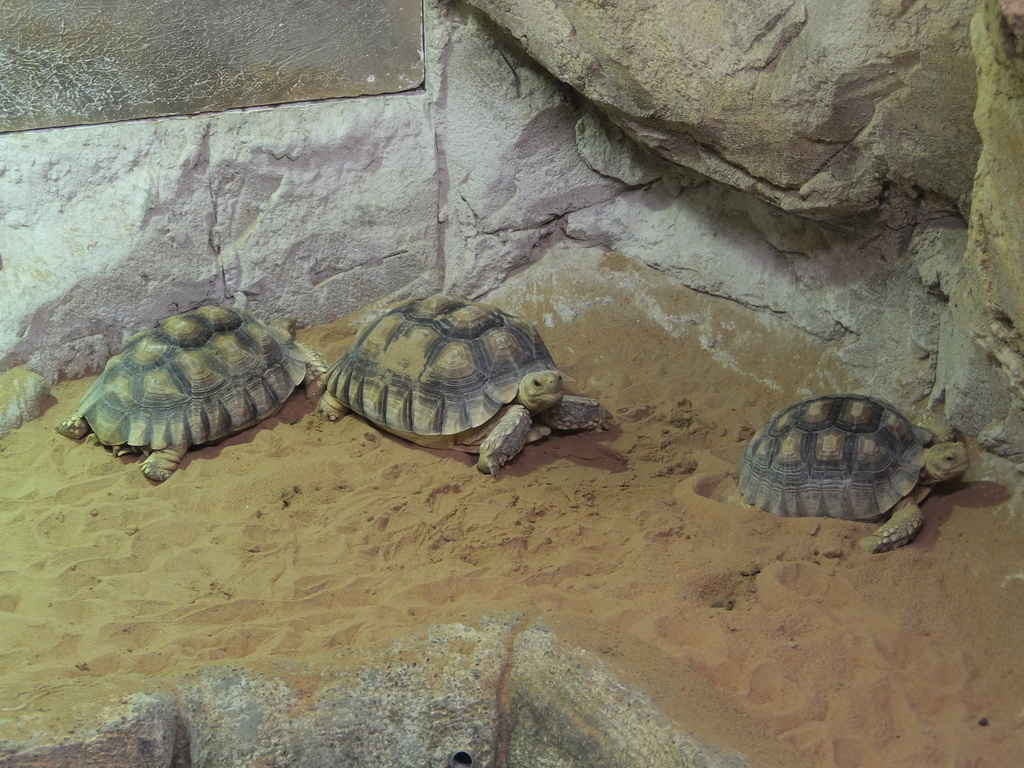
—observations
—countries
—peak records
VulnerableConservation statusIUCN Red List categoriesLCNTVUENCREWEXVulnerableRed List categories, explained →
Diet & prey
- Native Grasses
- Prickly Pear Cacti
- Desert Wildflowers
Predators
- Coyotes
- Common Ravens
- Bobcats
ThreatsHabitat loss, road mortality, respiratory disease, invasive plants
HabitatsSonoran Desert scrub, rocky slopes, desert washes
Life span50–80 years
Size / weightNot available
Classification
- FamilyTestudinidae
- SpeciesGopherus morafkai
Range data is not available yet.
Interaction riskLow
- Low
- Moderate
- High
- Very high
- Why interaction risk is low
- Safe to observe at a normal distance; avoid touching or lifting.
- What to notice
- Recognizable by its high domed, brown carapace and stocky columnar legs in rocky desert slopes.
- Support conservation
- Maintain a respectful distance and avoid causing stress that forces the tortoise to empty its water reserves.
Responsible observation
- Distance: Observe quietly from several meters away without blocking its path or casting sudden shadows.
- Handling Caution: Never lift wild tortoises because fear causes them to void saved water reserves, leading to dehydration.
- Road Hazard: If safe to assist off roads, lift gently low to the ground and move in the direction it was heading.
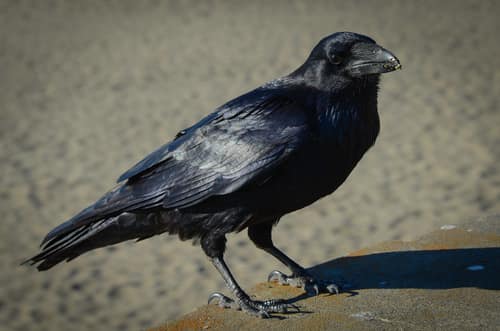
Predator "Common Raven (Corvus corax)" by Franco Folini is licensed under CC BY-SA 2.0. To view a copy of this license, visit https://creativecommons.org/licenses/by-sa/2.0/. · cc-by-sa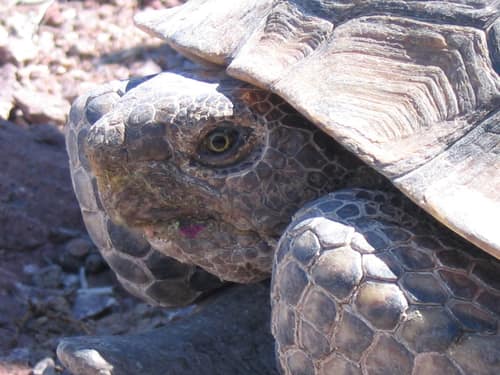
Close Relative (c) Pacific Southwest Region USFWS, some rights reserved (CC BY) · cc-by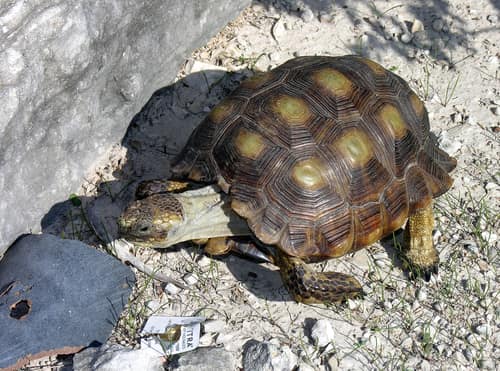
Close Relative (c) Clinton & Charles Robertson, some rights reserved (CC BY-SA) · cc-by-sa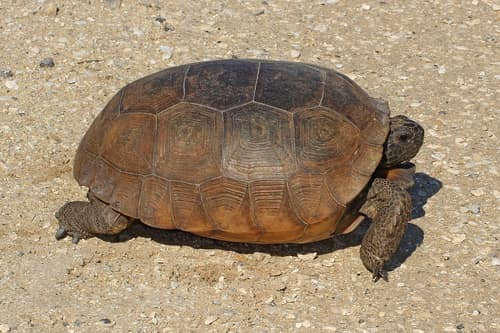
Close Relative Judy Gallagher / CC BY 2.0 · cc-by
Help improve the field guideSomething wrong?
Checking your Fauna account…Report a name, category, or profile issue for review.