
Reptile · GBIF taxon 7696021
Aldabra Giant Tortoise
Aldabrachelys giganteaAlso known as Aldabra Tortoise, Seychelles Giant Tortoise
Aldabra giant tortoises are massive herbivores that shape island ecosystems through heavy grazing, seed dispersal, and trampling vegetation into open meadows. These long-lived reptiles gather in large herds around freshwater pools during hot afternoons and extend their elongated necks high into shrubs to reach browse. Their remarkable resilience allows them to thrive on rugged coral atolls where few other large land animals can survive.
GiantReptileLong-Lived
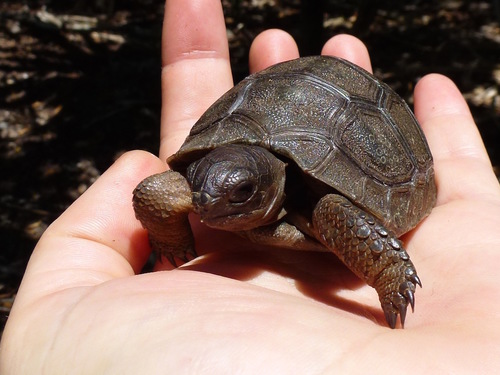
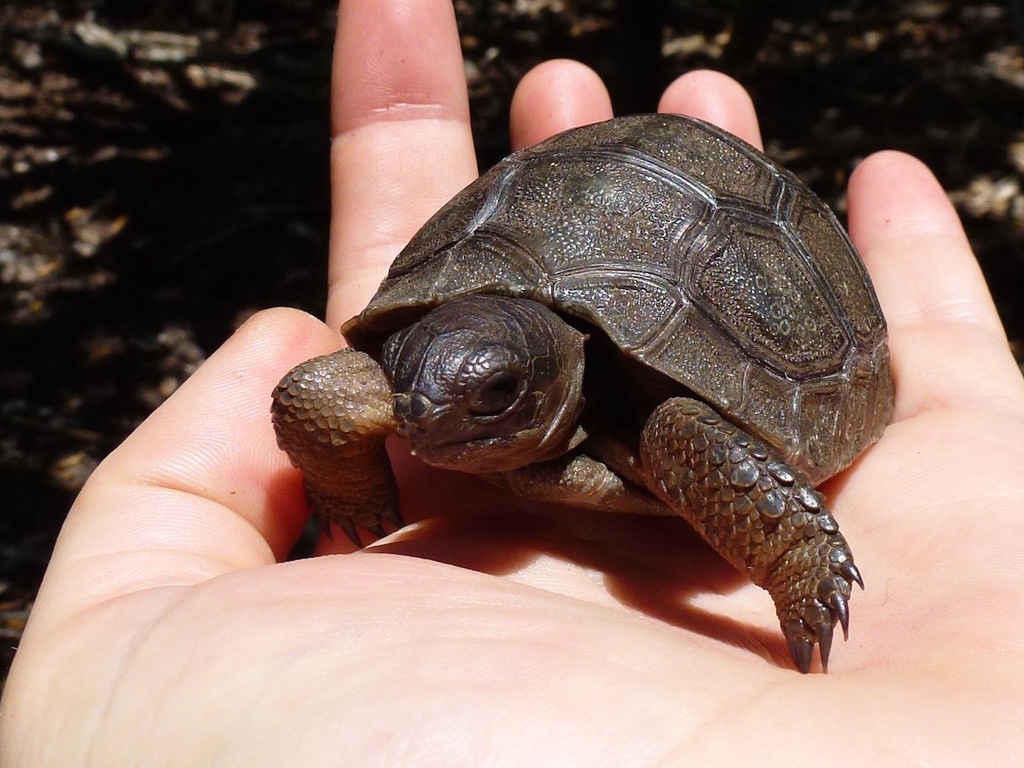 1 / 7
1 / 7—observations
—countries
—peak records
VulnerableConservation statusIUCN Red List categoriesLCNTVUENCREWEXVulnerableRed List categories, explained →
Diet & prey
- Grasses
- Sedges
- Fallen Fruit
Predators
- Feral Cats
- Feral Pigs
- Rats
ThreatsSea-level rise, climate change, invasive nest predators, habitat loss
HabitatsCoastal scrub, grasslands, mangrove edges, island inland clearings
Life span80–150+ years
Size / weightNot available
Classification
- FamilyTestudinidae
- GenusAldabrachelys
- SpeciesAldabrachelys gigantea
Range data is not available yet.
Interaction riskHigh
- Low
- Moderate
- High
- Very high
- Why interaction risk is high
- Heavy and powerful; maintain a respectful distance and avoid touching or feeding them.
- Why it is dangerous
- Their massive body weight can inflict crush injuries and their horn-rimmed jaws deliver powerful bites when cornered or fed.
- How to recognize a risky encounter
- Look for a massive dark grey or black high-domed shell supported by sturdy, elephantine legs.
- What to do
- Keep a distance of several meters, avoid stepping into their movement path, and never offer food by hand.
- What to notice
- Recognize them by their massive grey carapace and unusually flexible, long neck used for high browsing.
- Support conservation
- Remain on established eco-tour paths and refrain from touching or crowding wild individuals.
Responsible observation
- Give Space: Allow these massive reptiles ample room to move without blocking their path.
- Do Not Feed: Hand-feeding creates habituation and increases the risk of accidental bites.
- Watch Your Step: Stay alert on trail edges where hatchlings and fragile nests may be hidden.
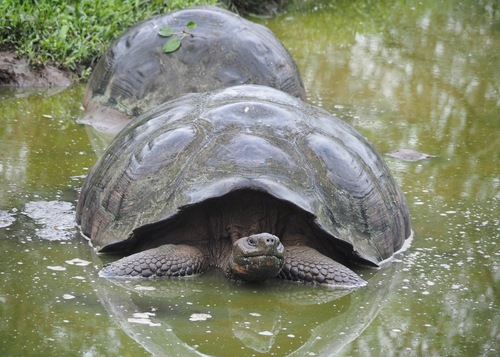
Close Relative (c) John G. Phillips, some rights reserved (CC BY), uploaded by John G. Phillips · cc-by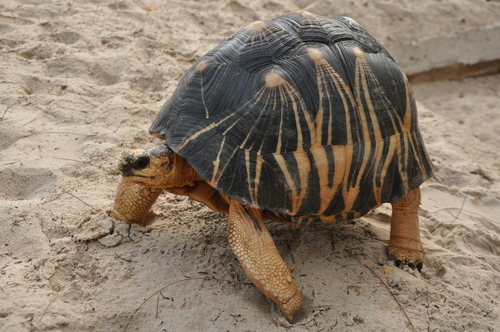
Family Member (c) Josip Skejo, some rights reserved (CC BY), uploaded by Josip Skejo · cc-by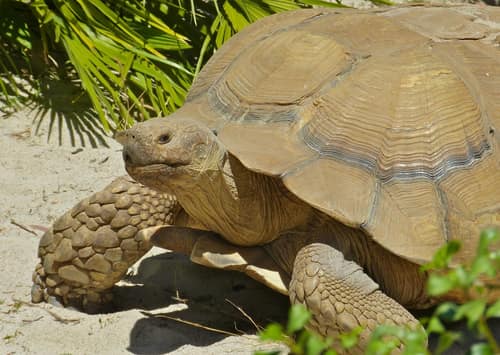
Family Member (c) Bernard DUPONT, some rights reserved (CC BY-SA) · cc-by-sa
Help improve the field guideSomething wrong?
Checking your Fauna account…Report a name, category, or profile issue for review.