
Invertebrate
Blepharisma japonicum
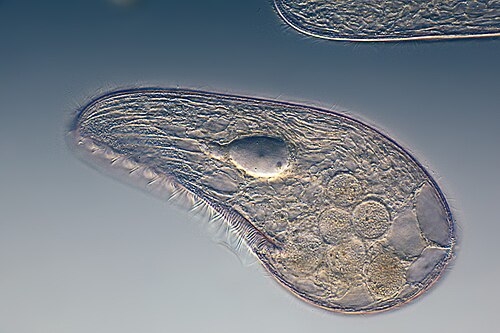
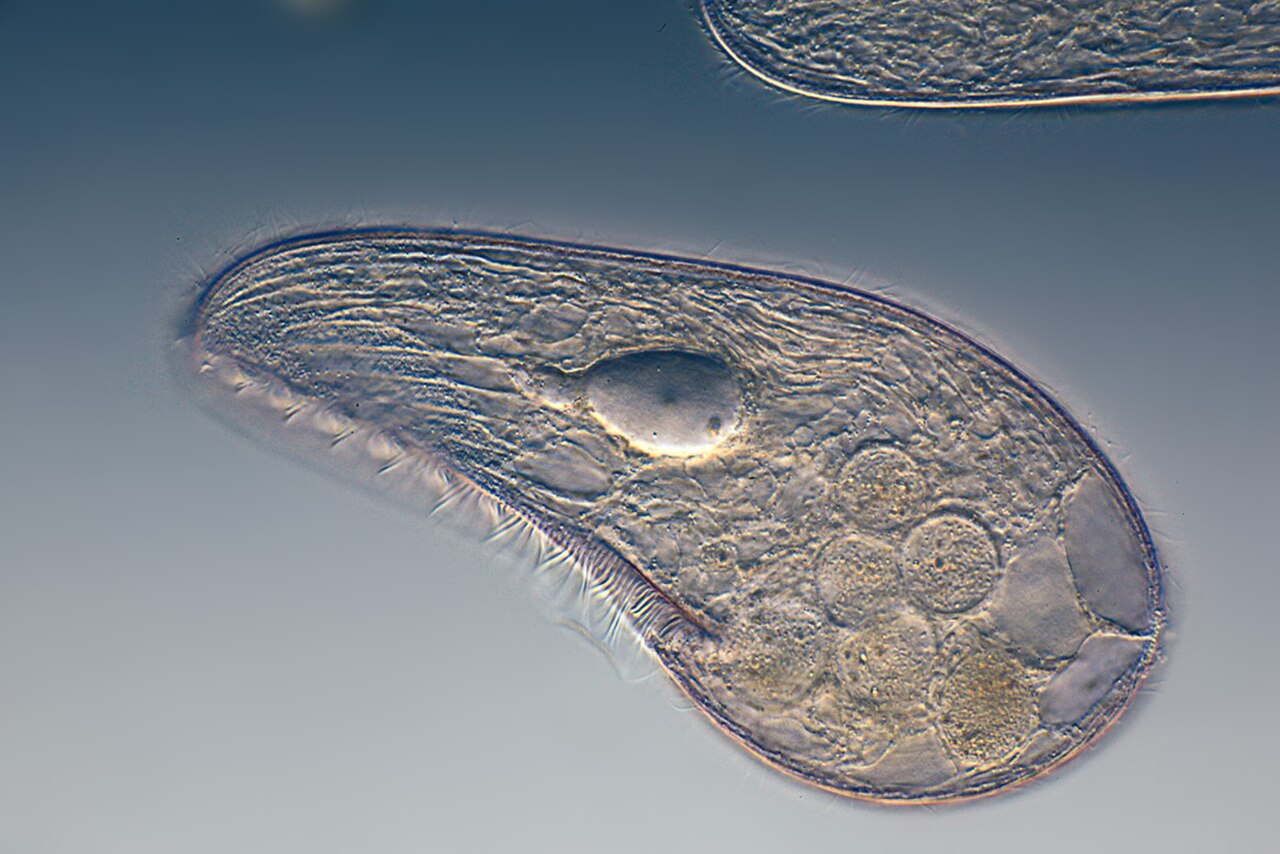
Blepharisma japonicumBlepharisma japonicum is a single-celled ciliate renowned for its distinctive pink to reddish hue, produced by the light-sensitive pigment blepharismin. It glides through fresh water and moist soil using coordinated rows of cilia, filtering bacteria and organic detritus into its oral groove. When exposed to intense light, the pigment reacts photodynamically, prompting the cell to actively swim into dark, shaded microhabitats.
MicroscopicFreshwaterCiliate
—observations
—countries
—peak records
Not EvaluatedConservation statusIUCN Red List categoriesLCNTVUENCREWEXNot Evaluated — not placed on the risk ladderRed List categories, explained →
Diet & preyBacteria, Unicellular green algae, Small flagellates
Predators
- Didinium nasutum
- Amoeba proteus
- Freshwater rotifers
ThreatsChemical water pollution, desiccation, and heavy UV exposure
HabitatsStagnant freshwater ponds, decaying leaf litter, and damp soil
Life spanSeveral days to weeks per binary fission cycle
Classification
- OrderHeterotrichida
- FamilySpirostomidae
- GenusBlepharisma
- SpeciesBlepharisma japonicum
Range data is not available yet.
Interaction riskLow
- Low
- Moderate
- High
- Very high
- Why interaction risk is low
- Safe to observe at a normal distance.
Responsible observation
- Microscope Observation: Use darkfield or low-intensity brightfield illumination, as strong light triggers phototoxic stress in live specimens.
- Sample Collection: Collect decaying organic sediment and pond margins into clean glass jars to culture populations.
- Motility Tracking: Slow down their rapid swimming under glass slides by adding a drop of methyl cellulose or dilute gelatin.
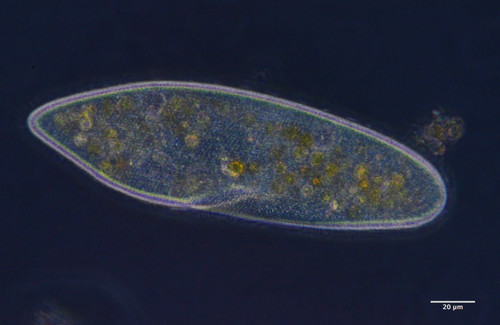
Competitor (c) Don Loarie, some rights reserved (CC BY) · cc-by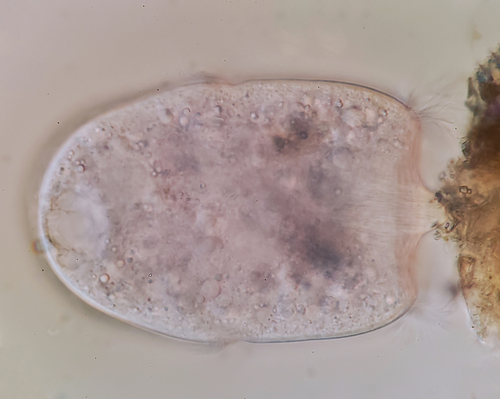
Predator žiadne práva vyhradené, uploaded by David Bird · cc0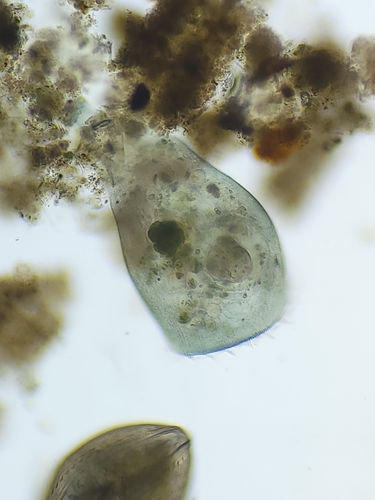
Same Class no rights reserved · cc0 Image unavailable
Close Relative Same Family
Help improve the field guideSomething wrong?
Checking your Fauna account…Report a name, category, or profile issue for review.