Also known as Japanese Anemone, Hybrid Japanese Anemone, Windflower
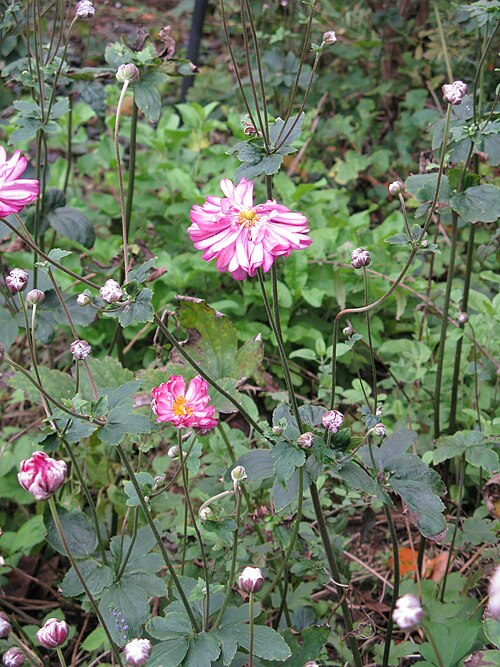
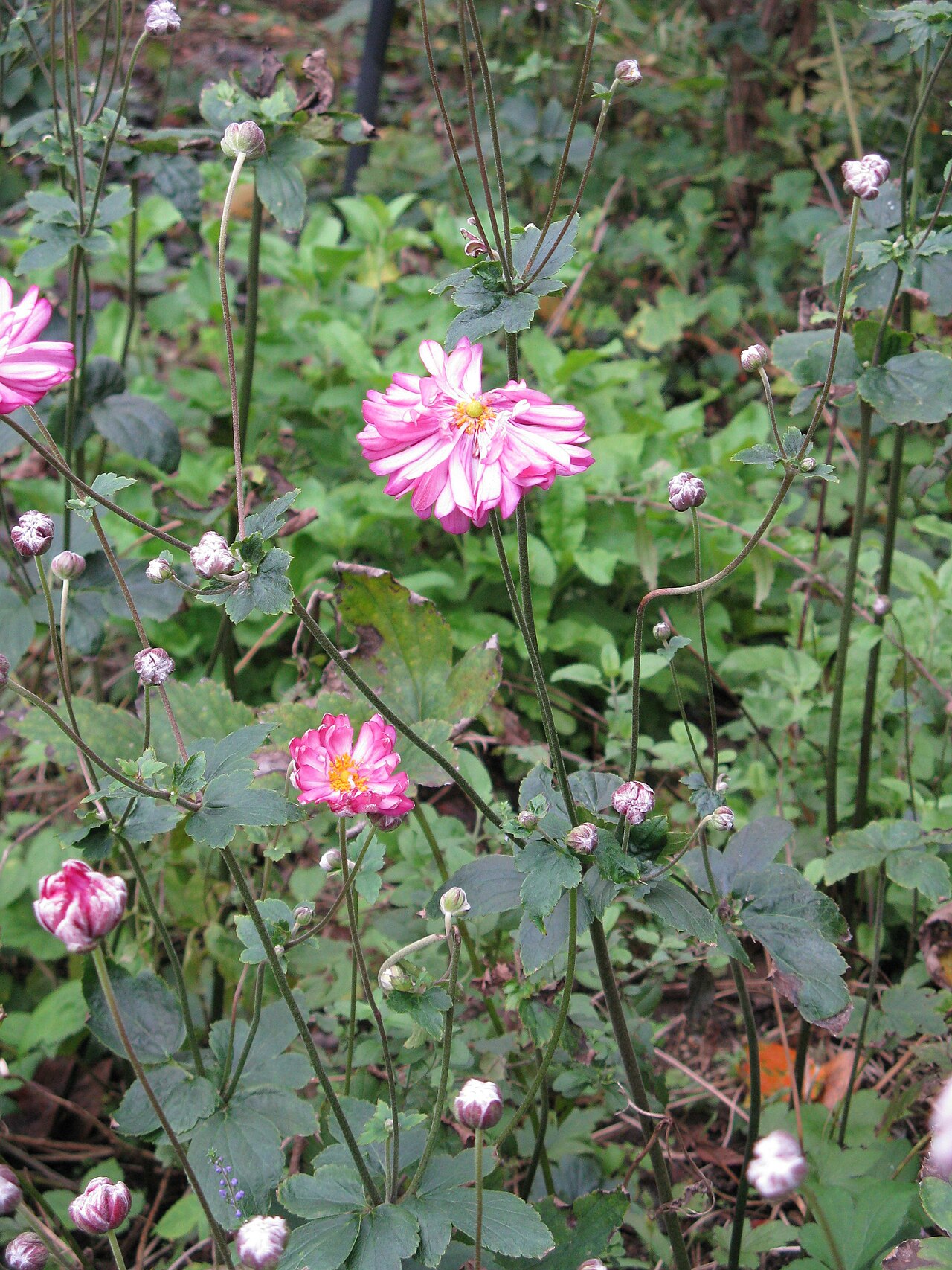
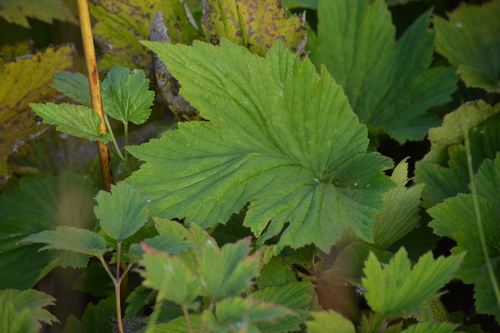
Japanese anemone hybrids grace temperate gardens in late summer and autumn, producing luminous pink to white saucers of petals above deep green, palmate foliage. Arising from a cross between Eriocapitella japonica and Eriocapitella vitifolia, these vigorous perennials spread steadily through creeping fibrous rhizomes to form broad colonies. Their elegant, nodding flower buds sway on tall, slender stems that resist autumn wind and provide valuable nectar to late-season pollinators.
Not EvaluatedConservation statusIUCN Red List categoriesLCNTVUENCREWEXNot Evaluated — not placed on the risk ladderRed List categories, explained →
Key facts
Diet & prey
Autotrophic (photosynthetic)
ThreatsFoliar nematodes, powdery mildew, and root rot in waterlogged soils
HabitatsCultivated gardens, woodland edges, and naturalized borders in temperate regions
Life spanPerennial (10 or more years)
Classification
OrderRanunculales
FamilyRanunculaceae
GenusAnemone
SpeciesAnemone hybrida
Range & activity
Range data is not available yet.
Safe observation
Interaction riskHigh
Low
Moderate
High
Very high
Why interaction risk is high
Contains ranunculin which releases irritating protoanemonin; wear gloves to handle sap and avoid ingestion.
Why it is dangerous
Tissues contain the glycoside ranunculin, which enzymatic breakdown turns into caustic protoanemonin, causing severe mouth irritation, vomiting, and skin blistering.
How to recognize a risky encounter
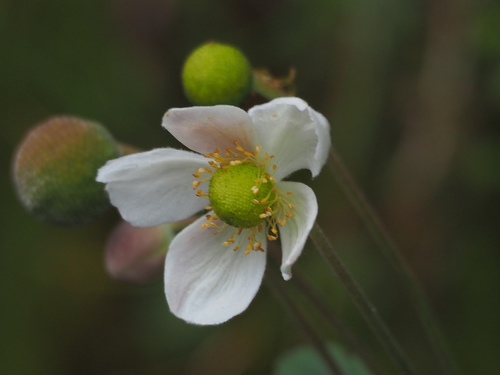
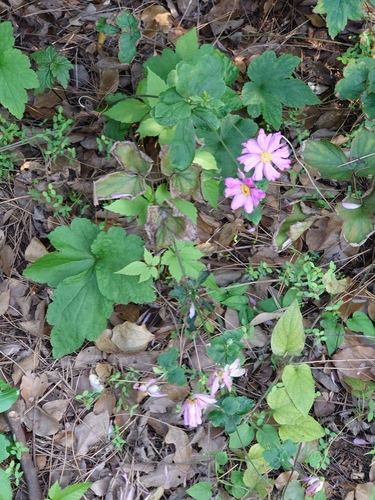
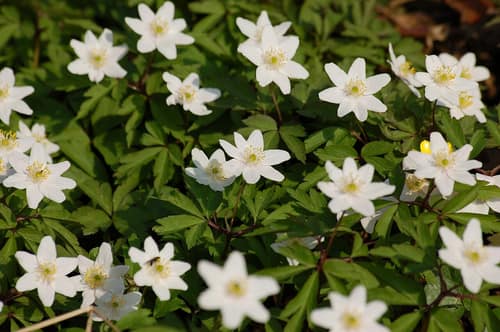
Look for fibrous-rooted perennials bearing three-lobed leaves and 5 to 8 centimeters wide pink or white flowers with prominent yellow centers.
What to do
Wear protective gardening gloves when cutting back stems or dividing roots to prevent contact dermatitis.
Responsible observation
Garden Placement: Plant in moist, humus-rich soil in partial shade sheltered from harsh winter winds.
Colony Control: Dig around the perimeter in spring to sever spreading root suckers if clumps outgrow bounds.
Winter Care: Leave dried seed heads standing until early spring to shelter dormant roots and provide texture.