
Plant
Lemon
Citrus limonAlso known as Lemon Tree
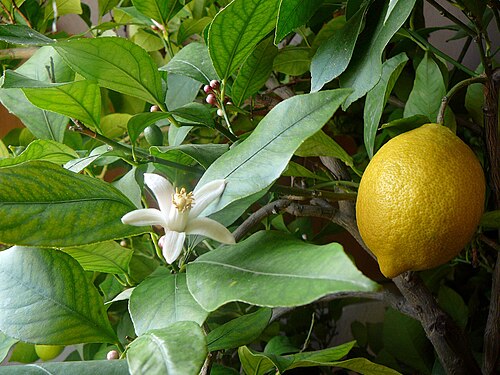
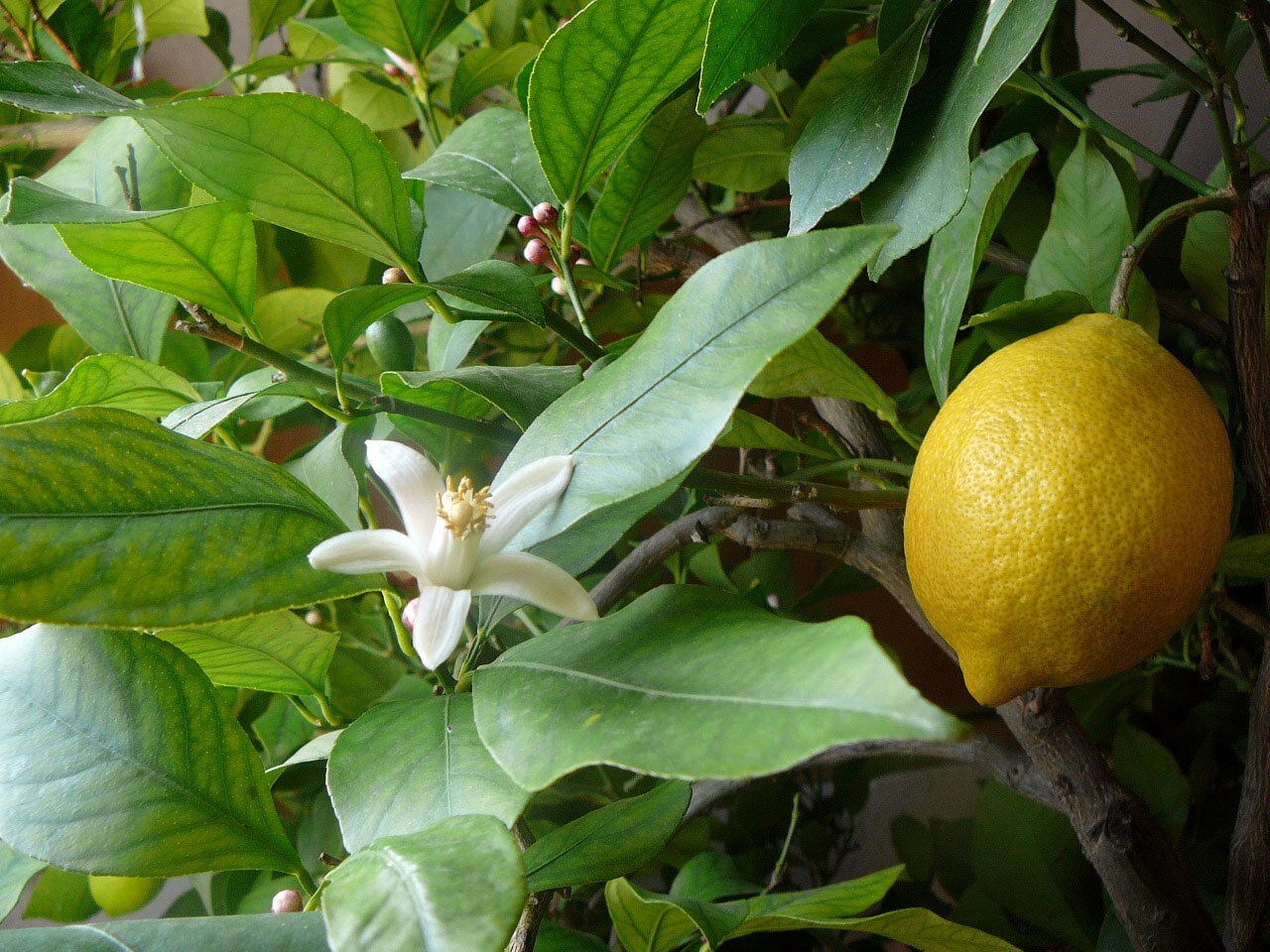
Lemon trees are compact, thorny evergreens prized globally for their highly fragrant white blossoms and acidic, glossy yellow fruits. Flowers and fruit often appear simultaneously on the same tree throughout the year, supported by aromatic leaves that release a sharp citrus scent when bruised. Deeply integrated into worldwide horticulture, these trees thrive in sunny, frost-free subtropical environments.
EvergreenFragrantAromatic
—observations
—countries
—peak records
Not EvaluatedConservation statusIUCN Red List categoriesLCNTVUENCREWEXNot Evaluated — not placed on the risk ladderRed List categories, explained →
Diet & preySunlight, Water, Soil Nutrients
Predators
- Citrus Leafminer
- Scale Insects
- Swallowtail Caterpillars
ThreatsCitrus greening disease (Huanglongbing), severe frost, scale insects, citrus leafminer
HabitatsSubtropical orchards, Mediterranean scrublands, coastal valleys, home gardens
Life span50–100 years
Classification
- OrderSapindales
- FamilyRutaceae
- GenusCitrus
- SpeciesCitrus limon
Range data is not available yet.
Interaction riskHigh
- Low
- Moderate
- High
- Very high
- Why interaction risk is high
- Non-toxic to people but toxic to dogs and cats if ingested; keep away from pets.
Responsible observation
- Observation: Look for delicate white blossoms growing alongside mature fruit year round.
- Care: Protect young trees from freezing temperatures and ensure well-draining soil.
- Handling: Mind the sharp thorns located along lower branches during pruning.
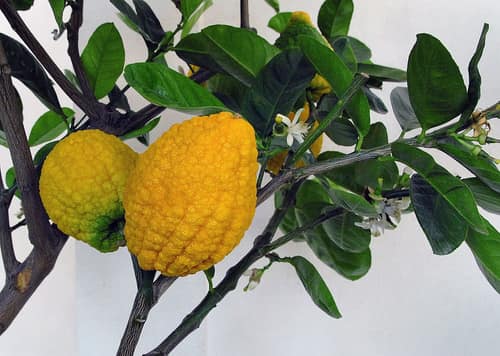
Parent Species Johann Werfring / CC BY-SA 3.0 · cc-by-sa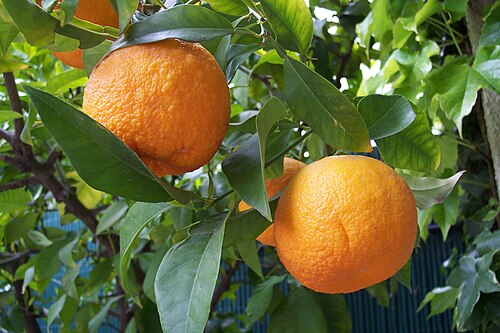
Parent Species A. Barra / CC BY-SA 4.0 · cc-by-sa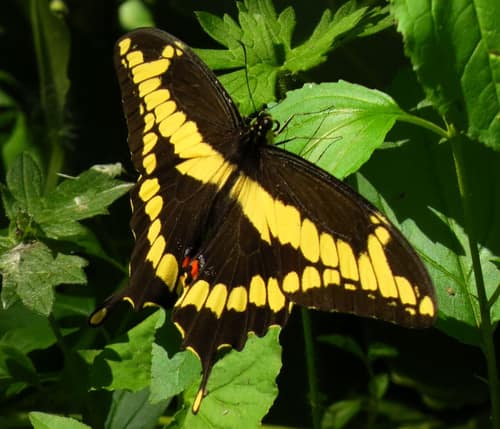
Larval Host D. Gordon E. Robertson / CC BY-SA 3.0 · cc-by-sa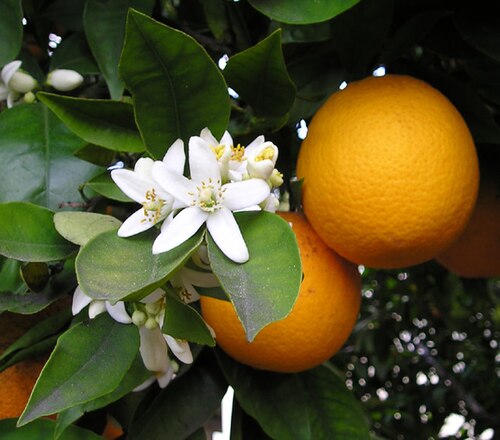
Close Relative Ellen Levy Finch (Elf) / CC BY-SA 3.0 · cc-by-sa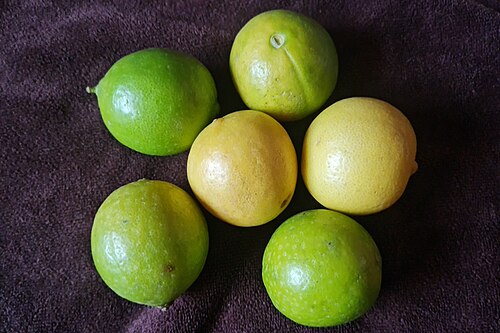
Close Relative Dinesh Valke from Thane, India / CC BY-SA 2.0 · cc-by-sa
Help improve the field guideSomething wrong?
Checking your Fauna account…Report a name, category, or profile issue for review.