
Plant
English Elm
Ulmus proceraAlso known as Common Elm, Horse May, Atinian Elm, Atinia Elm
English elms once defined the British landscape with magnificent towering canopies and deeply furrowed bark. Because trees propagate almost exclusively through genetically identical root suckers, entire hedgerows shared identical susceptibility to Dutch elm disease in the late twentieth century. Today, most mature specimens have perished, but the species persists in hedgerows as young shoots constantly regenerating from ancient underground root systems.
DeciduousTreeHistoric
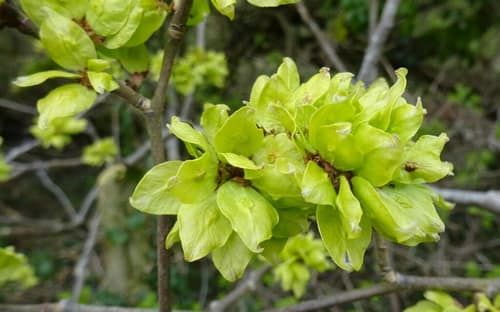
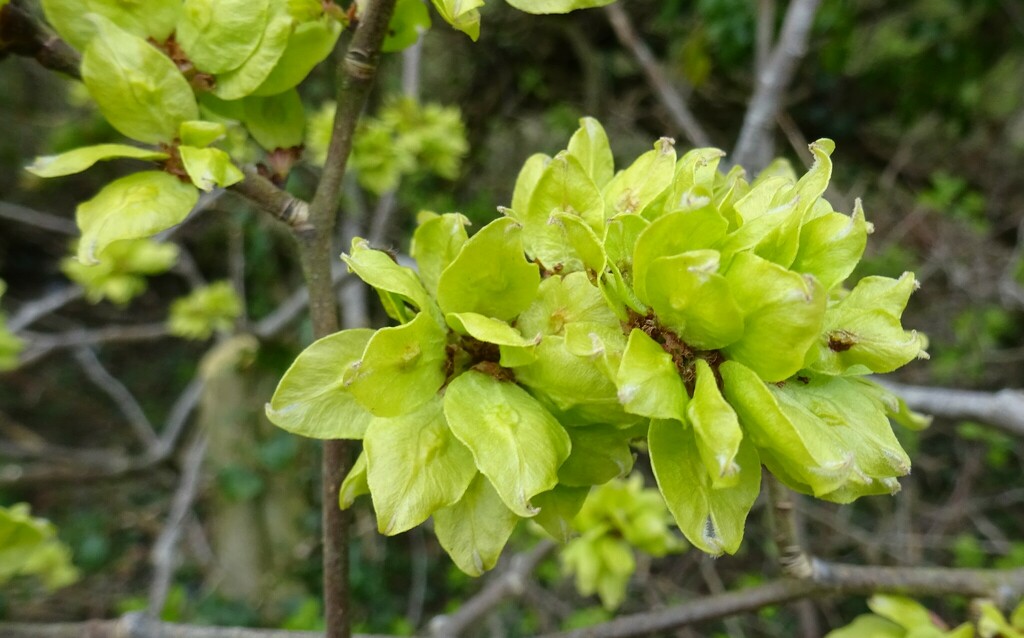
—observations
—countries
—peak records
Data DeficientConservation statusIUCN Red List categoriesLCNTVUENCREWEXData Deficient — not placed on the risk ladderRed List categories, explained →
Diet & preyAutotrophic
Predators
- Smaller European elm bark beetle
- Elm leaf beetle
- Lepidoptera larvae
ThreatsDutch elm disease, habitat loss
HabitatsHedgerows, floodplains, woodlands, parklands
Life span100–300 years
Classification
- OrderRosales
- FamilyUlmaceae
- GenusUlmus
- SpeciesUlmus procera
Range data is not available yet.
Interaction riskLow
- Low
- Moderate
- High
- Very high
- Why interaction risk is low
- Safe to observe at a normal distance.
- What to notice
- Recognized by deeply furrowed dark bark, asymmetrical leaf bases, and dense suckering shoots along field boundaries.
- Support conservation
- Avoid cutting young root suckers or transporting untreated elm firewood, which spreads beetle vectors of fungal disease.
Responsible observation
- Leaf Identification: Look for small, rounded leaves with markedly asymmetrical bases and sharp double-toothed margins.
- Hedgerow Spotting: Watch for low shrubby growth along rural field margins, which often represents clone suckers of old trees.
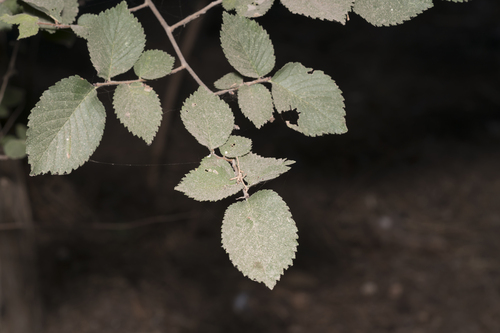
Parent Taxon (c) Eleftherios Katsillis, some rights reserved (CC BY), uploaded by Eleftherios Katsillis · cc-by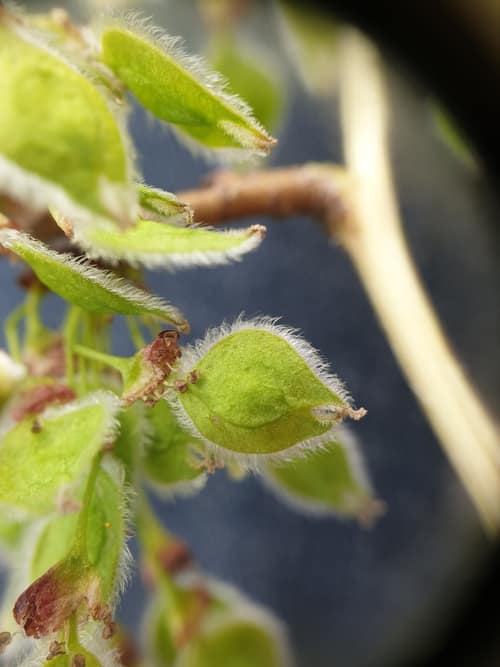
North American Kin no rights reserved, uploaded by Étienne Lacroix-Carignan · cc0 Image unavailable
Disease Vector 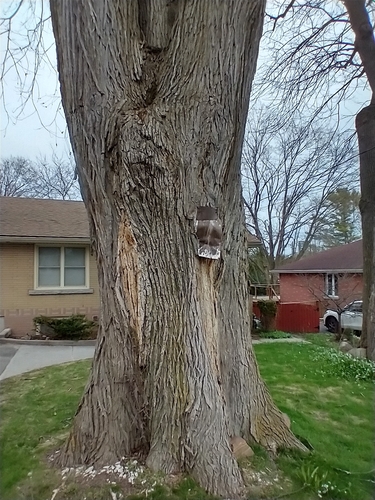
Close Relative (c) Tom Norton, some rights reserved (CC BY) · cc-by
Help improve the field guideSomething wrong?
Checking your Fauna account…Report a name, category, or profile issue for review.