
Flower
Horned Pansy
Viola cornutaAlso known as Horned Violet, Pyrenean Violet, Tufted Violet
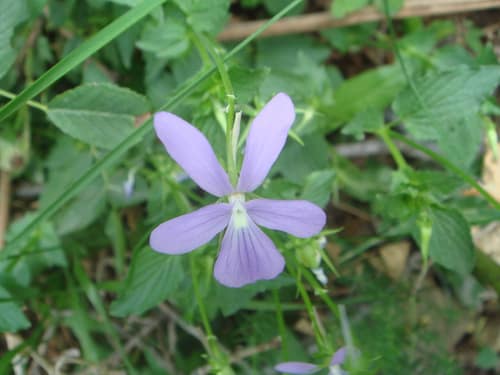
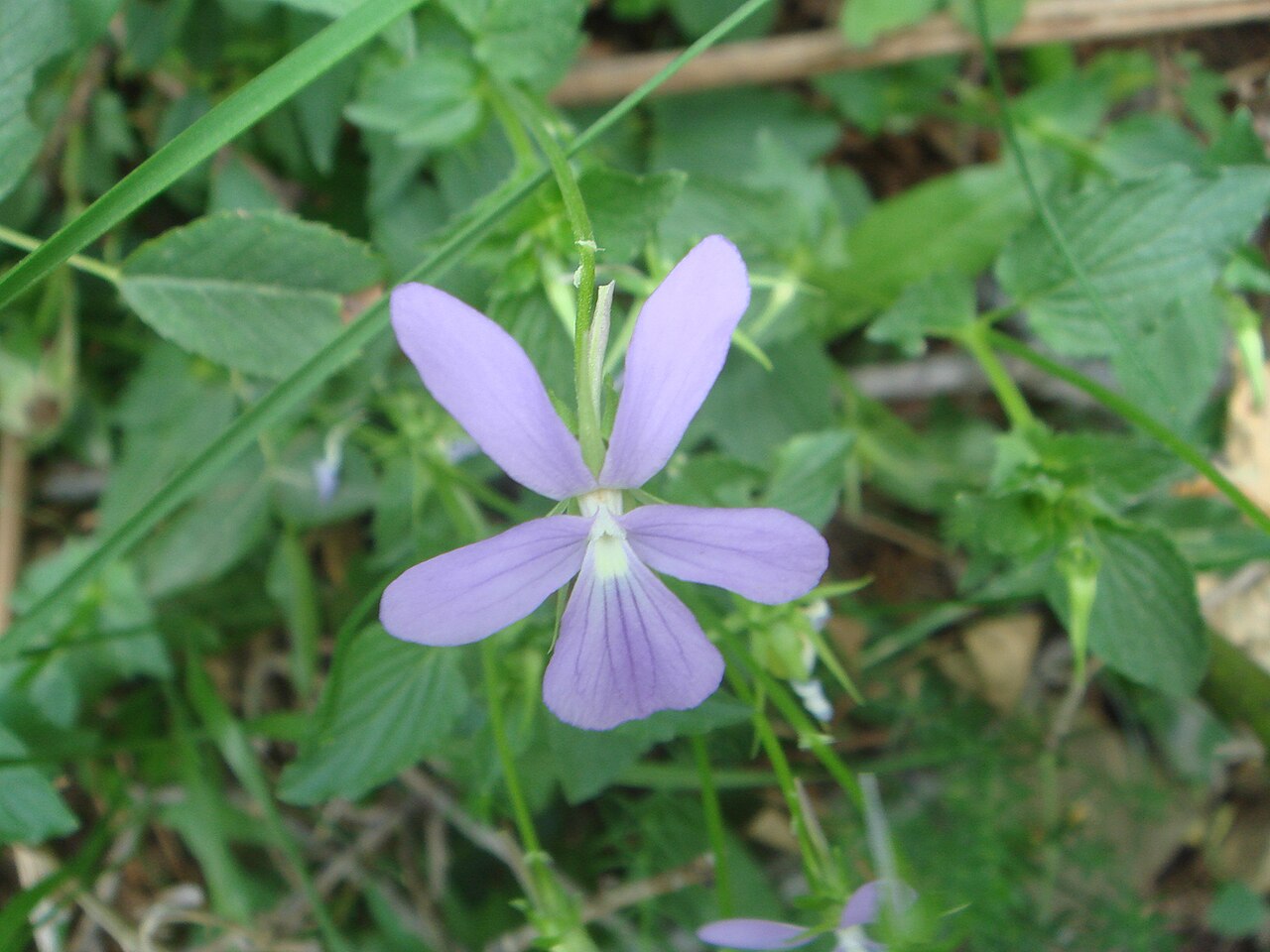
Horned pansies form lush, tufted cushions across subalpine grasslands and rocky ledges, producing masses of two-toned or violet blossoms that flutter in alpine breezes. Each flower features a distinctive, slender backward-pointing nectar spur that gives the plant its name, designed specifically to reward long-tongued insect pollinators like bees and butterflies. Widely naturalized in temperate rock gardens across the world, wild populations remain tightly adapted to cool summers, moist soils, and deep winter snow cover in southwestern Europe.
AlpineFloweringPerennial
—observations
—countries
—peak records
Least ConcernConservation statusIUCN Red List categoriesLCNTVUENCREWEXLeast ConcernRed List categories, explained →
Diet & preyPhotosynthetic
Predators
- Garden slugs and snails
- Roe deer
- Fritillary butterfly caterpillars
ThreatsAlpine habitat degradation, intense livestock grazing, and climate warming
HabitatsSubalpine meadows, rocky slopes, screes, and moist montane pastures
Life span3–5 years
Classification
- OrderMalpighiales
- FamilyViolaceae
- GenusViola
- SpeciesViola cornuta
Range data is not available yet.
Interaction riskLow
- Low
- Moderate
- High
- Very high
- Why interaction risk is low
- Safe to observe at a normal distance.
Responsible observation
- Observe the Spur: Look behind the flower head to spot the slender nectar horn that gives this species its name.
- Tread Carefully: Stick strictly to designated trails when viewing wild colonies in fragile alpine turf.
- Pollinator Watching: Watch the flowers on warm mornings to see solitary bees navigating the narrow nectar tubes.
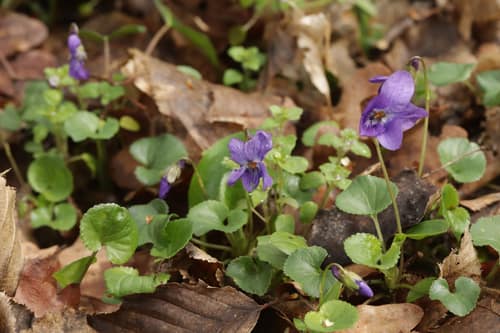
Same Genus (c) Björn Sothmann, some rights reserved (CC BY-SA), uploaded by Björn Sothmann · cc-by-sa Image unavailable
Ecological Neighbor 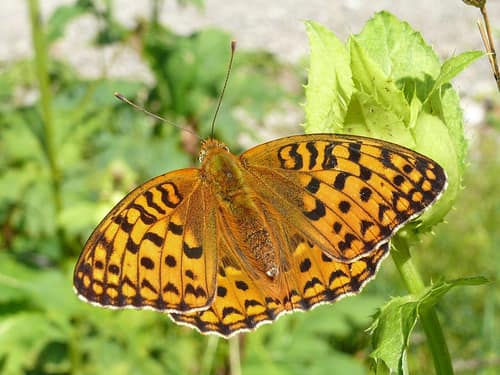
Herbivore Host Harald Süpfle / CC BY-SA 2.5 · cc-by-sa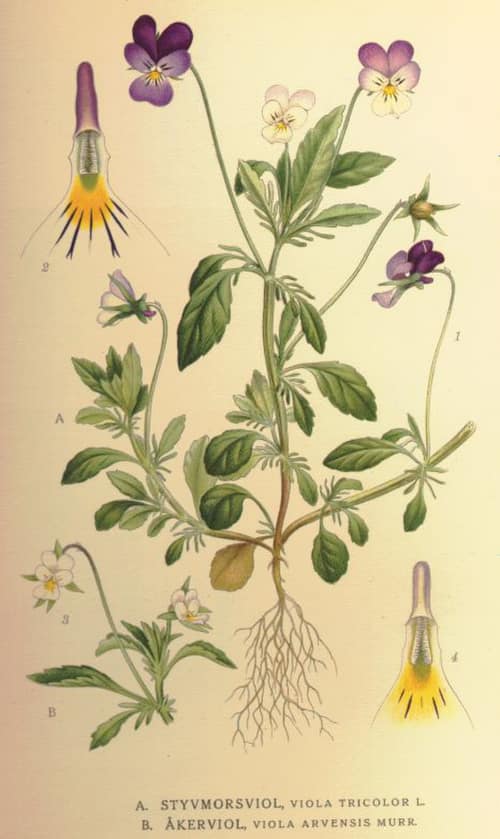
Close Relative Carl Axel Magnus Lindman / Public domain · cc0
Help improve the field guideSomething wrong?
Checking your Fauna account…Report a name, category, or profile issue for review.