
Plant · GBIF taxon 7613516
Kerguelen Cabbage
Pringlea antiscorbuticaAlso known as Subantarctic Cabbage
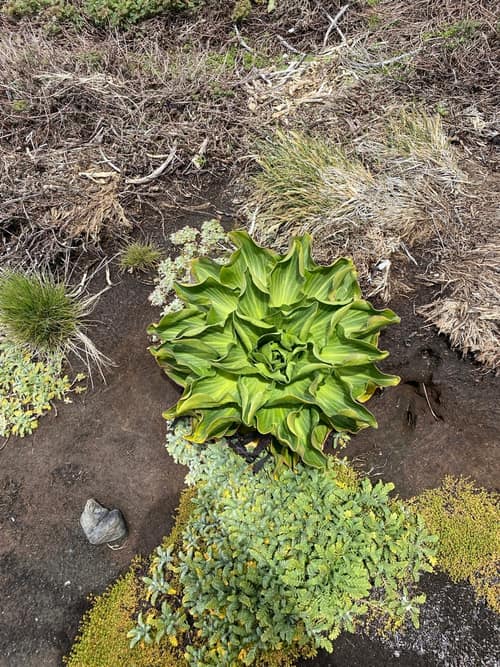
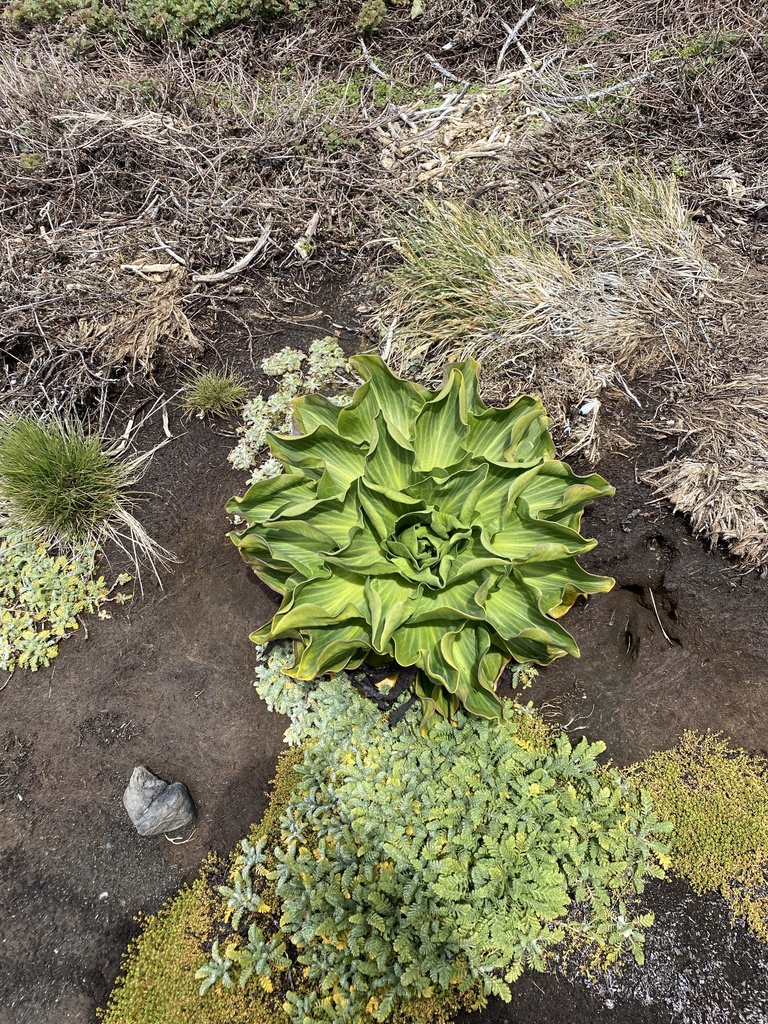
Kerguelen cabbage forms large, bright green rosettes hardy enough to thrive in the punishing winds of remote Southern Ocean islands. Uniquely adapted to extreme subantarctic environments lacking flying insect pollinators, it relies primarily on wind and self-pollination to fertilize its tall flowering stalks. Historically harvested by 18th-century mariners for its rich vitamin C content that staved off scurvy, remaining populations now face serious pressures from introduced invasive rabbits.
SubantarcticEndemicWind-Pollinated
—observations
—countries
—peak records
Not EvaluatedConservation statusIUCN Red List categoriesLCNTVUENCREWEXNot Evaluated — not placed on the risk ladderRed List categories, explained →
Diet & prey
- Autotrophic
Predators
- Feral Rabbits
- Invasive Rodents
ThreatsInvasive feral rabbits, introduced rodents, climate change
HabitatsSubantarctic tundra, coastal cliffs, damp peat plateaus
Life spanPerennial (up to 10 years or more)
Classification
- FamilyBrassicaceae
- SpeciesPringlea antiscorbutica
Range data is not available yet.
Interaction riskLow
- Low
- Moderate
- High
- Very high
- Why interaction risk is low
- Safe to observe at a normal distance.
- What to notice
- Look for dense, bright green, cabbage-like rosettes growing along rocky coastal cliffs and damp subantarctic plateaus.
- Support conservation
- Maintain distance from rosettes and remain on marked research tracks to prevent root compaction and seed dispersal.
Responsible observation
- Observation Etiquette: Stay on established research tracks to protect delicate subantarctic tundra soil.
- Biosecurity Steps: Clean all boots and gear thoroughly to prevent bringing alien seeds into isolated island habitats.
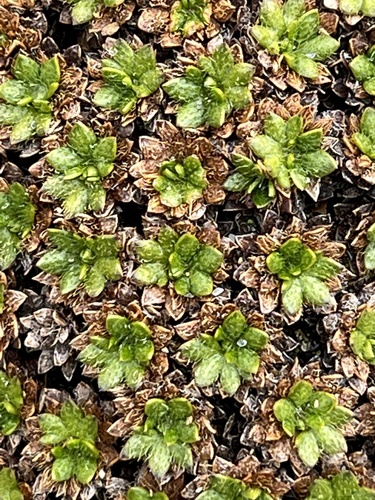
Habitat Companion (c) Brooke Smith, some rights reserved (CC BY), uploaded by Brooke Smith · cc-by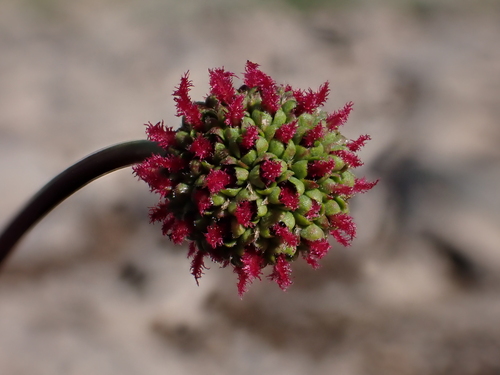
Co-Occurring Herb (c) Nolan Exe, some rights reserved (CC BY) · cc-by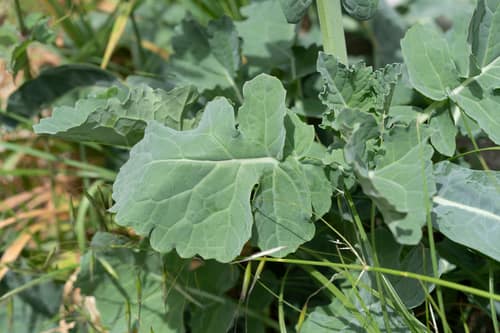
Family Relative (c) Eleftherios Katsillis, some rights reserved (CC BY), uploaded by Eleftherios Katsillis · cc-by
Help improve the field guideSomething wrong?
Checking your Fauna account…Report a name, category, or profile issue for review.