
Insect · GBIF taxon 7596343
Goldenrod Soldier Beetle
Chauliognathus pensylvanicusAlso known as Pennsylvania Leatherwing, Goldenrod Beetle
Goldenrod soldier beetles are abundant late-summer pollinators found across fields, prairies, and gardens throughout eastern North America. Adults feed primarily on pollen and nectar from goldenrod, asters, and milkweeds while mating publicly on the flower heads. Their soft, leathery wing covers are vibrant yellow-orange with prominent black spots, advertising defensive chemicals that deter birds and larger predators.
PollinatorBeneficial InsectAutumn Seasonal
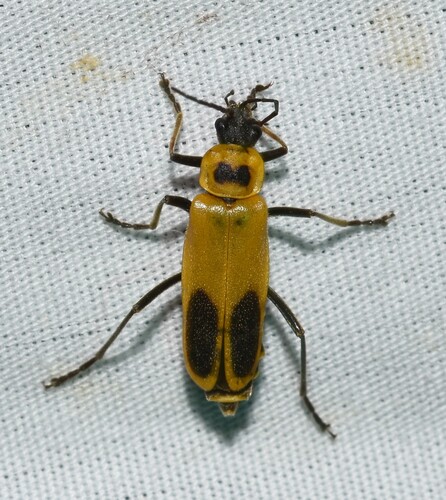
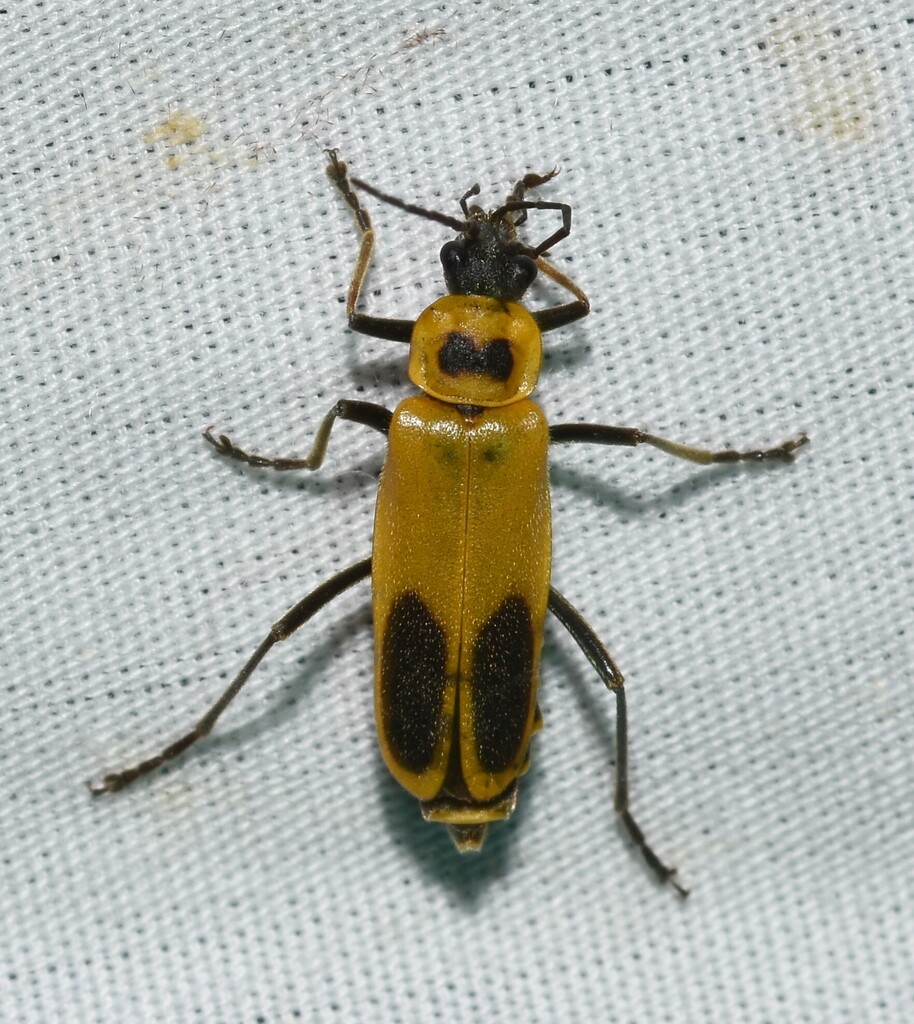
—observations
—countries
—peak records
Not EvaluatedConservation statusIUCN Red List categoriesLCNTVUENCREWEXNot Evaluated — not placed on the risk ladderRed List categories, explained →
Diet & prey
- Pollen
- Nectar
- Insect larvae and eggs (by beetle larvae)
Predators
- Birds
- Spiders
- Assassin bugs
ThreatsBroad-spectrum insecticide use and premature autumn mowing of field wildflowers
HabitatsMeadows, prairies, agricultural fields, gardens, and overgrown roadsides
Life span1 to 2 months as adults; 1 year total life cycle
Classification
- OrderColeoptera
- FamilyCantharidae
- GenusChauliognathus
- SpeciesChauliognathus pensylvanicus
Range data is not available yet.
Interaction riskLow
- Low
- Moderate
- High
- Very high
- Why interaction risk is low
- Harmless to humans and beneficial to garden ecosystems; safe to observe closely.
Responsible observation
- Finding adults: Search yellow flower heads like goldenrod and sunflowers from August through October.
- Gentle handling: These soft-bodied beetles do not bite or sting and can be allowed to walk on open hands.
- Garden encouraging: Leave fallen leaves and late-season foliage intact to protect overwintering larvae.
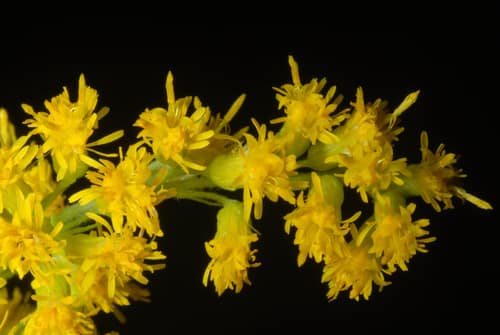
Host Plant (c) Douglas Goldman, some rights reserved (CC BY-SA), uploaded by Douglas Goldman · cc-by-sa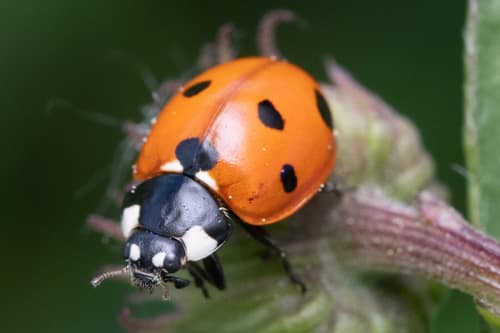
Frequent Companion (c) Casey H. Richart, some rights reserved (CC BY), uploaded by Casey H. Richart · cc-by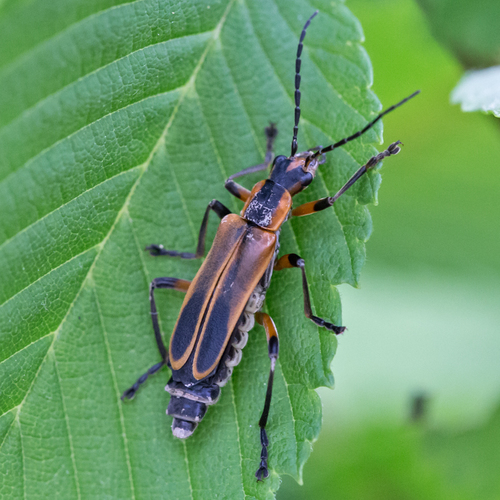
Close Relative (c) Bill Keim, some rights reserved (CC BY) · cc-by
Help improve the field guideSomething wrong?
Checking your Fauna account…Report a name, category, or profile issue for review.