
Plant · GBIF taxon 7587215
Arabian Jasmine
Jasminum sambacAlso known as Sampaguita, Philippine Jasmine, Tuscan Jasmine, Pikake
Arabian jasmine produces small, snow-white blossoms that unfurl at dusk, releasing a rich perfume prized in garlands, perfumes, and herbal teas worldwide. Growing as a compact shrub or clambering woody vine, this evergreen species blooms continuously throughout warm weather in frost-free tropical regions. Cultivated for centuries across Asia, it holds deep cultural significance as the national flower of both the Philippines and Indonesia.
FragrantEvergreenOrnamental
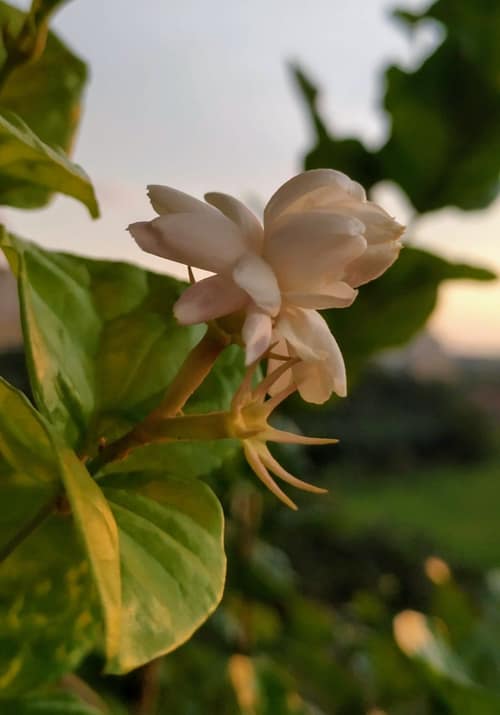
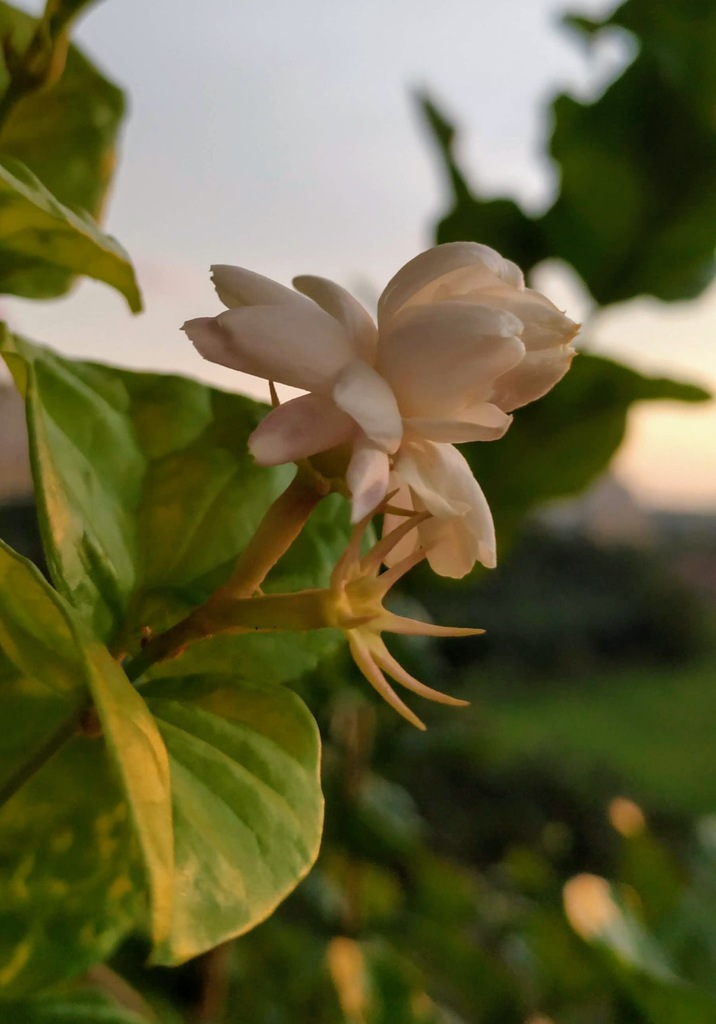
—observations
—countries
—peak records
Not EvaluatedConservation statusIUCN Red List categoriesLCNTVUENCREWEXNot Evaluated — not placed on the risk ladderRed List categories, explained →
Diet & prey
- Autotrophic (Photosynthetic)
Predators
- Spider Mites
- Caterpillars
- Thrips
ThreatsFreezing temperatures, habitat clearing, fungal pathogens
HabitatsTropical thickets, gardens, disturbed secondary scrub
Life span15–20+ years
Size / weightNot available
Classification
- FamilyOleaceae
- SpeciesJasminum sambac
Range data is not available yet.
Interaction riskLow
- Low
- Moderate
- High
- Very high
- Why interaction risk is low
- Safe to observe at a normal distance; do not ingest wild plant parts without expert identification.
Responsible observation
- Scent Observation: Smell the blossoms at dusk or early morning when fragrance emission peaks.
- Pruning Practice: Trim trailing stems after flowering to encourage bushier growth and more buds.
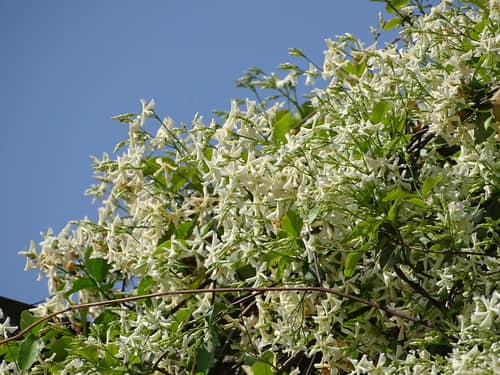
Look-Alike no rights reserved, uploaded by 葉子 · cc0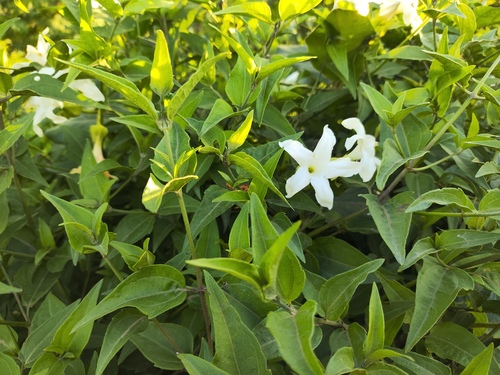
Close Relative (c) Silvia Ten, some rights reserved (CC BY), uploaded by Silvia Ten · cc-by Image unavailable
Close Relative
Help improve the field guideSomething wrong?
Checking your Fauna account…Report a name, category, or profile issue for review.