
Plant · GBIF taxon 7587087
Pigeon Pea
Cajanus cajanAlso known as Toor, Arhar, Congo Pea, Gandu Pea
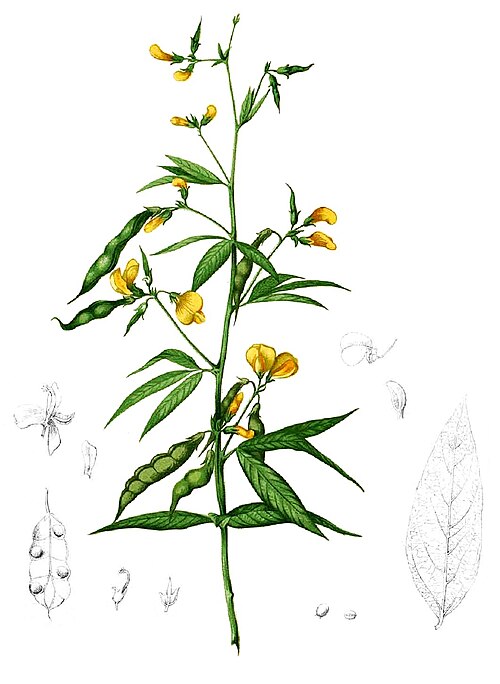
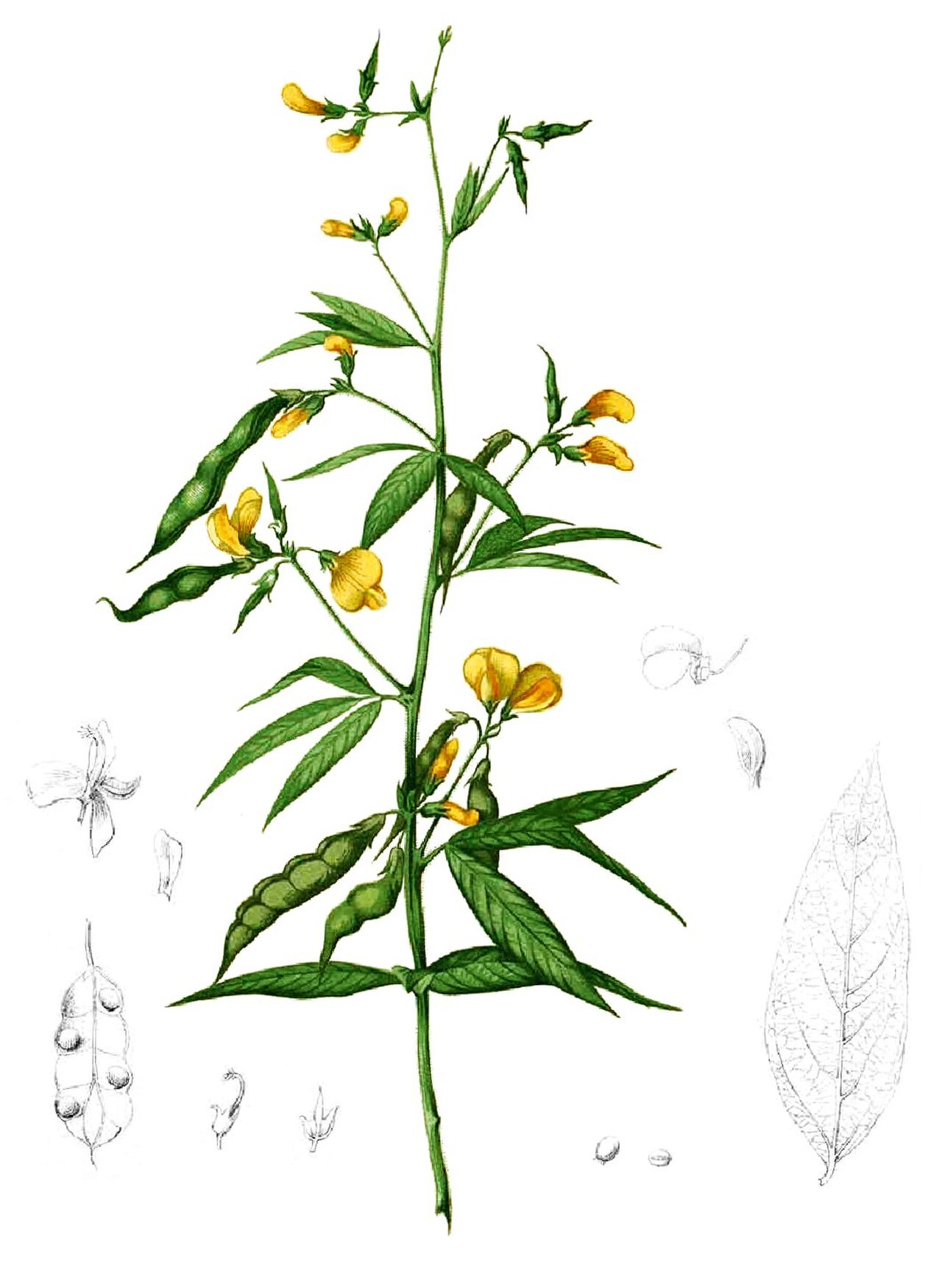
Pigeon pea plants feature woody stems, trifoliate leaves, and vibrant yellow-to-orange streaked flowers that attract a broad array of native pollinators. Deep taproots break up compacted subsoils while symbiotic root bacteria fix atmospheric nitrogen into the surrounding earth. Flat, hairy seed pods form after flowering, each containing small rounded seeds that disperse as mature pods dry and twist open.
Nitrogen FixerDrought TolerantFlowering Bush
—observations
—countries
—peak records
Not EvaluatedConservation statusIUCN Red List categoriesLCNTVUENCREWEXNot Evaluated — not placed on the risk ladderRed List categories, explained →
Diet & prey
- Sunlight
- Soil Minerals
- Atmospheric Nitrogen
Predators
- Pod Borer Larvae
- Aphids
- Grazing Cattle
ThreatsSevere frost, fungal wilt, pod borer insects
HabitatsTropical scrub, drylands, agricultural fields
Life span3–5 years
Size / weightNot available
Classification
- OrderFabales
- FamilyFabaceae
- GenusCajanus
- SpeciesCajanus cajan
Range data is not available yet.
Interaction riskLow
- Low
- Moderate
- High
- Very high
- Why interaction risk is low
- Safe to observe at a normal distance; wild pods have toxic look-alikes.
Responsible observation
- Soil Enrichment: Plant near nutrient poor soils to benefit neighboring vegetation from fixed nitrogen.
- Pollinator Watching: Observe yellow flowers during sunny mornings when solitary bees visit for nectar.
- Drought Resilience: Note how slender leaves fold inward during extreme midday heat to conserve water.
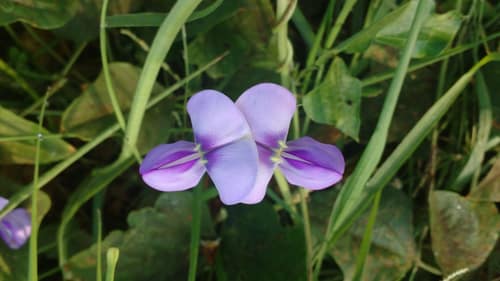
Legume Kin no rights reserved, uploaded by S.MORE · cc0 Image unavailable
Soil Companion Close Relative
Help improve the field guideSomething wrong?
Checking your Fauna account…Report a name, category, or profile issue for review.