
Plant · GBIF taxon 7581609
Spirogyra porticalis
Spirogyra porticalisAlso known as Water Silk, Pond Silk, Mermaid's Tresses
Spirogyra porticalis forms bright green, slippery mats in clean, sunlit freshwater ditches, ponds, and slow-moving streams. Each unbranched microscopic filament consists of cylindrical cells linked end to end, each housing a signature ribbon-like chloroplast coiled into a tight internal spiral. During sunny afternoons, intense photosynthesis traps bubbles of oxygen within the dense tangled filaments, causing buoyant blankets to float right up to the water surface.
FreshwaterFilamentousAquatic
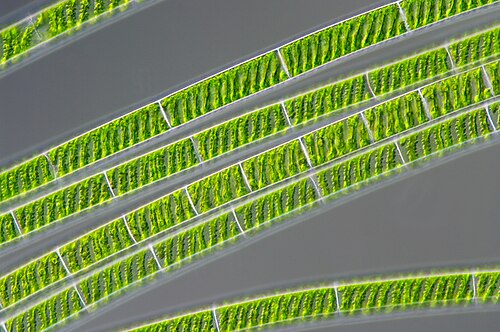
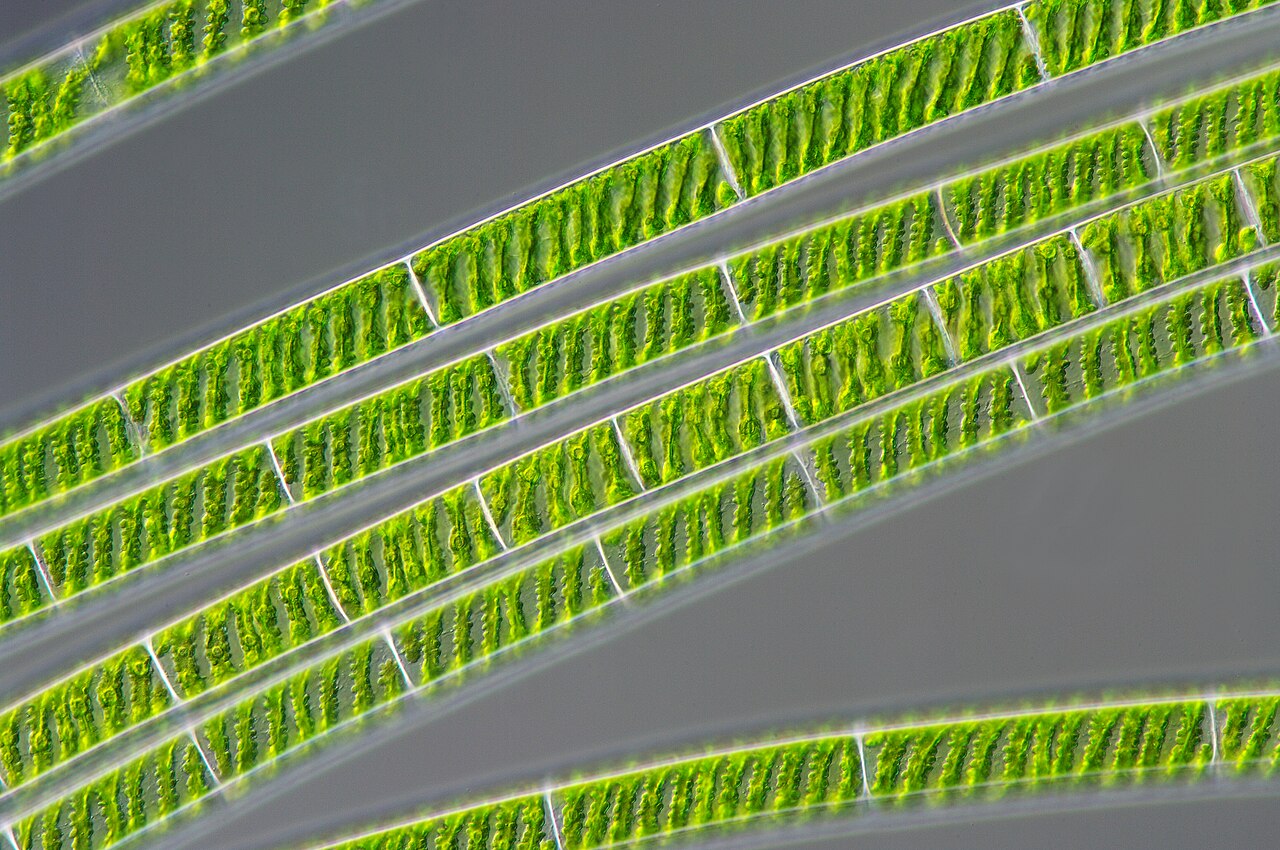
Licensed referenceWiedehopf20 / CC BY-SA 4.0 · cc-by-sa
—observations
—countries
—peak records
Not EvaluatedConservation statusIUCN Red List categoriesLCNTVUENCREWEXNot Evaluated — not placed on the risk ladderRed List categories, explained →
Diet & prey
- Photosynthetic (autotroph)
Predators
- Water Flea (Daphnia magna)
- Great Pond Snail (Lymnaea stagnalis)
- Grass Carp (Ctenopharyngodon idella)
ThreatsChemical algaecides, heavy metal contamination, and severe water turbulence
HabitatsFreshwater ponds, quiet lake margins, drainage ditches, and sluggish streams
Life spanSeasonal; individual cells divide continuously, zygospores persist over winter
Size / weightNot available
Classification
- OrderZygnematales
- FamilyZygnemataceae
- GenusSpirogyra
- SpeciesSpirogyra porticalis
Range data is not available yet.
Interaction riskLow
- Low
- Moderate
- High
- Very high
- Why interaction risk is low
- Safe to observe at a normal distance.
Responsible observation
- Microscope viewing: Place a few threads in a drop of water to reveal the spiral chloroplast under 100x magnification.
- Gentle sampling: Lift mats gently with a twig or jar, as filaments slip easily apart and tear under force.
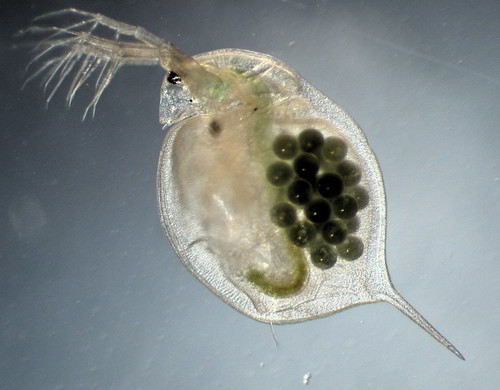
Predator (c) Dieter Ebert, Basel, Switzerland, some rights reserved (CC BY-SA) · cc-by-sa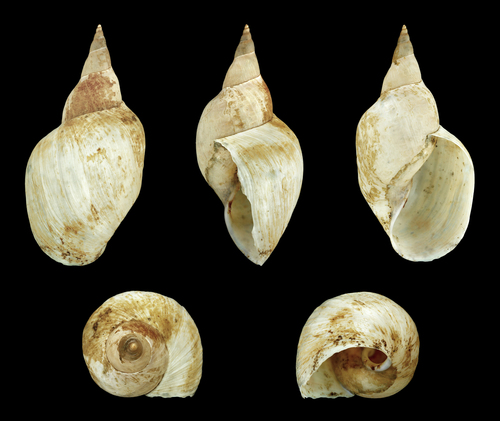
Predator (c) H. Zell, some rights reserved (CC BY-SA) · cc-by-sa Image unavailable
Close Relative Same Family
Help improve the field guideSomething wrong?
Checking your Fauna account…Report a name, category, or profile issue for review.