
Mammal
Wild Water Buffalo
Bubalus bubalis arneeAlso known as Asian Buffalo, Asiatic Buffalo, Wild Buffalo, Arnee
Wild water buffalo roam the alluvial grasslands and river valleys of South and Southeast Asia, spending hotter daylight hours submerged in muddy wallows to regulate body temperature and deter biting insects. Herds consist primarily of females and their offspring led by an experienced matriarch, while adult males form bachelor groups or wander solitary. Massive horns spanning up to two meters give these formidable herbivores powerful defense against large predators.
HerbivoreWetland
—observations
—countries
—peak records
EndangeredConservation statusIUCN Red List categoriesLCNTVUENCREWEXEndangeredRed List categories, explained →
Diet & preyGrasses, Sedges, Aquatic Vegetation
Predators
- Bengal Tiger
- Saltwater Crocodile
ThreatsHabitat loss, interbreeding with domestic water buffalo, disease, and poaching
HabitatsTropical wetlands, riverine grasslands, swamps, and marshes
Life spanUp to 25 years
Classification
- FamilyBovidae
- SpeciesBubalus bubalis arnee
Range data is not available yet.
Interaction riskHigh
- Low
- Moderate
- High
- Very high
- Why interaction risk is high
- Highly aggressive when threatened; maintain a safe distance of at least 100 meters.
- Why it is dangerous
- Weighing up to 1,200 kilograms with massive crescent horns, this bovine can charge violently with immense force when startled.
- How to recognize a risky encounter
- Look for a massive slate-grey coat with wide backward-curving horns, pale leg socks, and a faint light chest band.
- What to do
- Never approach on foot or position yourself between a mother and calf.
- What to notice
- Recognizable by immense horn spans and noticeably larger, stockier build than domestic buffalo.
- Support conservation
- Maintain low noise levels and stay on guided safari routes to prevent herd displacement.
Responsible observation
- Vehicle Observation: Always view wild herds from inside an enclosed safari vehicle.
- Warning Signs: Retreat immediately if an individual raises its head, paws the dirt, or snorts.
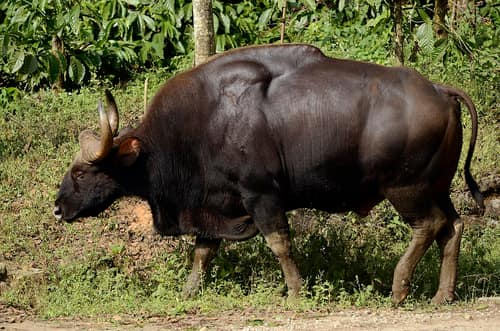
Competitor PJeganathan / CC BY-SA 4.0 · cc-by-sa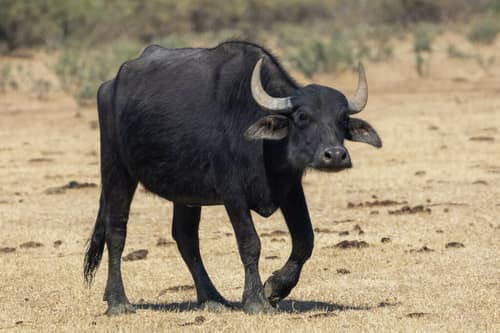
Domestic Variant (c) Alex Stach, some rights reserved (CC BY), uploaded by Alex Stach · cc-by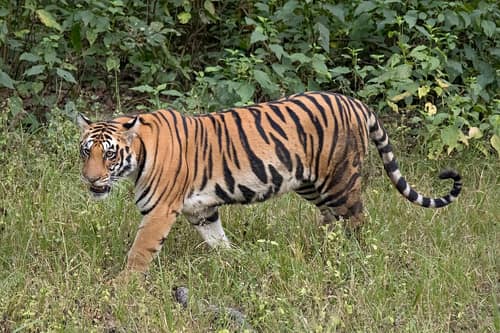
Predator Charles J. Sharp / CC BY-SA 4.0 · cc-by-sa
Help improve the field guideSomething wrong?
Checking your Fauna account…Report a name, category, or profile issue for review.