
Insect · GBIF taxon 7556625
Cicada
Dundubia hastataDundubia hastata males produce ringing high-pitched buzzes from specialized abdominal tymbals to attract females throughout the forest canopy. Nymphs spend years subterranean feeding on root sap before emerging simultaneously in warm weather to transform into winged adults. After mating and laying eggs in twigs, the short-lived adults die, leaving the next generation to drop back into the soil.
ArborealAcousticInsect
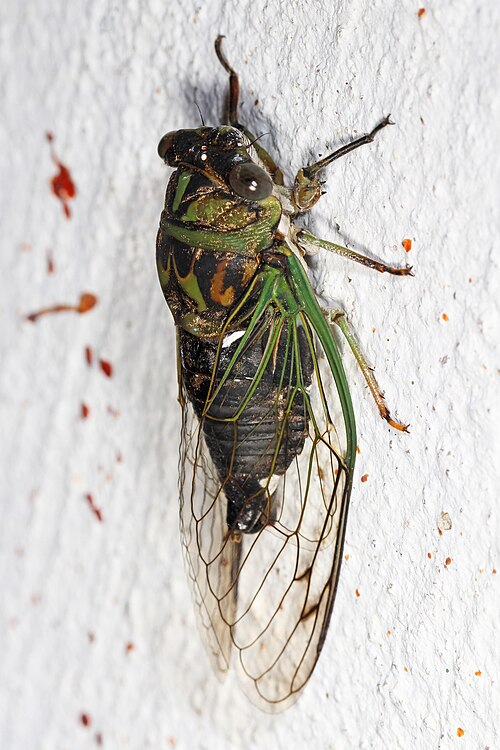
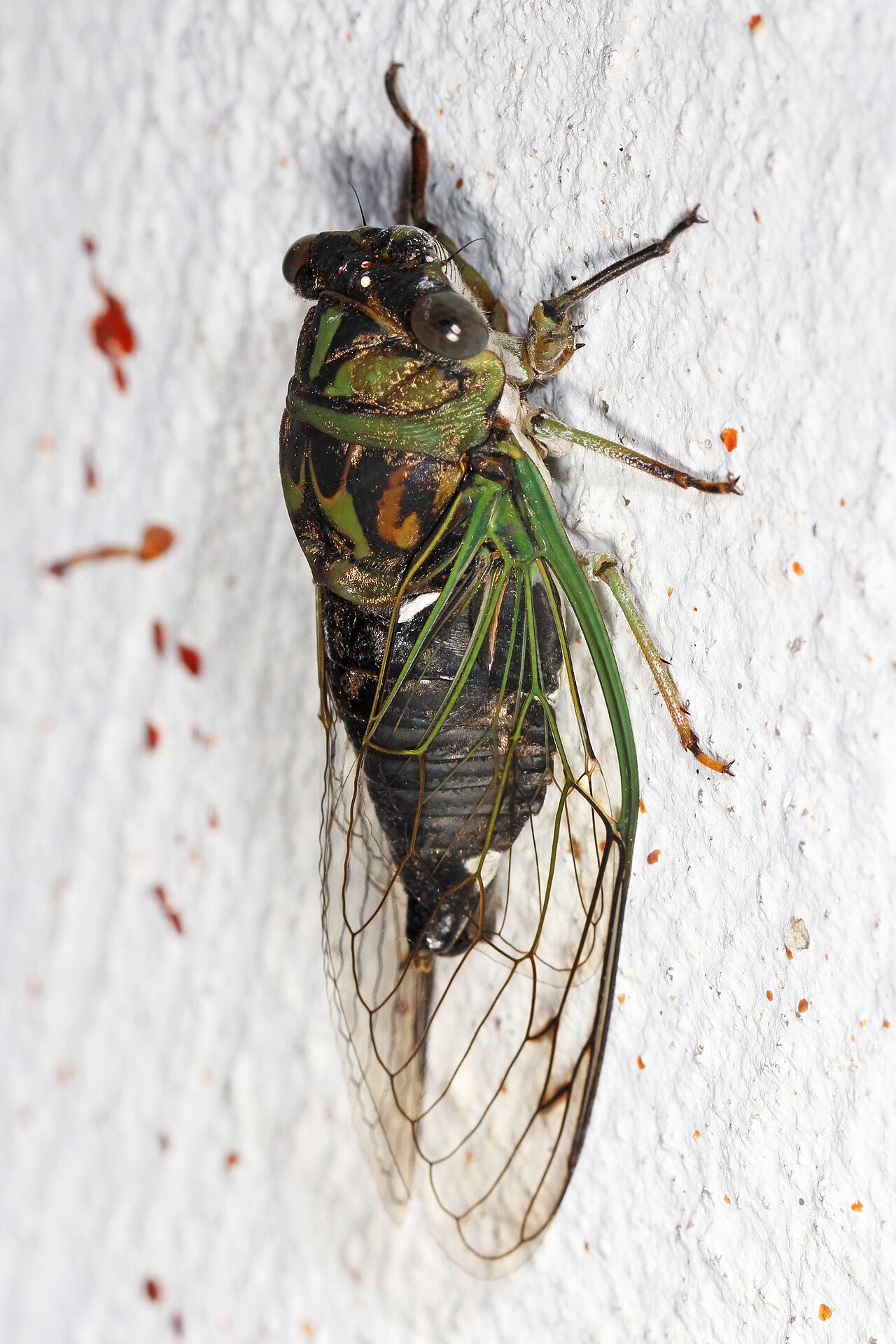
Licensed referenceJudy Gallagher / CC BY 2.0 · cc-by
—observations
—countries
—peak records
Not EvaluatedConservation statusIUCN Red List categoriesLCNTVUENCREWEXNot Evaluated — not placed on the risk ladderRed List categories, explained →
Diet & prey
- Tree xylem fluid
- Root sap
Predators
- Birds
- Bats
- Mantises
ThreatsDeforestation and forest fragmentation
HabitatsTropical rainforests, moist deciduous forests, and wooded parks
Life span2 to 5 years underground; 2 to 4 weeks as adults
Size / weightNot available
Classification
- FamilyCicadidae
- SpeciesDundubia hastata
Range data is not available yet.
Interaction riskLow
- Low
- Moderate
- High
- Very high
- Why interaction risk is low
- Safe to observe at a normal distance.
Responsible observation
- Listen for calling: Locate males by following their loud, rhythmic buzzing calls in daytime canopy foliage.
- Look for shed skins: Search tree trunks and low branches for hollow nymphal exuviae after night emergences.
- Observe gently: Approach quietly near low perches, as adults easily fly off when startled.
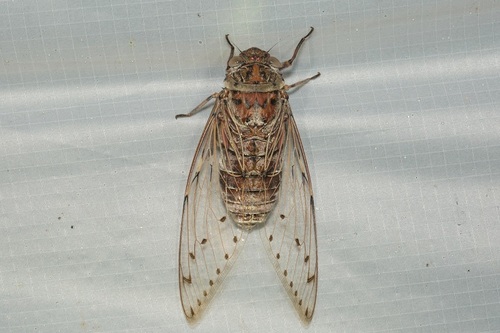
Co-Occurring Giant (c) dhfischer, some rights reserved (CC BY), uploaded by dhfischer · cc-by Image unavailable
Close Relative Family Kin
Help improve the field guideSomething wrong?
Checking your Fauna account…Report a name, category, or profile issue for review.