
Fungus · GBIF taxon 7542962
Hexagonal-pored Polypore
Lentinus arculariusAlso known as Spring Polypore, Spring Cap Fungus
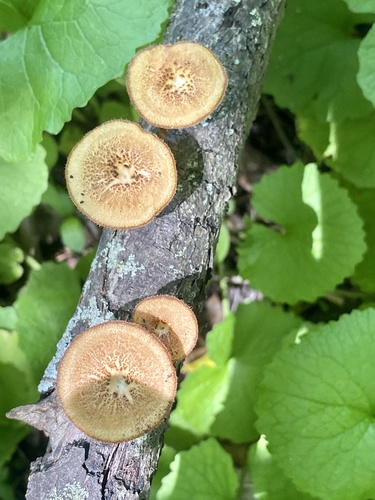
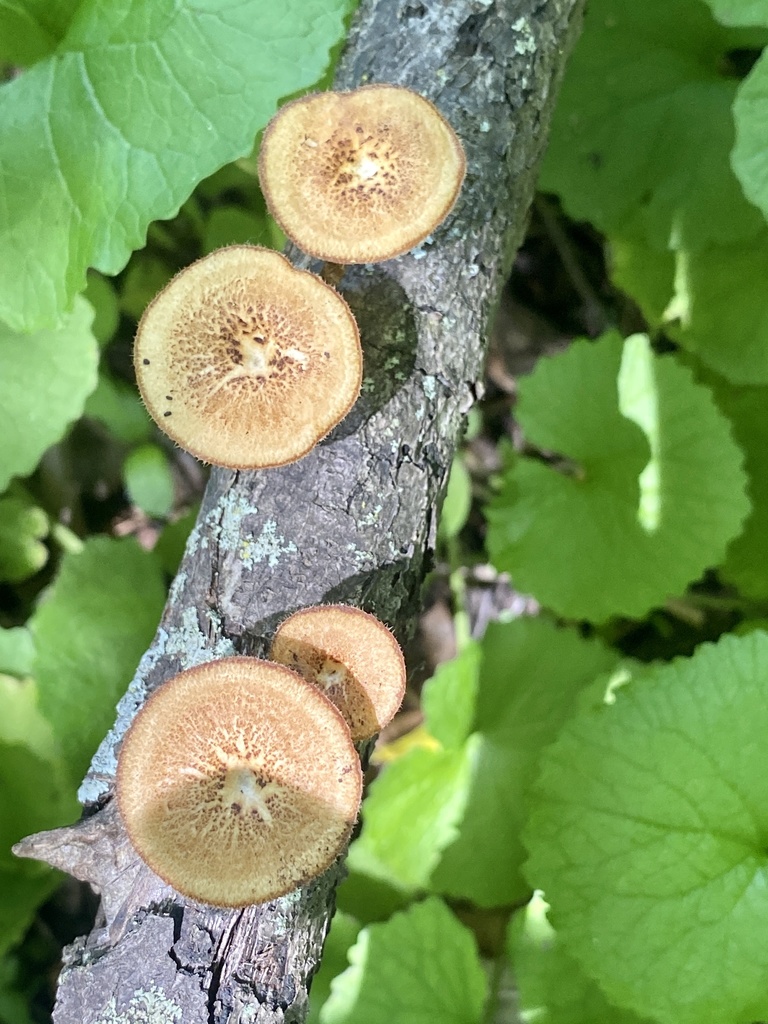
Hexagonal-pored polypores sprout from decaying hardwood twigs and fallen branches during spring and early summer. A slender, central stem supports a brownish, velvety cap edged with delicate hair-like bristles. Beneath the cap, large angular to hexagonal pores radiate outward in an unmistakable honeycomb pattern.
Spring MushroomSaprobicWood Decay
 1 / 7
1 / 7—observations
—countries
—peak records
Not EvaluatedConservation statusIUCN Red List categoriesLCNTVUENCREWEXNot Evaluated — not placed on the risk ladderRed List categories, explained →
Diet & prey
- Dead hardwood
- Lignin
- Cellulose
Predators
- Fungus beetles
- Slugs
- Rodents
ThreatsClearcutting and extensive forest removal
HabitatsDeciduous forests, woodlands, parks
Life spanAnnual (fruiting bodies last a few weeks)
Size / weightNot available
Classification
- OrderPolyporales
- FamilyPolyporaceae
- GenusLentinus
- SpeciesLentinus arcularius
Range data is not available yet.
Interaction riskLow
- Low
- Moderate
- High
- Very high
- Why interaction risk is low
- Many wild fungi have toxic look-alikes; never eat wild mushrooms based on app identification alone.
Responsible observation
- Pore Inspection: Turn the cap over to observe the diagnostic honeycomb pore pattern.
- Substrate Search: Look for individual fruiting bodies attached to fallen oak or maple twigs.
- Seasonal Timing: Scan damp forest floors during mid-to-late spring following warm rains.
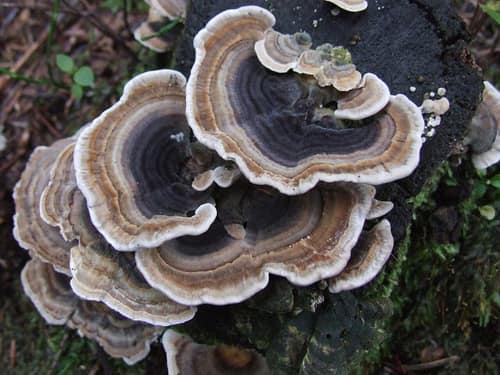
Co-occurring Polypore Jerzy Opioła / CC BY-SA 3.0 · cc-by-sa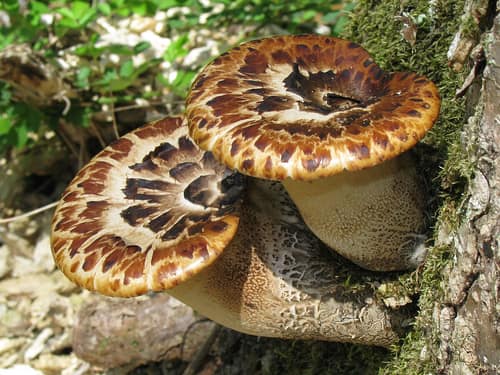
Close Relative Dan Molter / CC BY-SA 3.0 · cc-by-sa Image unavailable
Close Relative 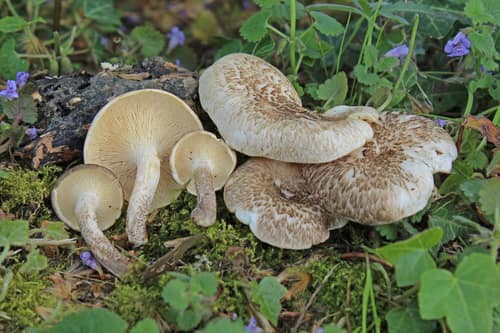
Genus Relative (c) Davide Puddu, some rights reserved (CC BY), uploaded by Davide Puddu · cc-by
Keep collecting in Fauna
Found in Collections
Ecosystem chain Pro
Secret Garden
Hexagonal-pored Polypore is found in this collection. Identify it in Fauna to fill this slot and continue your progress.
Unlock to track progress
Help improve the field guideSomething wrong?
Checking your Fauna account…Report a name, category, or profile issue for review.