
Plant · GBIF taxon 7539382
Chiltern Gentian
Gentianella germanicaAlso known as German Gentian
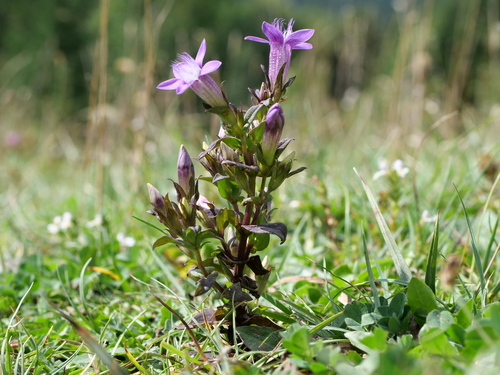
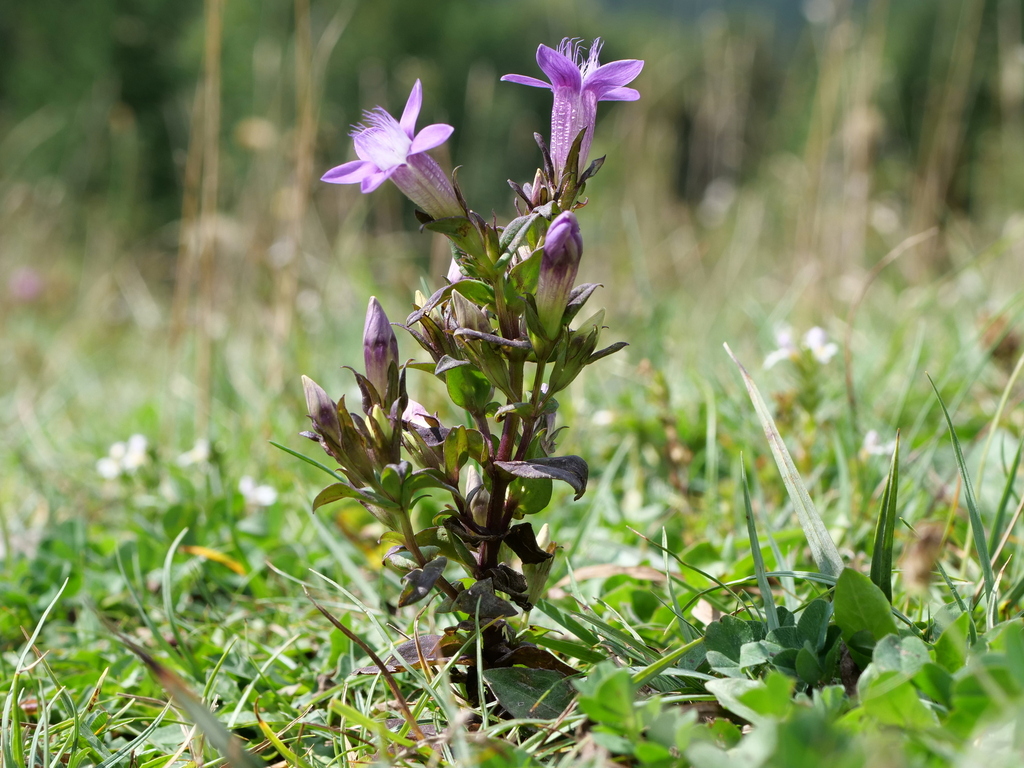
Chiltern gentians carpet short, sunlit chalk grasslands with striking tubular flowers from late summer into early autumn. Functioning primarily as biennials, these plants spend their first year developing an unobtrusive basal rosette before bolting with a branched, leafy stem. Bumblebees with long tongues serve as the primary pollinators, prying open the fringed floral throats to access nectar.
WildflowerBiennialCalciphile
—observations
—countries
—peak records
Least ConcernConservation statusIUCN Red List categoriesLCNTVUENCREWEXLeast ConcernRed List categories, explained →
Diet & prey
- Autotrophic (photosynthesis)
Predators
- European Rabbit
- Domestic Sheep
- Slugs
ThreatsScrub encroachment, cessation of traditional grazing, and agricultural intensification
HabitatsCalcareous grasslands, chalk downland, and subalpine meadows
Life spanTypically biennial (1–2 years)
Size / weightNot available
Classification
- FamilyGentianaceae
- SpeciesGentianella germanica
Range data is not available yet.
Interaction riskLow
- Low
- Moderate
- High
- Very high
- Why interaction risk is low
- Safe to observe at a normal distance.
- What to notice
- Look for five-petaled, reddish-purple funnel flowers with a densely fringed throat on short stems among low chalk grasses.
- Support conservation
- Observe and photograph without stepping off established paths, and never pick or disturb wild specimens.
Responsible observation
- Observation Timing: Visit chalk downland slopes between August and October when the deep purple flowers open in bright sunlight.
- Tread Lightly: Stick strictly to designated downland trails to avoid crushing small rosettes and shallow root systems.
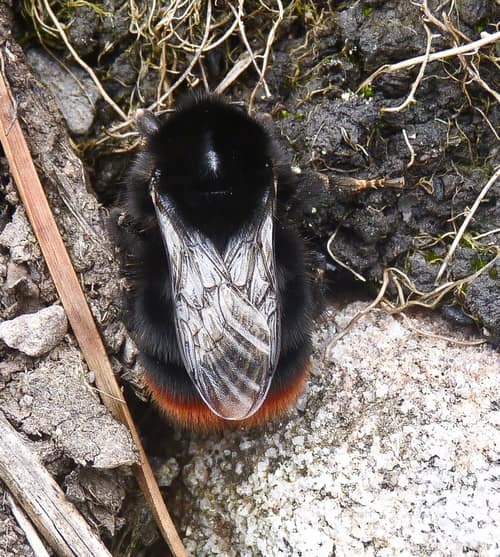
Pollinator (c) Odd Wellies, some rights reserved (CC BY) · cc-by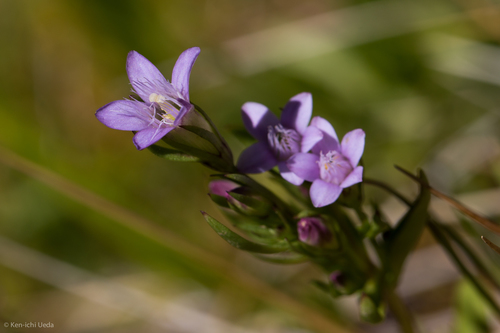
Close Relative (c) Ken-ichi Ueda, some rights reserved (CC BY), uploaded by Ken-ichi Ueda · cc-by Image unavailable
Close Relative 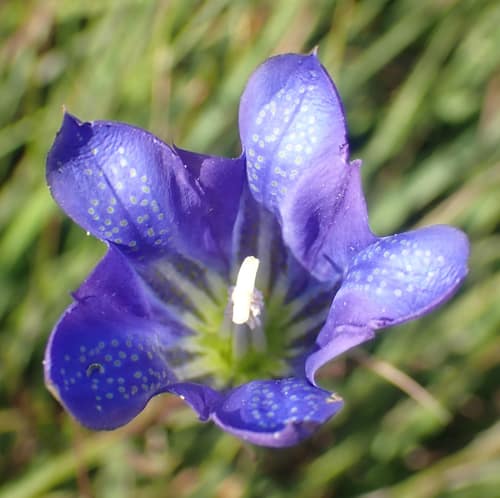
Same Family (c) Thomas Gyselinck, some rights reserved (CC BY), uploaded by Thomas Gyselinck · cc-by
Help improve the field guideSomething wrong?
Checking your Fauna account…Report a name, category, or profile issue for review.