
Species
Linheraptor exquisitus
Linheraptor exquisitusLinheraptor exquisitus was an agile, bird-like dromaeosaurid that stalked the ancient sand dunes and semi-arid scrublands of the Late Cretaceous Gobi basin. Equipped with an enlarged, sickle-shaped claw on the second toe of each foot, it likely pinned down small vertebrates while using slender, recurved teeth to dispatch them. The species is celebrated among paleontologists for its holotype specimen, which represents one of the most complete and pristine dromaeosaur skeletons ever recovered.
PrehistoricCarnivorousBipedal
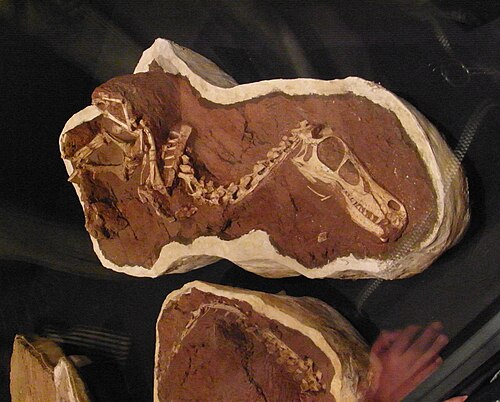
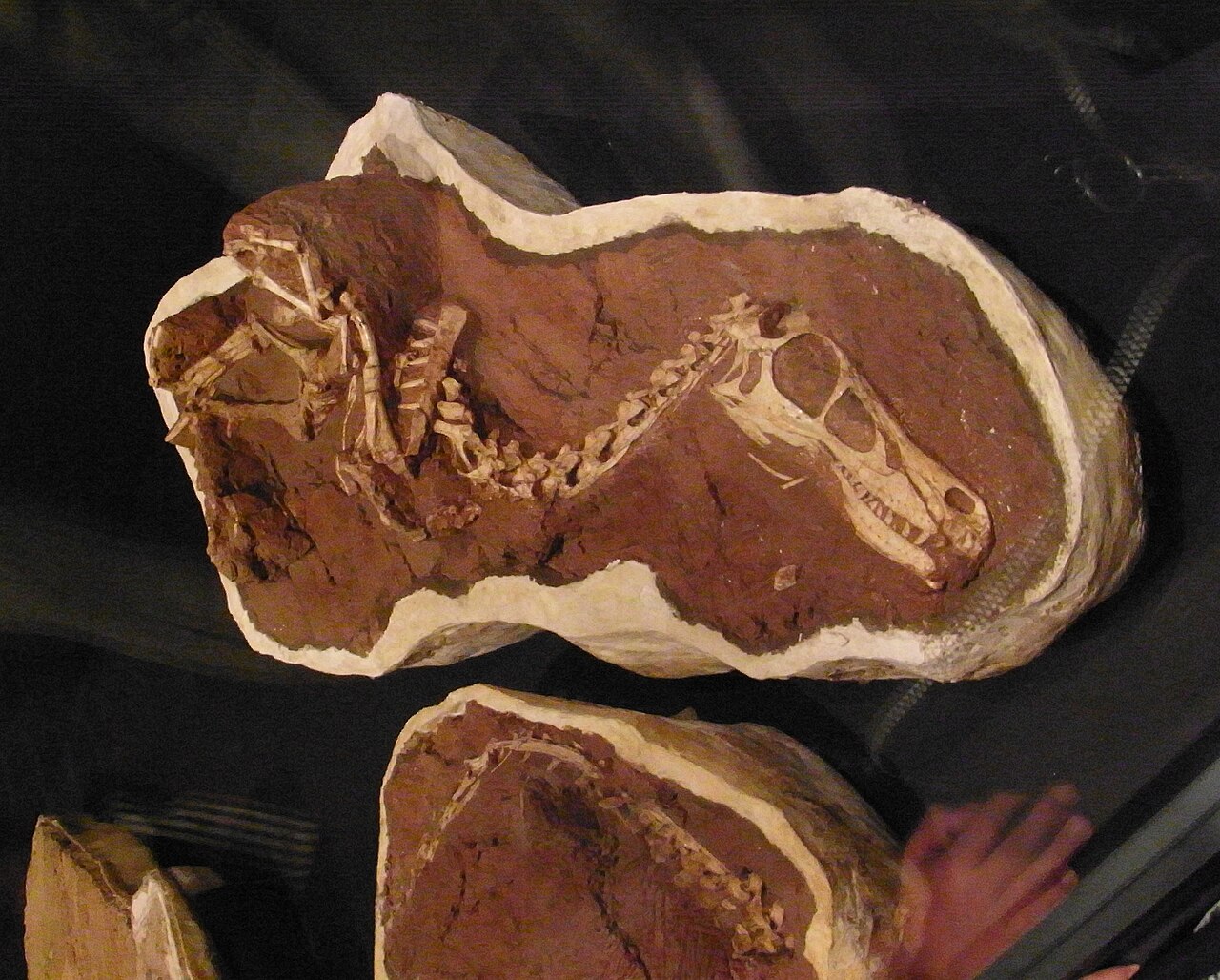
—observations
—countries
—peak records
ExtinctConservation statusIUCN Red List categoriesLCNTVUENCREWEXExtinctRed List categories, explained →
Diet & preyProtoceratops juveniles, Small squamates, Multituberculate mammals
Predators
- Alectrosaurus
- Subadult tyrannosauroids
- Azhdarchid pterosaurs
ThreatsPredation by larger theropods, severe dust storms, and aridification
HabitatsArid dunes, semi-desert scrublands, and alluvial floodplains
Life spanEstimated 10–20 years
Classification
- FamilyDromaeosauridae
- SpeciesLinheraptor exquisitus
Range data is not available yet.
Interaction riskLow
- Low
- Moderate
- High
- Very high
- Why interaction risk is low
- Extinct species known only from Late Cretaceous fossil remains.
Responsible observation
- Museum observation: Study high-fidelity casts in natural history museums to view its articulated skull.
- Fossil context: Examine red sandstone formations to understand the dune habitats that entombed it.
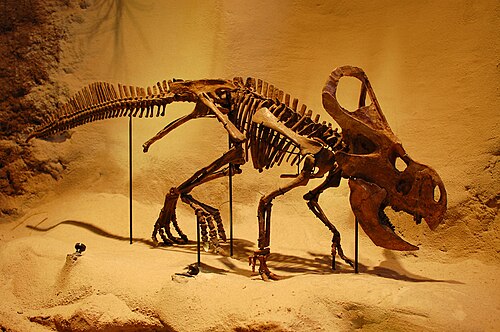
Prey Tadek Kurpaski from London, Poland / CC BY 2.0 · cc-by Image unavailable
Close Relative 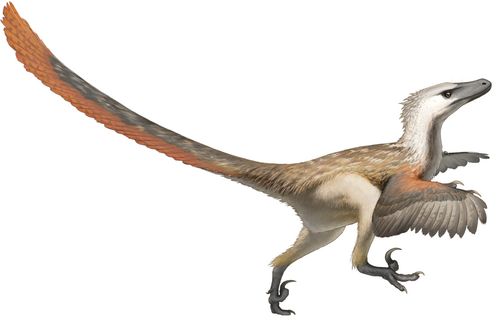
Same Family (c) Fred Wierum, some rights reserved (CC BY-SA) · cc-by-sa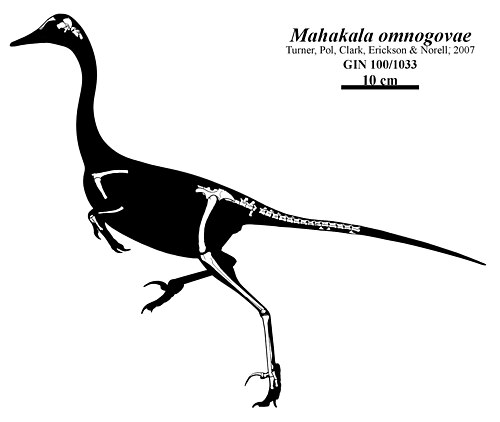
Same Family Jaime A. Headden (User:Qilong) / CC BY 3.0 · cc-by
Help improve the field guideSomething wrong?
Checking your Fauna account…Report a name, category, or profile issue for review.