
Plant · GBIF taxon 7532185
Pink Honeysuckle
Lonicera hispidulaAlso known as California Honeysuckle, Hairy Honeysuckle, Western Honeysuckle
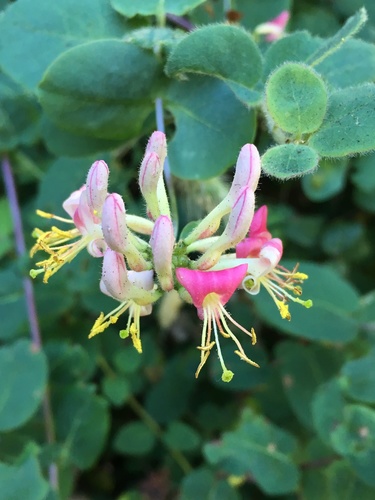
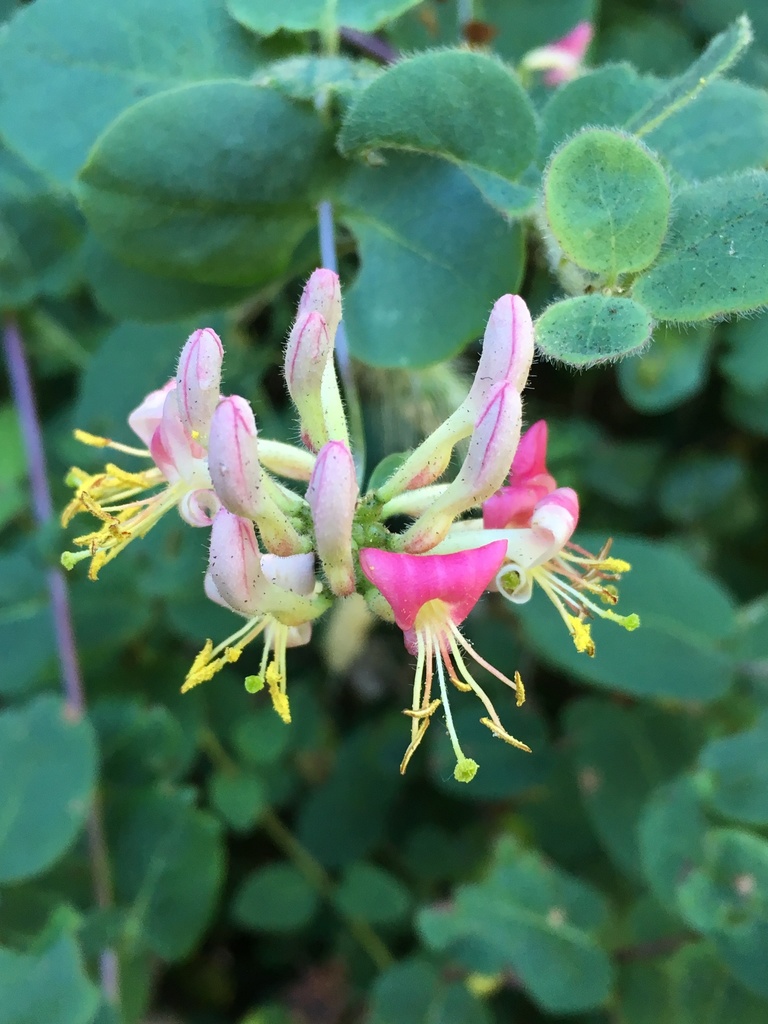
Pink honeysuckle trails through shaded western woodlands, climbing surrounding shrubs and oaks with slender twining stems. Upper leaves fuse around the stem to form disk-like collars just below terminal clusters of tubular pink to purplish flowers. These nectar-rich blooms attract hummingbirds and native bees before ripening into bright translucent red berries prized by songbirds.
Native PlantClimbing VinePink Flowers
 1 / 7
1 / 7—observations
—countries
—peak records
Least ConcernConservation statusIUCN Red List categoriesLCNTVUENCREWEXLeast ConcernRed List categories, explained →
Diet & prey
- Sunlight
- Soil Nutrients
- Water
Predators
- Mule Deer
- Caterpillars
- Frugivorous Birds
ThreatsHabitat Loss, Invasive Exotic Plants
HabitatsOak Woodlands, Chaparral, Mixed Conifer Forests
Life span20–50 years
Classification
- OrderDipsacales
- FamilyCaprifoliaceae
- GenusLonicera
- SpeciesLonicera hispidula
Range data is not available yet.
Interaction riskHigh
- Low
- Moderate
- High
- Very high
- Why interaction risk is high
- Berries cause mild digestive distress and wild berries have toxic look-alikes; do not ingest.
Responsible observation
- Spotting the Foliage: Look for fused perfoliate leaves encircling the stem directly below flower clusters.
- Watching Pollinators: Position yourself near blooming vines during late spring to spot visiting hummingbirds.
- Checking Fruit: Observe the bright red translucent berries in late summer while leaving them for wildlife.
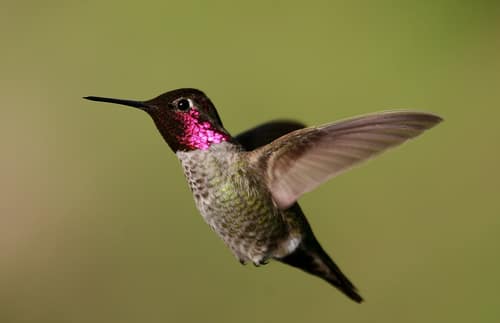
Pollinator Robert McMorran, United States Fish and Wildlife Service / Public domain · cc0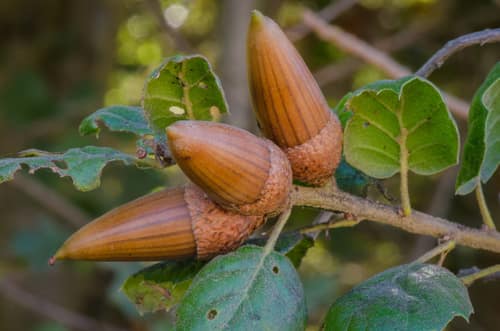
Host Plant (c) Franco Folini, some rights reserved (CC BY-SA) · cc-by-sa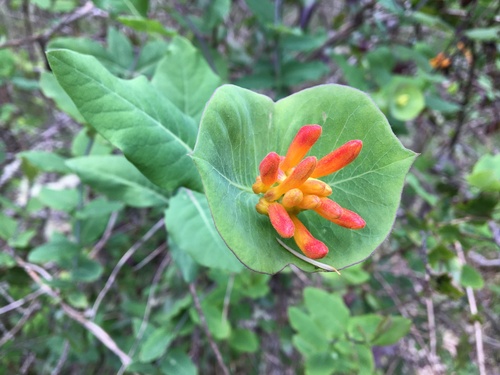
Close Relative (c) Ed Alverson, some rights reserved (CC BY) · cc-by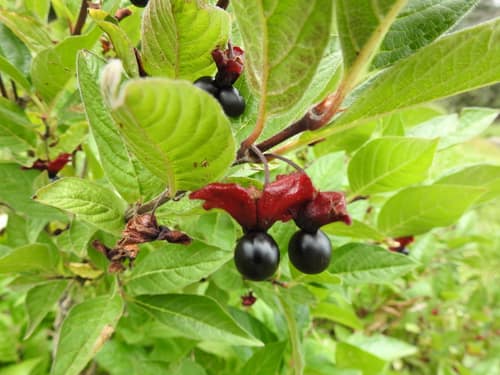
Close Relative (c) Laura Gaudette, some rights reserved (CC BY), uploaded by Laura Gaudette · cc-by
Help improve the field guideSomething wrong?
Checking your Fauna account…Report a name, category, or profile issue for review.