
Bird
Nashville Warbler
Leiothlypis ruficapillaAlso known as Calaveras Warbler
Nashville warblers spend their days actively gleaning caterpillars and small insects from foliage, frequently flicking their short tails as they forage. Despite foraging high in the canopy during migration, breeding pairs conceal their cup nests entirely on the ground beneath moss, grass clumps, or fallen leaves. Two geographically split populations exhibit subtle differences: western birds possess brighter yellow rumps and dip their tails more persistently than eastern birds.
MigratorySongbirdInsectivore
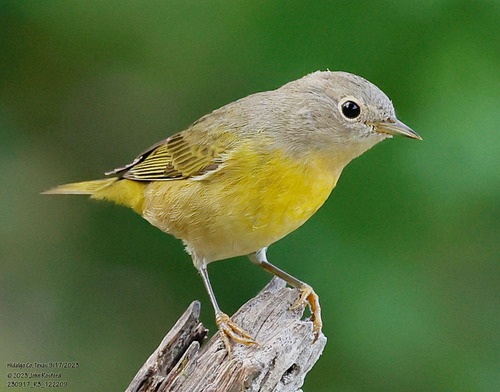
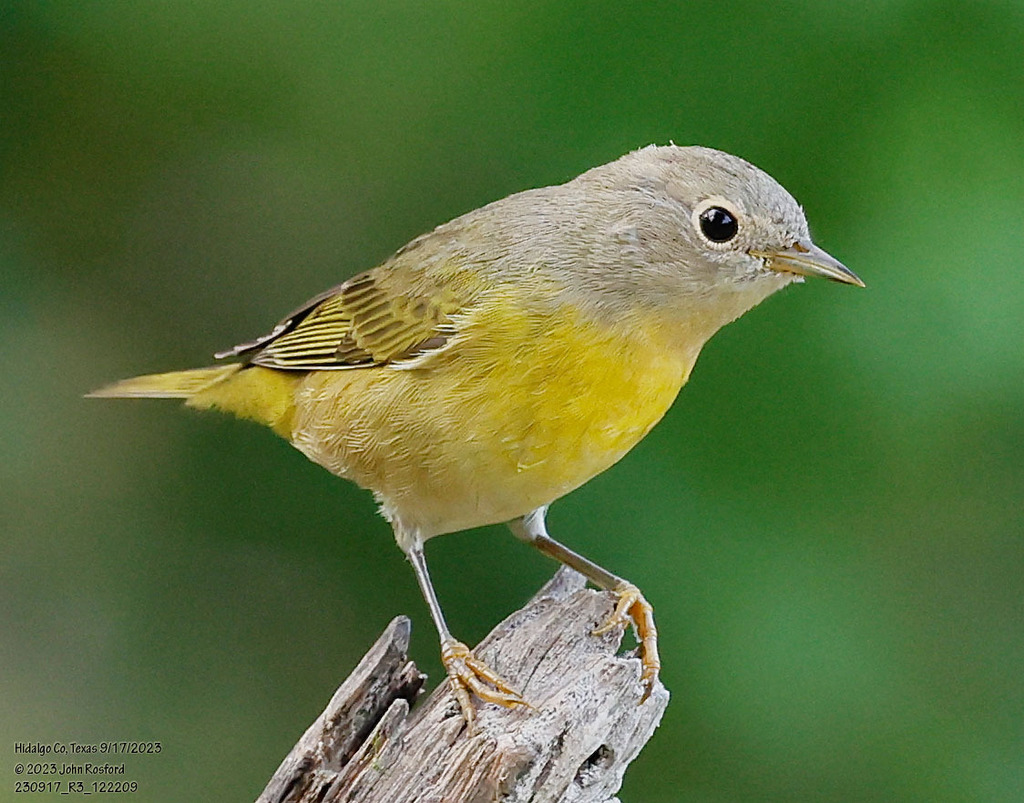
—observations
—countries
—peak records
Least ConcernConservation statusIUCN Red List categoriesLCNTVUENCREWEXLeast ConcernRed List categories, explained →
Diet & preyCaterpillars, Spiders, Leafhoppers
Predators
- Sharp-shinned Hawk
- Domestic Cat
- Eastern Chipmunk
ThreatsCollisions with artificial structures during nocturnal migration and breeding habitat loss
HabitatsBoreal bogs, second-growth mixed woodlands, shrubby clearings, and montane chaparral
Life span6–10 years
Classification
- FamilyParulidae
- SpeciesLeiothlypis ruficapilla
Range data is not available yet.
Interaction riskLow
- Low
- Moderate
- High
- Very high
- Why interaction risk is low
- Safe to observe at a normal distance.
Responsible observation
- Visual Identification: Look for the unbroken white eye-ring set against a neat gray hood and clean yellow underparts.
- Spring Song: Listen for a bouncy, two-part song resembling 'sewit-sewit-sewit, che-che-che' echoing from shrubby clearings.
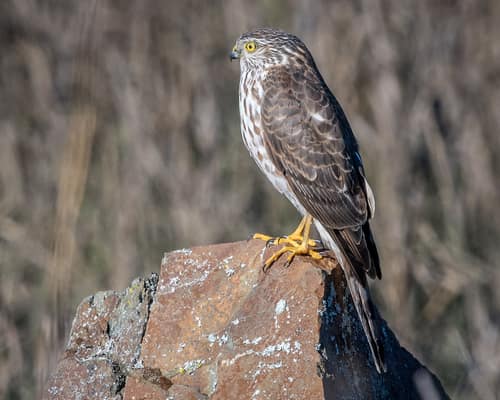
Predator "Sharp-Shinned Hawk (juvenile)" by Becky Matsubara is licensed under CC BY 2.0. To view a copy of this license, visit https://creativecommons.org/licenses/by/2.0/. · cc-by Image unavailable
Close Relative 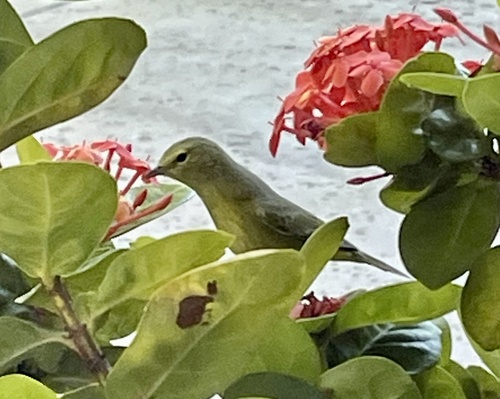
Close Relative no rights reserved · cc0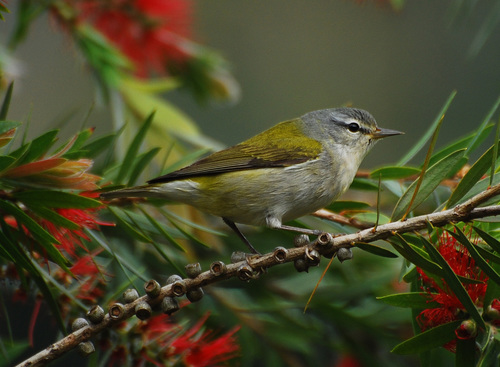
Close Relative (c) Jerry Oldenettel, some rights reserved (CC BY-SA) · cc-by-sa
Help improve the field guideSomething wrong?
Checking your Fauna account…Report a name, category, or profile issue for review.