
Arachnid
Stripe-tailed Scorpion
Paravaejovis spinigerusAlso known as Devil Scorpion
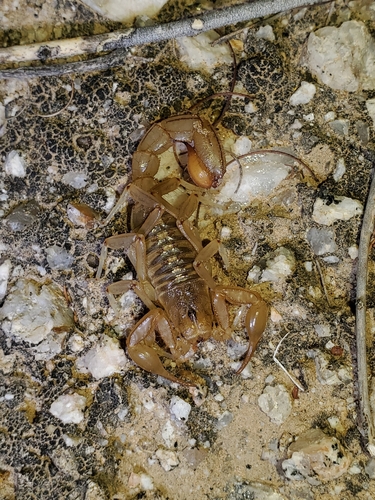
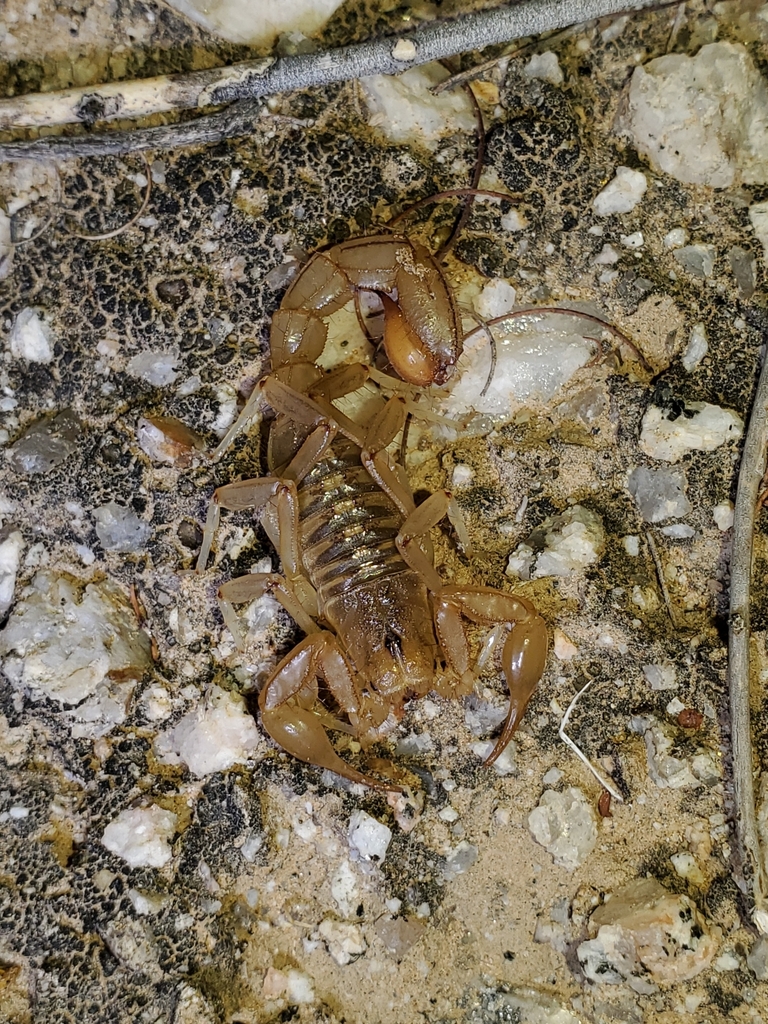
Stripe-tailed scorpions shelter beneath surface debris, flat rocks, and dead agave rosettes by day, emerging after dark to ambush soft-bodied invertebrates along the desert floor. Their thick pale tails feature distinctive brownish stripes along the ventral keels, complemented by stout pincers adapted for subduing struggling prey. Females display attentive maternal care, carrying litters of pale scorplings on their backs until the offspring undergo their first molt.
NocturnalDesert DwellerFluorescent
—observations
—countries
—peak records
Not EvaluatedConservation statusIUCN Red List categoriesLCNTVUENCREWEXNot Evaluated — not placed on the risk ladderRed List categories, explained →
Diet & preyCrickets, Beetles, Spiders
Predators
- Pallid Bat
- Southern Grasshopper Mouse
- Greater Roadrunner
ThreatsHabitat loss from urban expansion and pesticide use
HabitatsArid deserts, rocky washes, desert scrub, and canyon bottoms
Life span3–6 years
Classification
- OrderScorpiones
- FamilyVaejovidae
- GenusParavaejovis
- SpeciesParavaejovis spinigerus
Range data is not available yet.
Interaction riskVery high
- Low
- Moderate
- High
- Very high
- Why interaction risk is very high
- Possesses a mild sting like a bee sting; safe to observe at a normal distance.
Responsible observation
- UV Spotting: Search rocky Sonoran washes after nightfall using a blacklight to illuminate their cyan glow.
- Shelter Awareness: Avoid flipping loose stones or fallen desert timber using bare hands.
- Footwear Prudence: Wear closed-toe shoes when wandering desert terrain or campsites after dark.
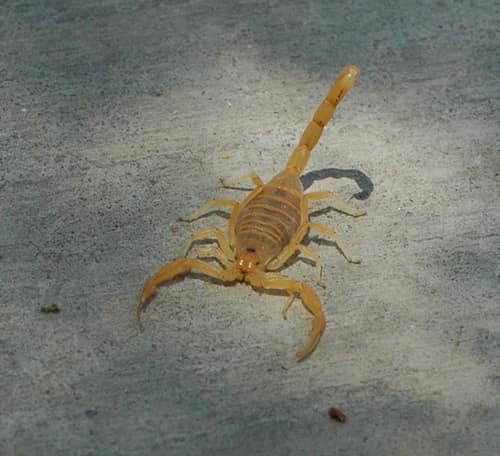
Competitor Musides (talk) / CC BY-SA 3.0 · cc-by-sa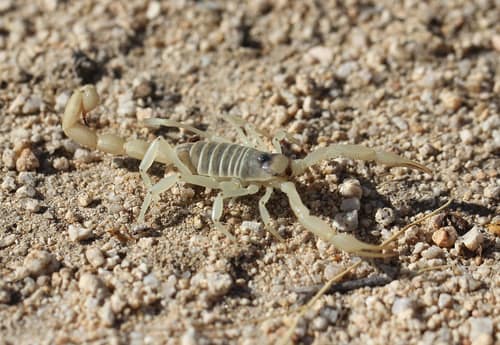
Predator "Giant Hairy Scorpion, Hadrurus sp." by Joshua Tree National Park is marked with Public Domain Mark 1.0. To view the terms, visit https://creativecommons.org/publicdomain/mark/1.0/. · cc0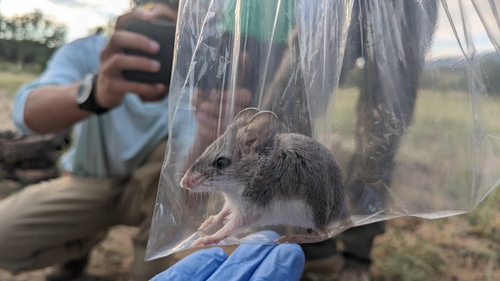
Predator (c) Olivia Guswiler, some rights reserved (CC BY) · cc-by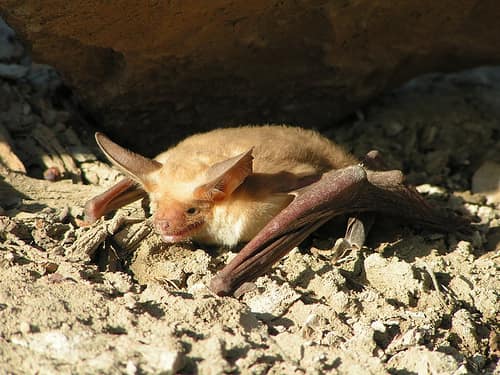
Predator (c) Keaton Wilson, some rights reserved (CC BY) · cc-by
Keep collecting in Fauna
Found in Collections
Ecosystem chain Pro
Desert Sands
Stripe-tailed Scorpion is found in this collection. Identify it in Fauna to fill this slot and continue your progress.
Unlock to track progress
Help improve the field guideSomething wrong?
Checking your Fauna account…Report a name, category, or profile issue for review.