
Fungus · GBIF taxon 7518425
Hymenopellis furfuracea
Hymenopellis furfuraceaAlso known as Deep Root Mushroom, Rooting Shank, Rooted Collybia, Furrowed Xerula
Deep root mushrooms emerge near decaying hardwood roots, anchoring into the soil with a remarkably long, taproot-like underground stem. Their glossy caps range from greyish brown to beige and display delicate, radially furrowed wrinkles that become sticky when wet. Widely distributed across eastern North America, these solitary mushrooms act as vital decomposers of buried forest timber.
SaprobicWoodlandRooted Stem
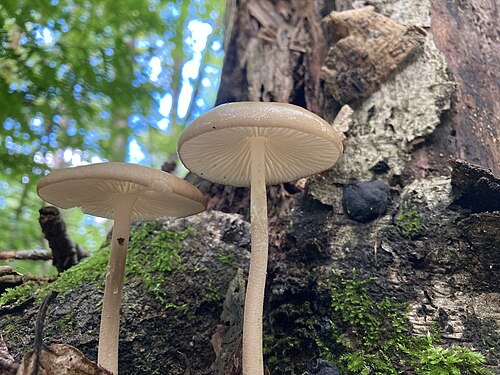
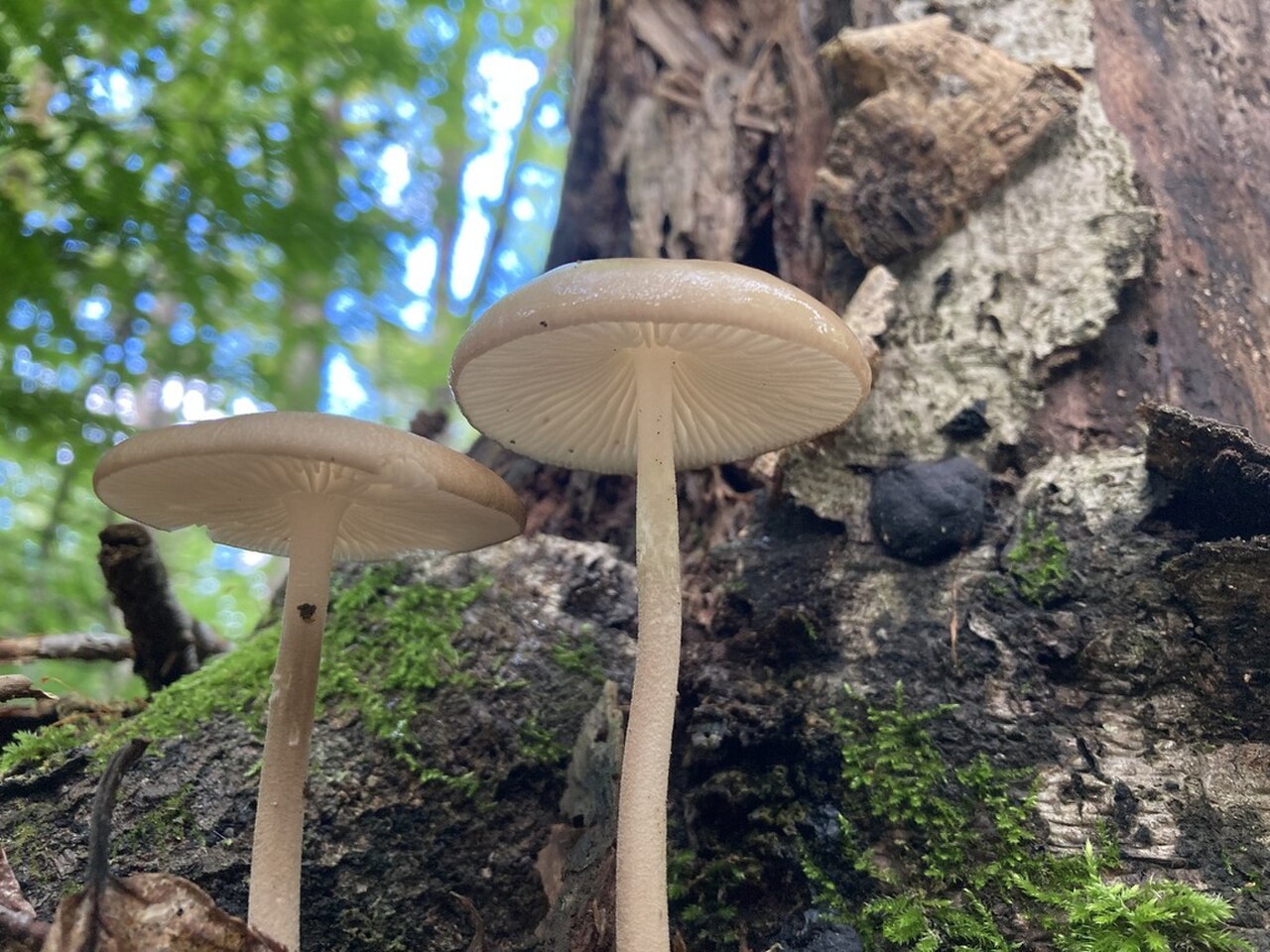
Licensed referencespankythewonderdog / CC BY 4.0 · cc-by
—observations
—countries
—peak records
Not EvaluatedConservation statusIUCN Red List categoriesLCNTVUENCREWEXNot Evaluated — not placed on the risk ladderRed List categories, explained →
Diet & prey
- Saprotrophic (decomposes subterranean wood)
Predators
- Fungus gnats
- Slugs
- Forest rodents
ThreatsSevere forest clear-cutting and soil compaction
HabitatsHardwood forests, parks, and wooded lawns
Life spanFruiting bodies last 5–10 days
Classification
- OrderAgaricales
- FamilyPhysalacriaceae
- GenusHymenopellis
- SpeciesHymenopellis furfuracea
Range data is not available yet.
Interaction riskLow
- Low
- Moderate
- High
- Very high
- Why interaction risk is low
- Many wild mushrooms have toxic look-alikes; never eat wild fungi based on app identification alone.
Responsible observation
- Examine the Stem Base: Gently unearth surrounding soil to trace the long, subterranean taproot.
- Check Cap Texture: Look for fine radial wrinkles and a moist, slightly tacky surface.
- Observe Spore Color: Perform a spore print on dark paper to reveal pure white spores.
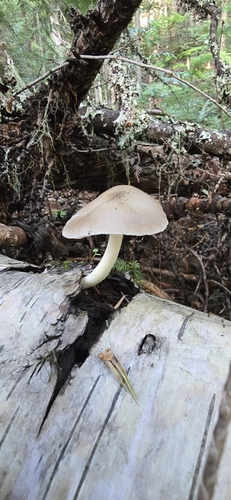
Frequent Companion no rights reserved · cc0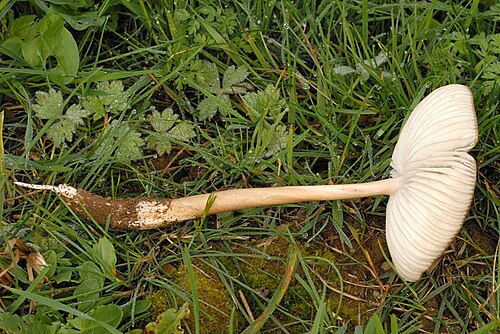
Close Relative James Lindsey / CC BY-SA 3.0 · cc-by-sa Image unavailable
Close Relative
Help improve the field guideSomething wrong?
Checking your Fauna account…Report a name, category, or profile issue for review.