
Insect
Common Cicada
Lyristes plebejusAlso known as Great Cicada, Mediterranean Cicada, European Cicada
Emerging in late spring after years feeding underground on tree roots, adults gather high in woodland canopies across the Mediterranean. Males produce a deafening, rhythmic buzz using abdominal tymbal organs to attract females during the heat of sunny afternoons. Their discarded nymphal skins remain clinging to tree bark long after the short lived adults have finished mating.
InsectsArborealLoud Singer


—observations
—countries
—peak records
Least ConcernConservation statusIUCN Red List categoriesLCNTVUENCREWEXLeast ConcernRed List categories, explained →
Diet & preyOlive tree sap, Pine tree sap, Oak tree sap
Predators
- Birds
- Praying Mantises
- Spiders
ThreatsHabitat destruction, heavy pesticide use, and land clearing
HabitatsWoodlands, shrublands, olive groves, and orchards
Life span3 to 5 years (mostly underground as nymphs; adults live 2 to 4 weeks)
Classification
- FamilyCicadidae
- SpeciesLyristes plebejus
Range data is not available yet.
Interaction riskLow
- Low
- Moderate
- High
- Very high
- Why interaction risk is low
- Safe to observe at a normal distance.
Responsible observation
- Listen in midsummer: Males sing loudest during the peak heat of sunny afternoons on tree trunks.
- Look for exuviae: Search lower bark and grass stems for empty brown nymphal shells.
- Approach carefully: Stalk singing adults slowly to avoid startling them into abrupt flight.
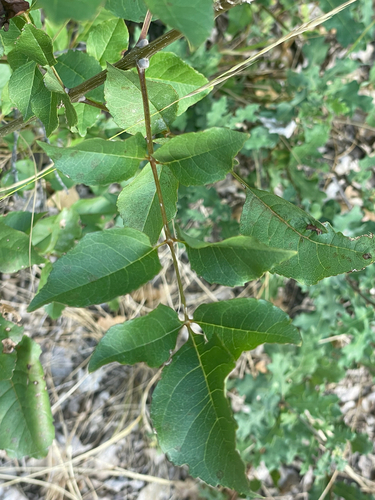
Host Plant (c) Ioannis Magouras, some rights reserved (CC BY) · cc-by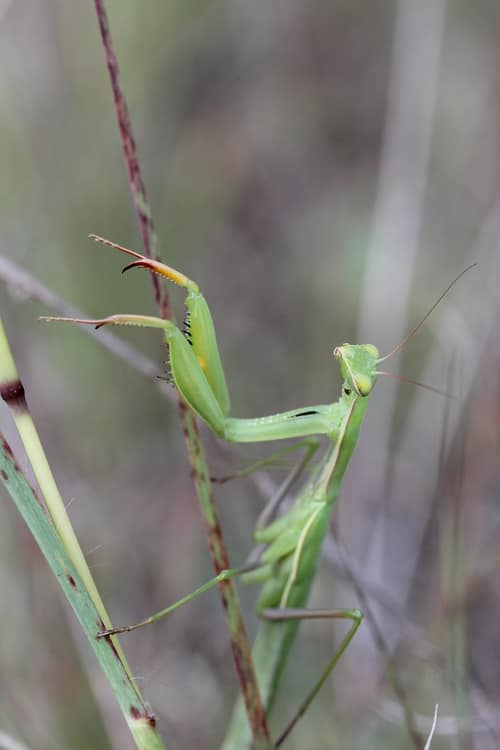
Predator "European Mantis - Mantis religiosa" by Björn S... is licensed under CC BY-SA 2.0. To view a copy of this license, visit https://creativecommons.org/licenses/by-sa/2.0/. · cc-by-sa
Host Plant Karora / Public domain · cc0
Close Relative Sputniktilt / CC BY-SA 4.0 · cc-by-sa
Help improve the field guideSomething wrong?
Checking your Fauna account…Report a name, category, or profile issue for review.