
Plant
Sexton's Bride
Rhaphiolepis umbellataAlso known as Yeddo Hawthorn, Japanese Hawthorn
Dense, salt-tolerant evergreen foliage equips this maritime shrub to thrive along wind-swept coasts and rocky headlands across East Asia. In late spring, rounded clusters of fragrant white blossoms open to draw visiting bees, later maturing into small, blue-black pomes favored by wintering birds. The leathery, thick leaves feature slightly rolled edges that shield inner tissues from drying winds and ocean salt spray.
EvergreenCoastalFlowering
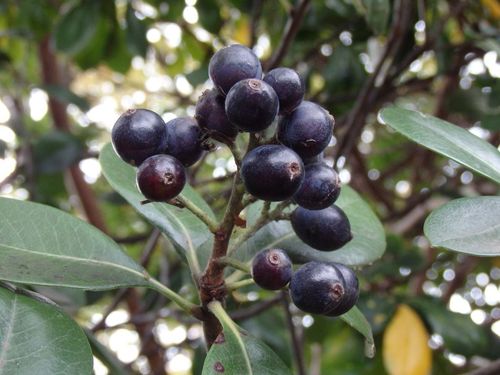
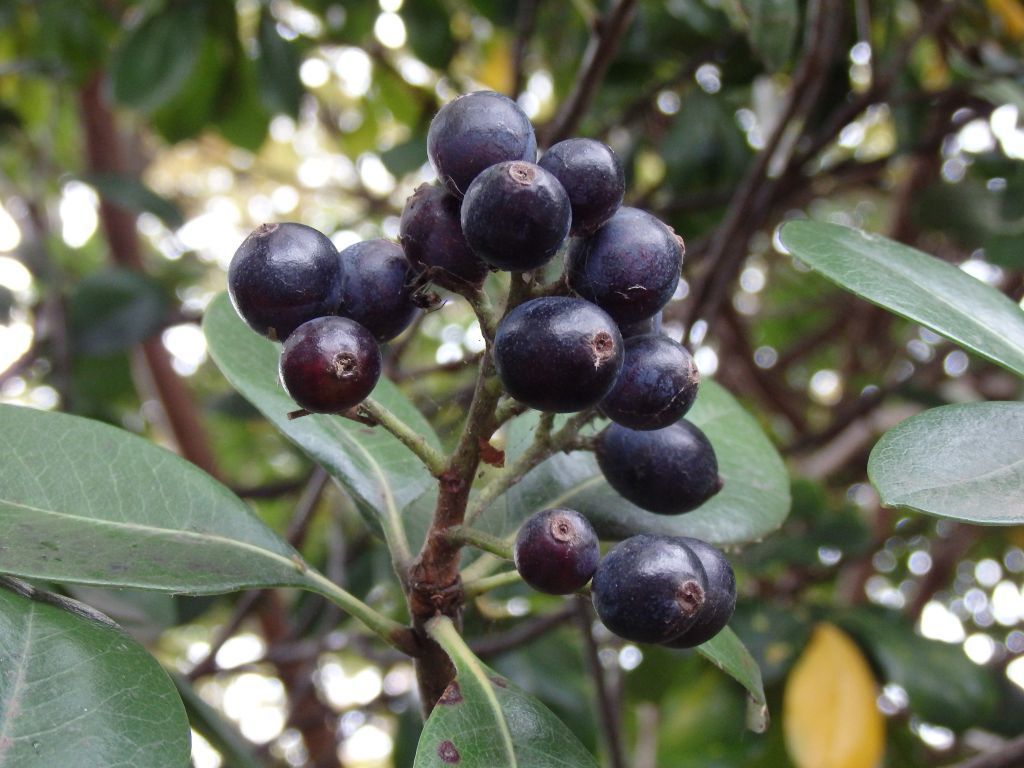
—observations
—countries
—peak records
Least ConcernConservation statusIUCN Red List categoriesLCNTVUENCREWEXLeast ConcernRed List categories, explained →
Diet & preyAutotrophic (photosynthesis)
Predators
- Sika deer
- Scale insects
- Spider mites
ThreatsCoastal development, shoreline erosion, habitat alteration
HabitatsCoastal cliffs, maritime scrub, rocky shorelines, forest margins
Life span30–50 years
Classification
- OrderRosales
- FamilyRosaceae
- GenusRhaphiolepis
- SpeciesRhaphiolepis umbellata
Range data is not available yet.
Interaction riskLow
- Low
- Moderate
- High
- Very high
- Why interaction risk is low
- Wild berries have toxic look-alikes; never eat based on app identification alone.
Responsible observation
- Landscape Placement: Site in full sun and well-draining soil to promote maximum flowering and strong wind resistance.
- Maintenance Pruning: Trim selectively immediately after the spring bloom to avoid removing developing flower buds for next year.
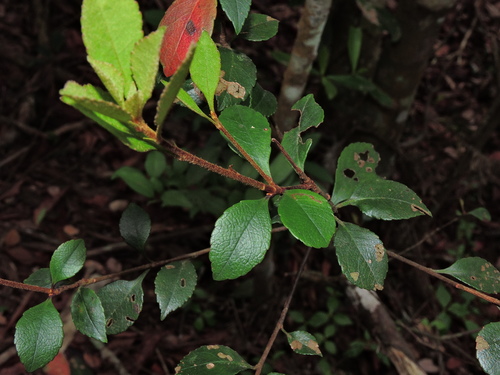
Close Relative (c) Jacy Chen, some rights reserved (CC BY), uploaded by Jacy Chen · cc-by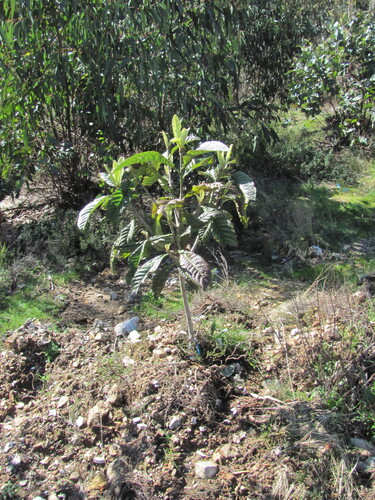
Same Family (c) zebedeugalinha, some rights reserved (CC BY) · cc-by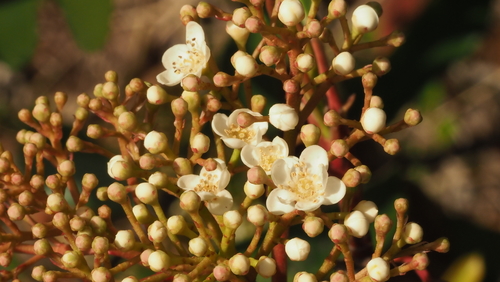
Same Family no rights reserved · cc0
Help improve the field guideSomething wrong?
Checking your Fauna account…Report a name, category, or profile issue for review.