
Plant
Chinese Banyan
Ficus microcarpaAlso known as Curtain Fig, Indian Laurel, Hill's Weeping Fig, Malayan Banyan
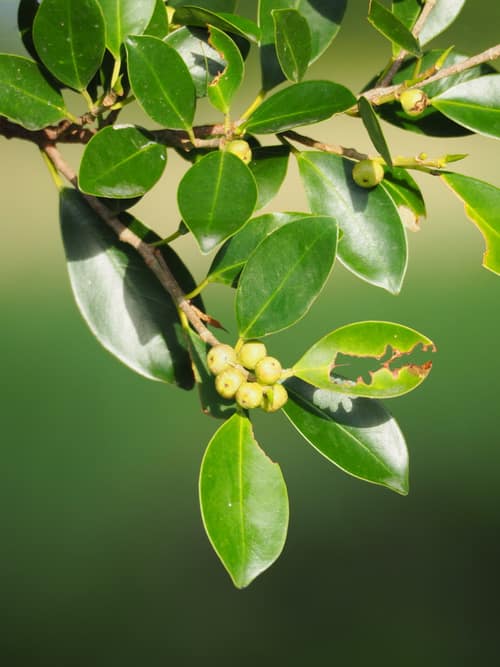
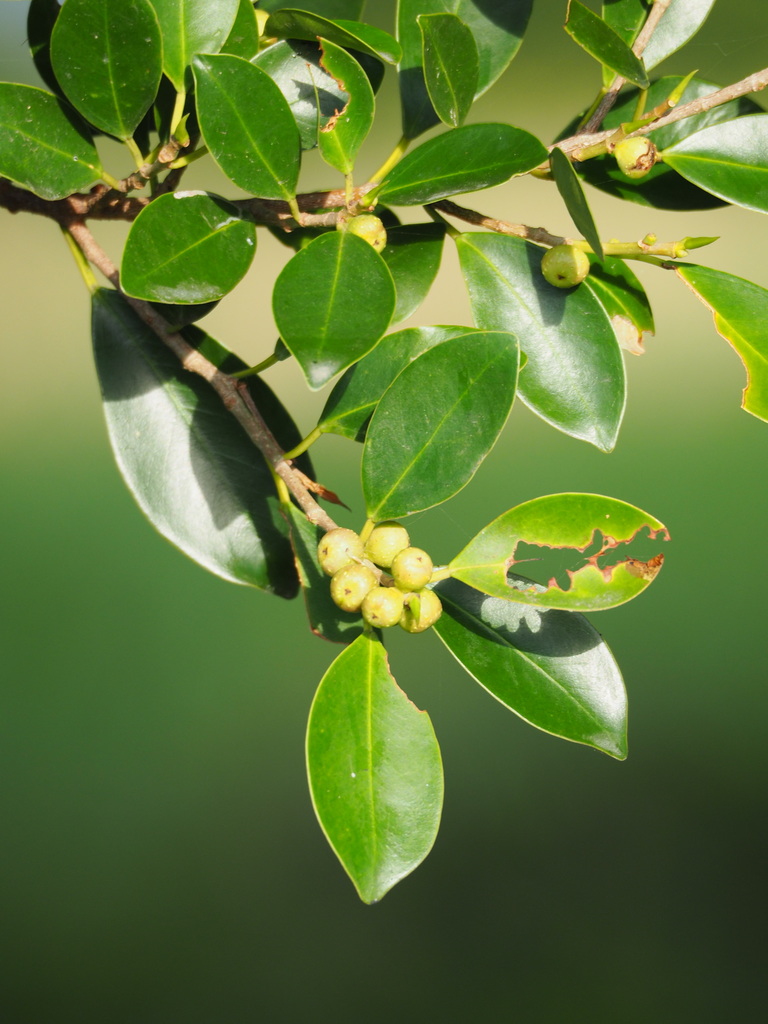
Chinese banyan spreads a massive, dense canopy anchored by curtain-like aerial roots that drop from heavy limbs to form secondary supporting trunks. In urban landscapes, its aggressive roots readily envelop masonry, pavements, and neighboring trees in a classic epiphytic strangling habit. The tree maintains a vital ecological partnership with its obligate pollinator wasp while providing abundant fruit for local birds and bats.
EvergreenUrban FloraAerial Roots
—observations
—countries
—peak records
Least ConcernConservation statusIUCN Red List categoriesLCNTVUENCREWEXLeast ConcernRed List categories, explained →
Diet & preySunlight, Water, Soil Minerals
Predators
- Cuban Laurel Thrips
- Frugivorous Birds
- Fruit Bats
ThreatsHabitat fragmentation in native range, management as an invasive exotic elsewhere
HabitatsTropical forests, coastal woodlands, urban parks, masonry structures
Life span100–500+ years
Classification
- OrderRosales
- FamilyMoraceae
- GenusFicus
- SpeciesFicus microcarpa
Range data is not available yet.
Interaction riskHigh
- Low
- Moderate
- High
- Very high
- Why interaction risk is high
- Milky sap irritates skin and parts are toxic to pets; wild fruits have toxic look-alikes.
- Why it is dangerous
- Produces a milky latex sap containing ficin and furocoumarins that cause skin irritation and gastrointestinal distress in pets.
- How to recognize a risky encounter
- Recognized by dense curtain-like aerial roots descending from wide branches and small, oval, glossy leaves.
- What to do
- Avoid cutting bark barehanded and prevent pets from chewing on fallen leaves or figs.
Responsible observation
- Urban Planting: Provide wide clearance from sidewalks and foundations to prevent root damage.
- Pruning Care: Wear protective gloves when trimming to avoid skin contact with irritating sap.
- Wildlife Spotting: Scan the canopy during fruiting periods to observe roosting fruit bats and birds.
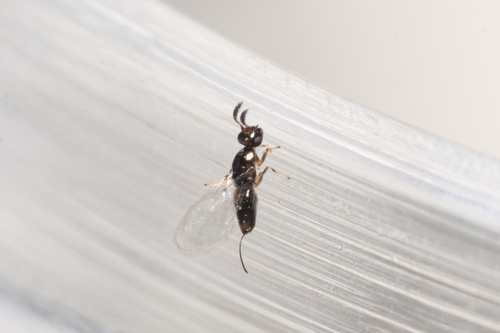
Pollinator (c) Eleftherios Katsillis, some rights reserved (CC BY) · cc-by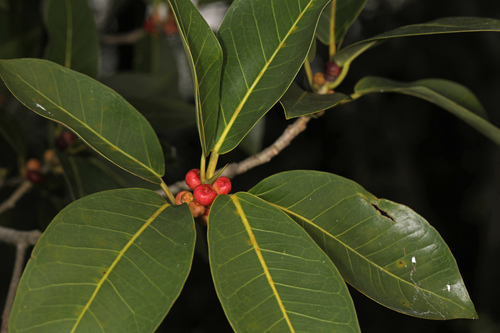
Close Relative (c) Judy Gallagher, some rights reserved (CC BY-SA), uploaded by Judy Gallagher · cc-by-sa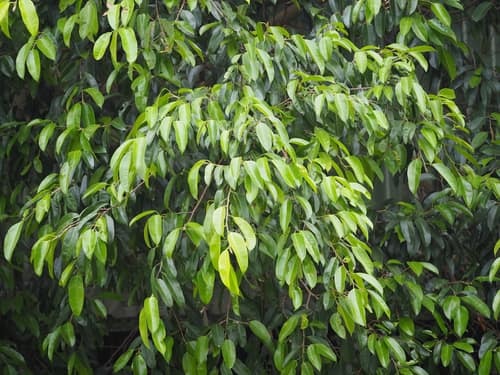
Close Relative no rights reserved, uploaded by 葉子 · cc0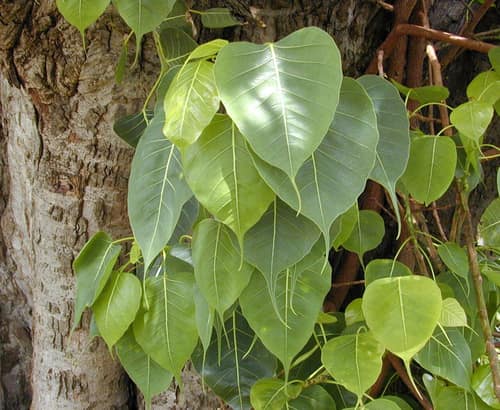
Close Relative Eric Guinther / CC BY-SA 3.0 · cc-by-sa
Help improve the field guideSomething wrong?
Checking your Fauna account…Report a name, category, or profile issue for review.