
Reptile · GBIF taxon 7451150
Pinta Island Tortoise
Chelonoidis abingdoniiAlso known as Pinta Giant Tortoise, Abingdon Island Tortoise, Abingdon Island Giant Tortoise
Pinta Island tortoises evolved a distinct saddleback carapace with a high anterior rim that allowed them to stretch their exceptionally long necks upward to browse tree cacti and elevated woody shrubs. These gentle giants served as keystone herbivores, shaping plant communities and dispersing seeds across the arid volcanic terrain of Pinta Island. The taxon captured global attention through Lonesome George, the last known purebred individual, who survived until 2012 as an international symbol of conservation urgency.
ReptileHerbivore
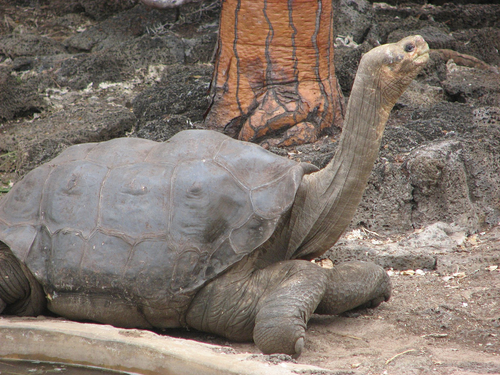
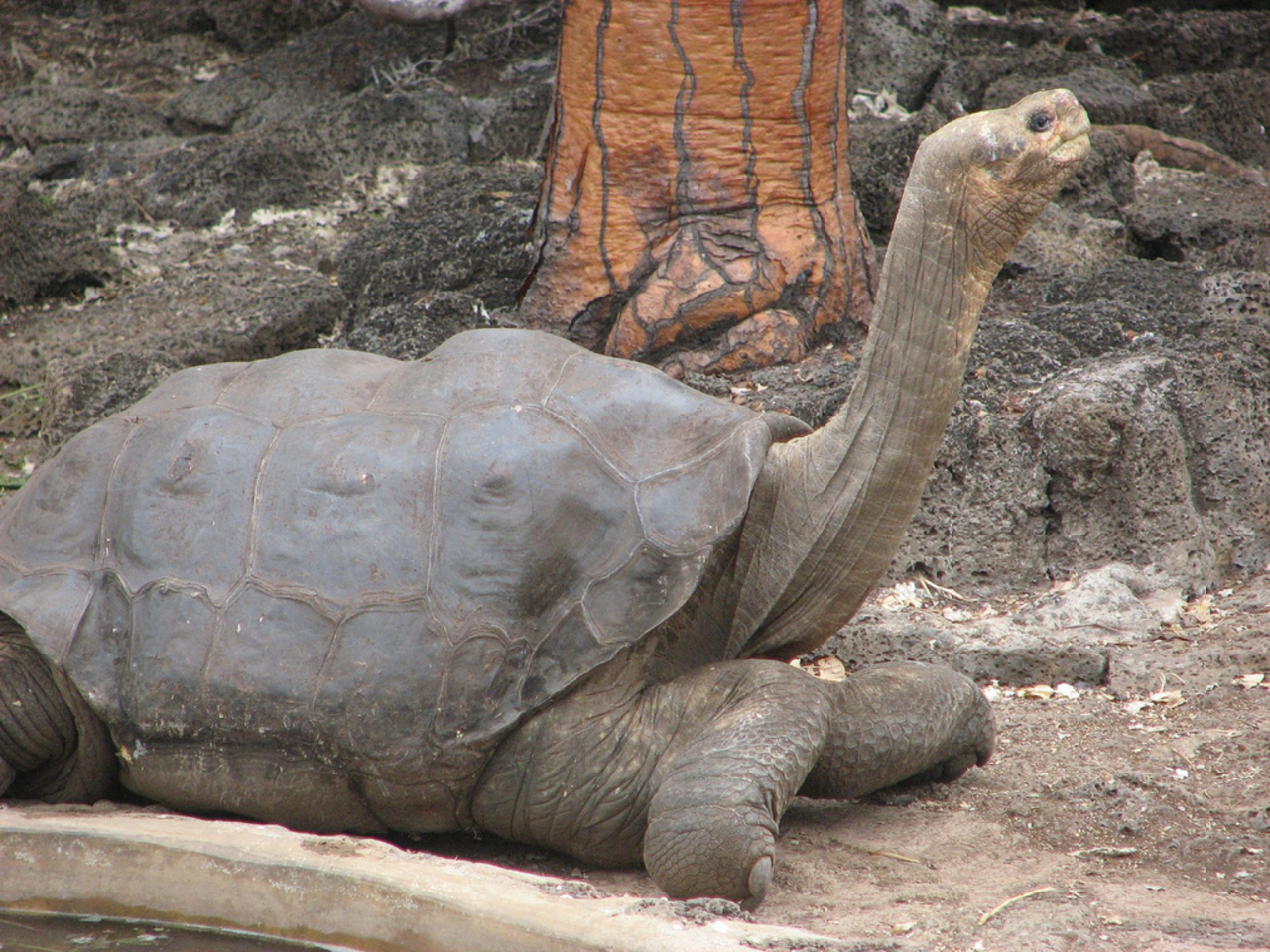
Licensed referenceMike Weston / CC BY 2.0 · cc-by
—observations
—countries
—peak records
ExtinctConservation statusIUCN Red List categoriesLCNTVUENCREWEXExtinctRed List categories, explained →
Diet & prey
- Opuntia cactus
- Native grasses
- Fallen berries
Predators
- Galápagos hawk
- Feral dog
- Feral pig
ThreatsHistorical overharvesting by sailors, habitat destruction by feral goats
HabitatsArid lowlands, deciduous dry forests, volcanic slopes
Life span100–150 years
Classification
- FamilyTestudinidae
- SpeciesChelonoidis abingdonii
Range data is not available yet.
Interaction riskLow
- Low
- Moderate
- High
- Very high
- Why interaction risk is low
- Safe to observe at a normal distance.
Responsible observation
- Museum Etiquette: View taxidermy specimens and historical exhibits behind protective glass without flash photography.
- Biosecurity Compliance: Adhere strictly to Galápagos quarantine rules to prevent non-native pests from harming surviving tortoise species.
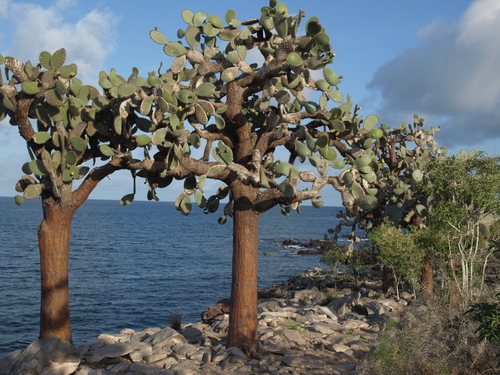
Food Plant (c) Jim Morefield, some rights reserved (CC BY), uploaded by Jim Morefield · cc-by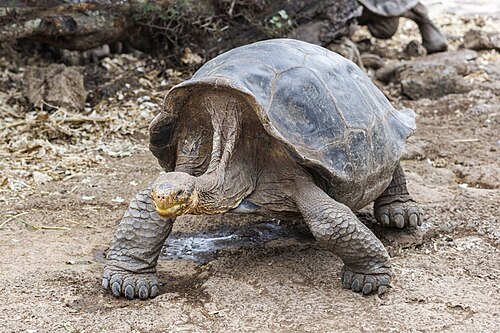
Close Relative E bailey / CC BY-SA 4.0 · cc-by-sa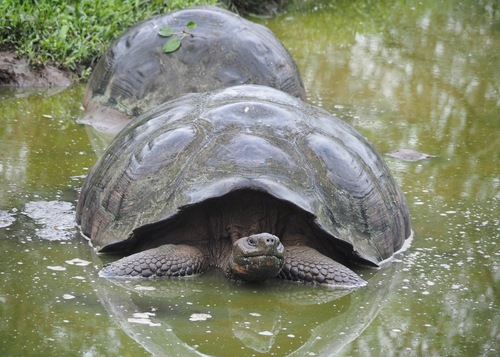
Close Relative (c) John G. Phillips, some rights reserved (CC BY), uploaded by John G. Phillips · cc-by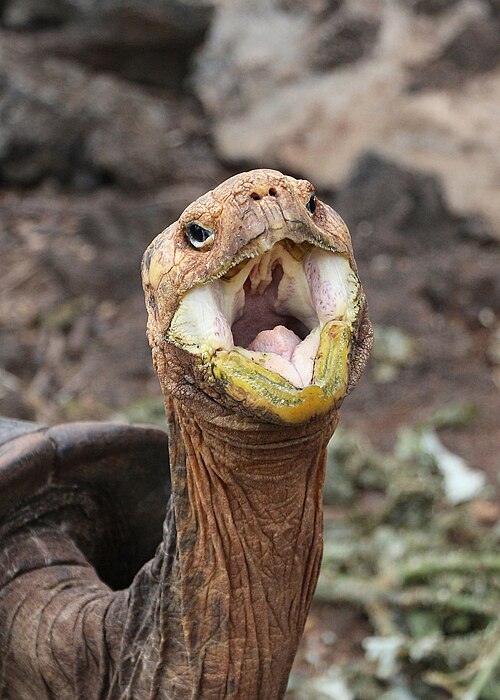
Close Relative Bernard Gagnon / CC BY-SA 4.0 · cc-by-sa
Help improve the field guideSomething wrong?
Checking your Fauna account…Report a name, category, or profile issue for review.