
Fungus · GBIF taxon 7440012
Baker's Yeast
Saccharomyces cerevisiaeAlso known as Brewer's Yeast, Budding Yeast, Ale Yeast, Top-fermenting Yeast
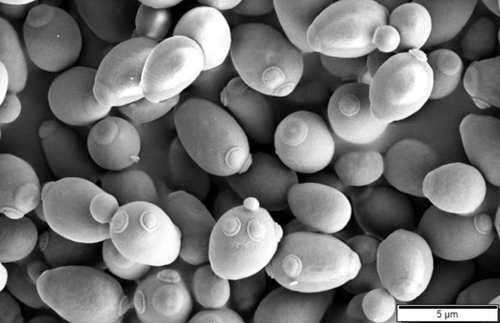
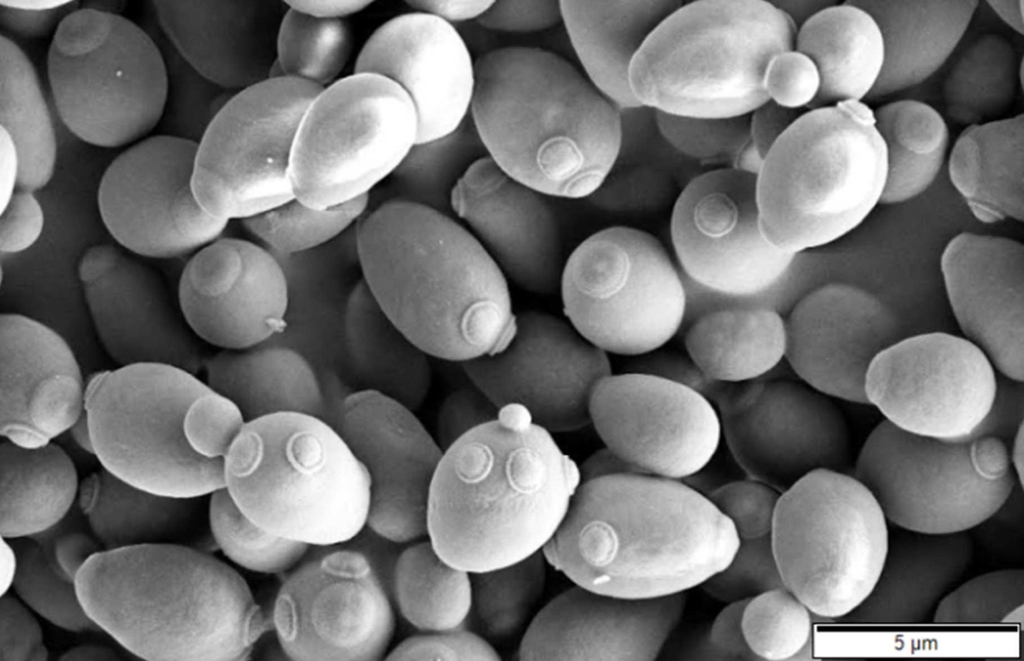
Baker's yeast cells lead solitary, microscopic lives on sugary plant tissues and in human fermenters, proliferating rapidly through asymmetrical cell division known as budding. Under nutrient deprivation, cells shift into sexual reproduction to generate resilient four-spored asci that withstand desiccation until conditions improve. Beyond revolutionizing food production, this organism serves as the foundational eukaryotic model in molecular genetics and cell biology.
MicroscopicFermentingSingle-Celled
 1 / 7
1 / 7—observations
—countries
—peak records
Not EvaluatedConservation statusIUCN Red List categoriesLCNTVUENCREWEXNot Evaluated — not placed on the risk ladderRed List categories, explained →
Diet & prey
- Glucose
- Fructose
- Maltose
Predators
- Ciliated protozoans
- Free-living amoebae
- Soil nematodes
ThreatsOsmotic shock, competition from wild bacterial strains, and elevated alcohol toxicity
HabitatsFruit skins, oak tree bark, floral nectar, and fermentation vessels worldwide
Life span20–30 budding generations per mother cell; dormant spores survive years
Size / weightNot available
Classification
- OrderSaccharomycetales
- FamilySaccharomycetaceae
- GenusSaccharomyces
- SpeciesSaccharomyces cerevisiae
Range data is not available yet.
Interaction riskLow
- Low
- Moderate
- High
- Very high
- Why interaction risk is low
- Safe to handle; wild fungi have toxic look-alikes, so never eat wild fungi based on app identification alone.
Responsible observation
- Observation: View individual cells and budding chains under a compound light microscope at 400x magnification.
- Culturing: Provide warm water and cane sugar to trigger rapid carbon dioxide release and active bubbling.
 Image unavailable
Competitor Competitor Close Relative Close Relative Close Relative
Help improve the field guideSomething wrong?
Checking your Fauna account…Report a name, category, or profile issue for review.