
Plant
Lucky Bamboo
Dracaena sanderianaAlso known as Ribbon Plant, Belgian Evergreen, Sander's Dracaena, Ribbon Dracaena
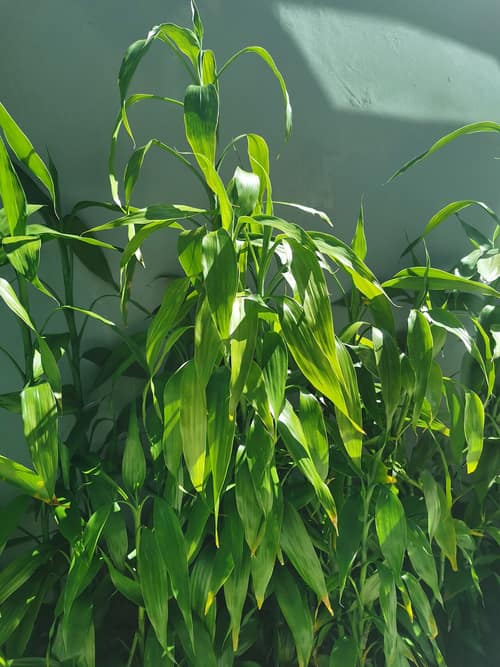
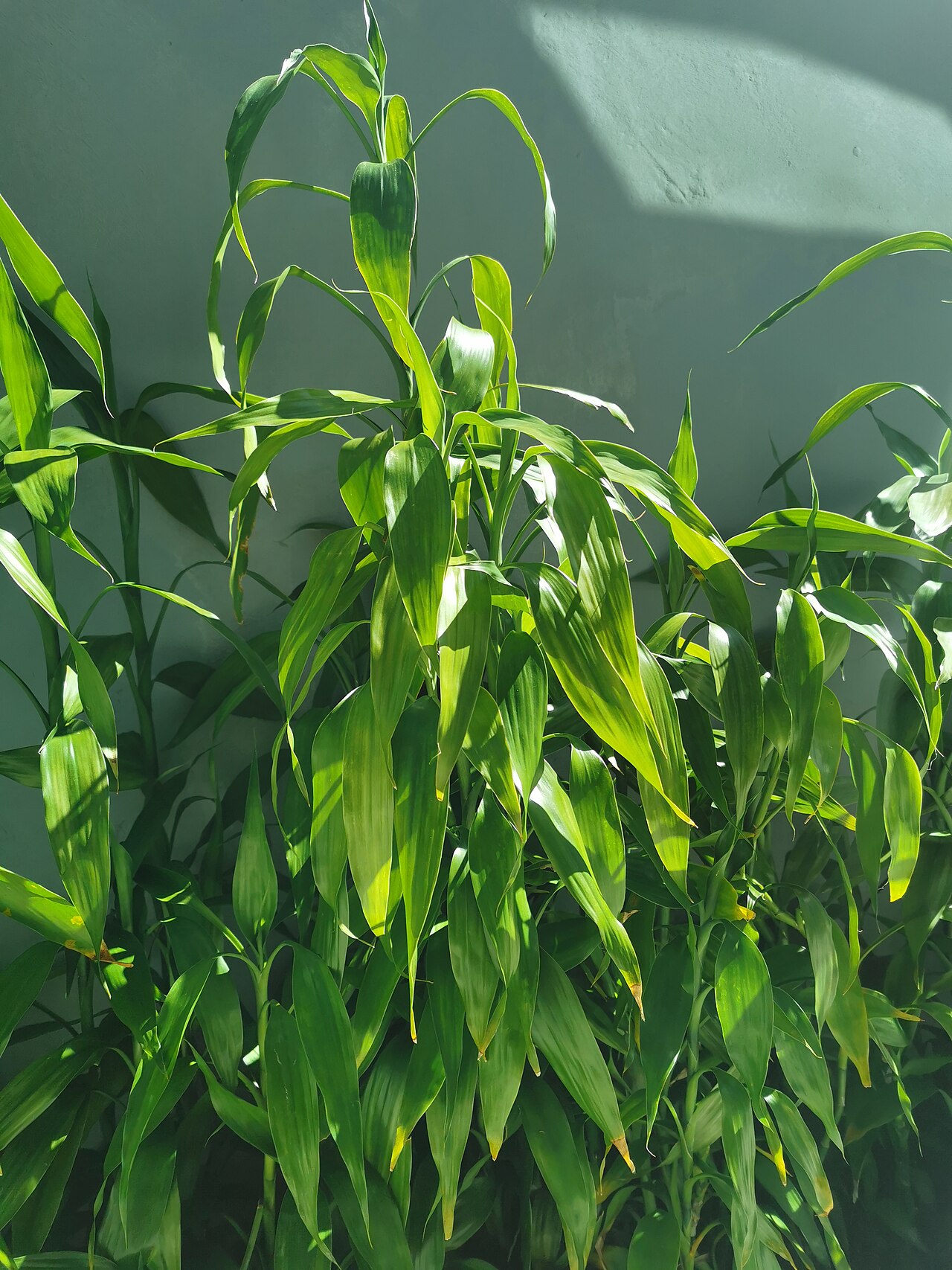
Lucky bamboo is an evergreen understory shrub native to the humid tropical rainforests of Central Africa, where it thrives beneath dense canopy cover along stream banks and valley floors. Despite its popular common name, it is a true monocot related to asparagus and agaves rather than grasses, forming upright cane-like stems with prominent leaf nodes. In cultivation worldwide, stems are frequently grown directly in water and trained into decorative coils, braids, or tiered pyramids that symbolize prosperity and good fortune in Feng Shui practices.
HouseplantTropicalEvergreen
—observations
—countries
—peak records
VulnerableConservation statusIUCN Red List categoriesLCNTVUENCREWEXVulnerableRed List categories, explained →
Diet & preyAutotrophic (photosynthetic)
Predators
- Spider mites
- Mealybugs
- Scale insects
ThreatsAgricultural expansion, commercial logging, habitat degradation
HabitatsTropical lowland rainforests, river valleys, shaded understory
Life span10–30+ years
Classification
- OrderAsparagales
- FamilyAsparagaceae
- GenusDracaena
- SpeciesDracaena sanderiana
Range data is not available yet.
Interaction riskHigh
- Low
- Moderate
- High
- Very high
- Why interaction risk is high
- Toxic to dogs and cats if ingested; keep out of reach of household pets.
- Why it is dangerous
- Contains steroidal saponins that irritate the digestive tract, inducing vomiting, drooling, weakness, and dilated pupils in domestic pets.
- How to recognize a risky encounter
- Slender upright green stalks marked by bamboo-like rings, topped by clusters of lance-shaped, arching foliage.
- What to do
- Keep stems out of reach of cats and dogs, and consult a veterinarian immediately if plant tissues are chewed.
- What to notice
- Occurs wild as a sparse understory shrub along primary rainforest streams in Cameroon, Gabon, and neighboring countries.
- Support conservation
- Source potted specimens exclusively from established horticultural nurseries that propagate plants vegetatively.
Responsible observation
- Light Exposure: Provide bright indirect sunlight to prevent leaf scorch while sustaining healthy green coloration.
- Water Quality: Use filtered or rainwater for water-grown canes, as municipal chlorine and fluoride burn leaf tips.
- Pet Safety: Place arrangements on elevated surfaces safely away from curious cats and dogs.
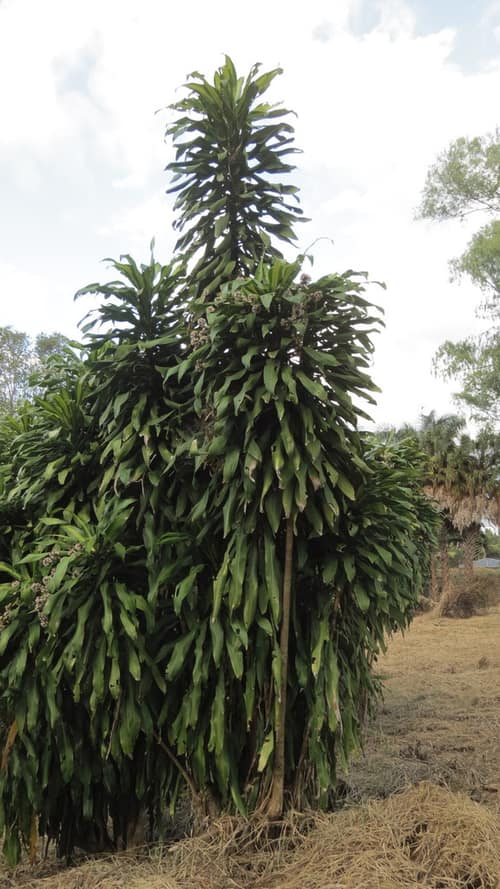
Close Relative no rights reserved, uploaded by maryury · cc0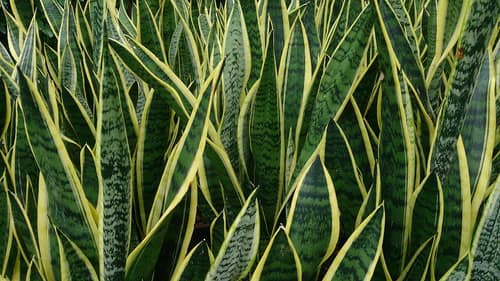
Close Relative Mokkie / CC BY-SA 3.0 · cc-by-sa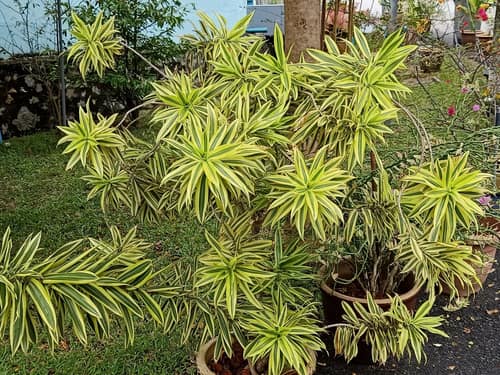
Close Relative (c) Ong Jyh Seng, some rights reserved (CC BY-SA), uploaded by Ong Jyh Seng · cc-by-sa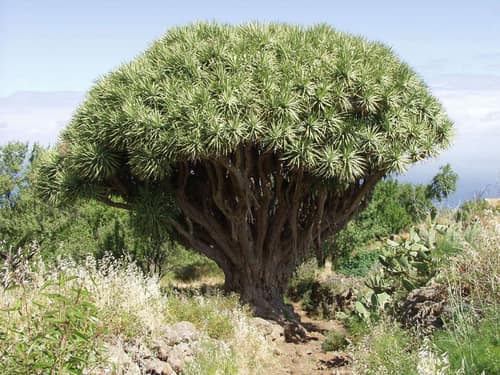
Close Relative no rights reserved, uploaded by Ina Siebert · cc0
Help improve the field guideSomething wrong?
Checking your Fauna account…Report a name, category, or profile issue for review.