
Bird · GBIF taxon 7415507
Tennessee Warbler
Leiothlypis peregrinaTennessee warblers are energetic migratory songbirds known for their plain, olive-green plumage and intense reliance on spruce budworm outbreaks during the boreal summer. Breeding males display a crisp gray crown with a sharp dark eyeline, bursting into a loud, staccato, three-part song from the high canopy. During autumn migration and on tropical wintering grounds, they shift to drinking nectar and joining mixed-species foraging flocks in shade-coffee plantations.
MigratorySongbirdInsectivore
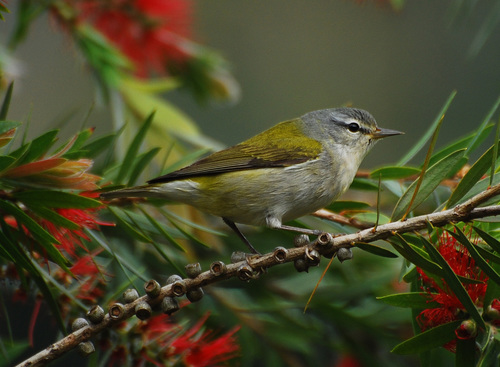
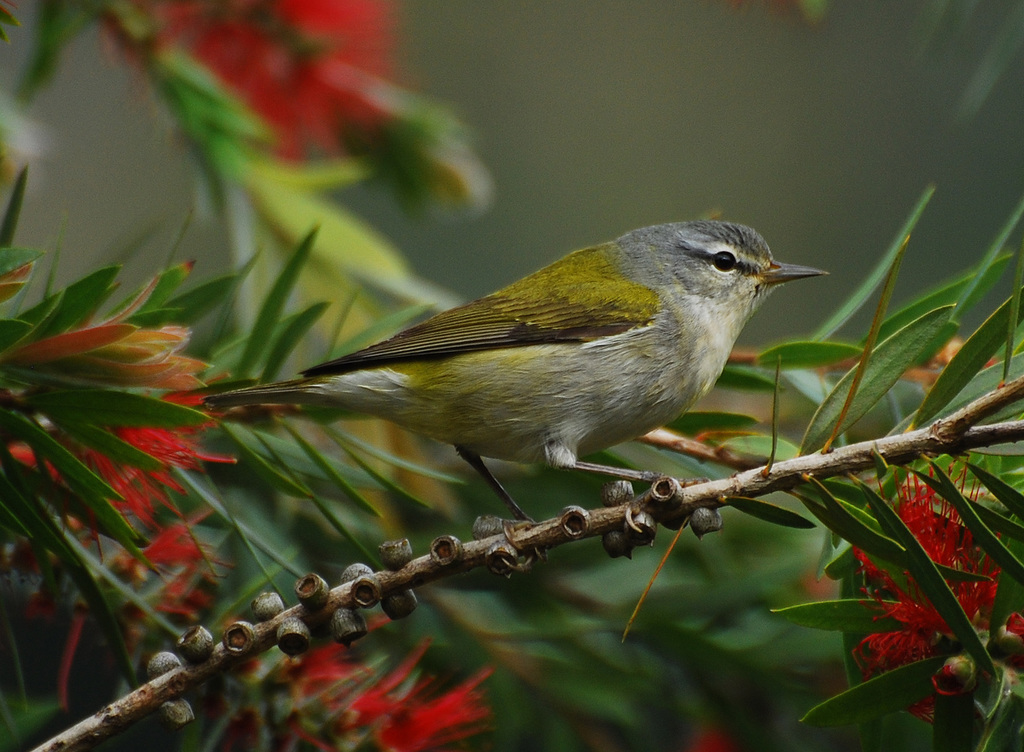
—observations
—countries
—peak records
Least ConcernConservation statusIUCN Red List categoriesLCNTVUENCREWEXLeast ConcernRed List categories, explained →
Diet & prey
- Spruce budworms
- Caterpillars
- Spiders
Predators
- Hawks
- Domestic cats
- Owls
ThreatsWindow collisions, habitat loss, pesticides
HabitatsBoreal forest, open woodlands, coffee plantations
Life span3–7 years
Classification
- OrderPasseriformes
- FamilyParulidae
- GenusLeiothlypis
- SpeciesLeiothlypis peregrina
Range data is not available yet.
Interaction riskLow
- Low
- Moderate
- High
- Very high
- Why interaction risk is low
- Safe to observe at a normal distance.
Responsible observation
- Spring Listening: Listen for their loud, accelerating three-part trill coming high from mature hardwood or boreal canopies.
- Habitat Spotting: Look for them along forest edges and flowering trees during migration as they probe blossoms for nectar.
- Patience in Fall: Scan mixed warbler flocks carefully in autumn, as drab juveniles blend seamlessly into green foliage.
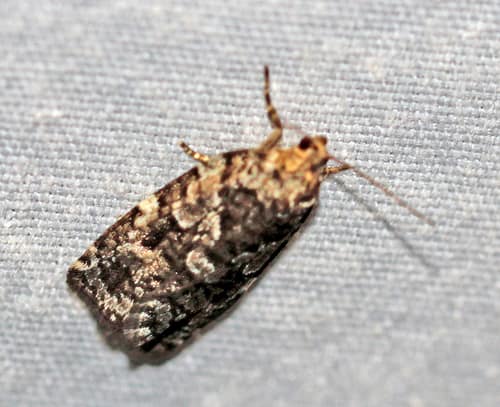
Major Food Source no rights reserved · cc0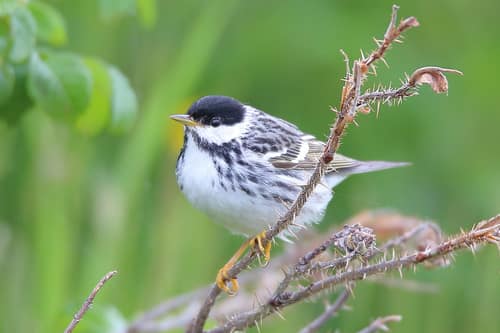
Migratory Companion "Blackpoll Warbler" by Scott Heron is licensed under CC BY-SA 2.0. To view a copy of this license, visit https://creativecommons.org/licenses/by-sa/2.0/. · cc-by-sa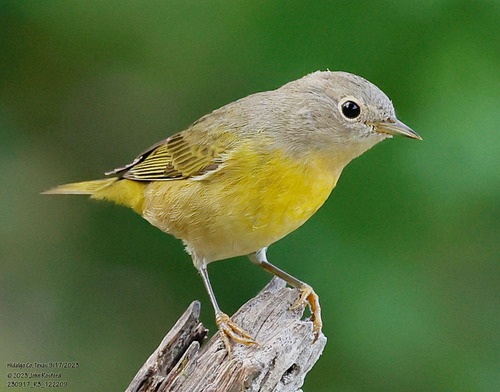
Close Relative (c) John Rosford, some rights reserved (CC BY) · cc-by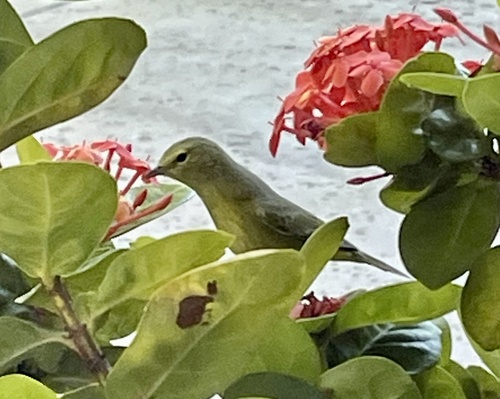
Close Relative no rights reserved · cc0
Keep collecting in Fauna
Found in Collections
Species set Pro
Backyard Birds
Tennessee Warbler is found in this collection. Identify it in Fauna to fill this slot and continue your progress.
Unlock to track progress
Help improve the field guideSomething wrong?
Checking your Fauna account…Report a name, category, or profile issue for review.