
Plant · GBIF taxon 7403263
Lettuce
Lactuca sativaAlso known as Garden Lettuce, Cultivated Lettuce
First domesticated in ancient Egypt from spiny wild ancestors, lettuce develops as a dense basal rosette before stretching into a tall flowering stalk as seasonal temperatures climb. During bolting, stems exude a bitter, milky white latex rich in lactucarium to deter herbivores while producing clusters of delicate yellow blossom heads. When allowed to mature fully in garden plots, its late-summer flowers attract diverse pollinators including hoverflies and solitary bees.
CultivatedHerbaceousAnnual
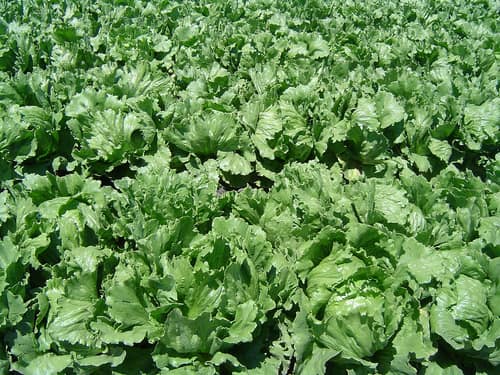
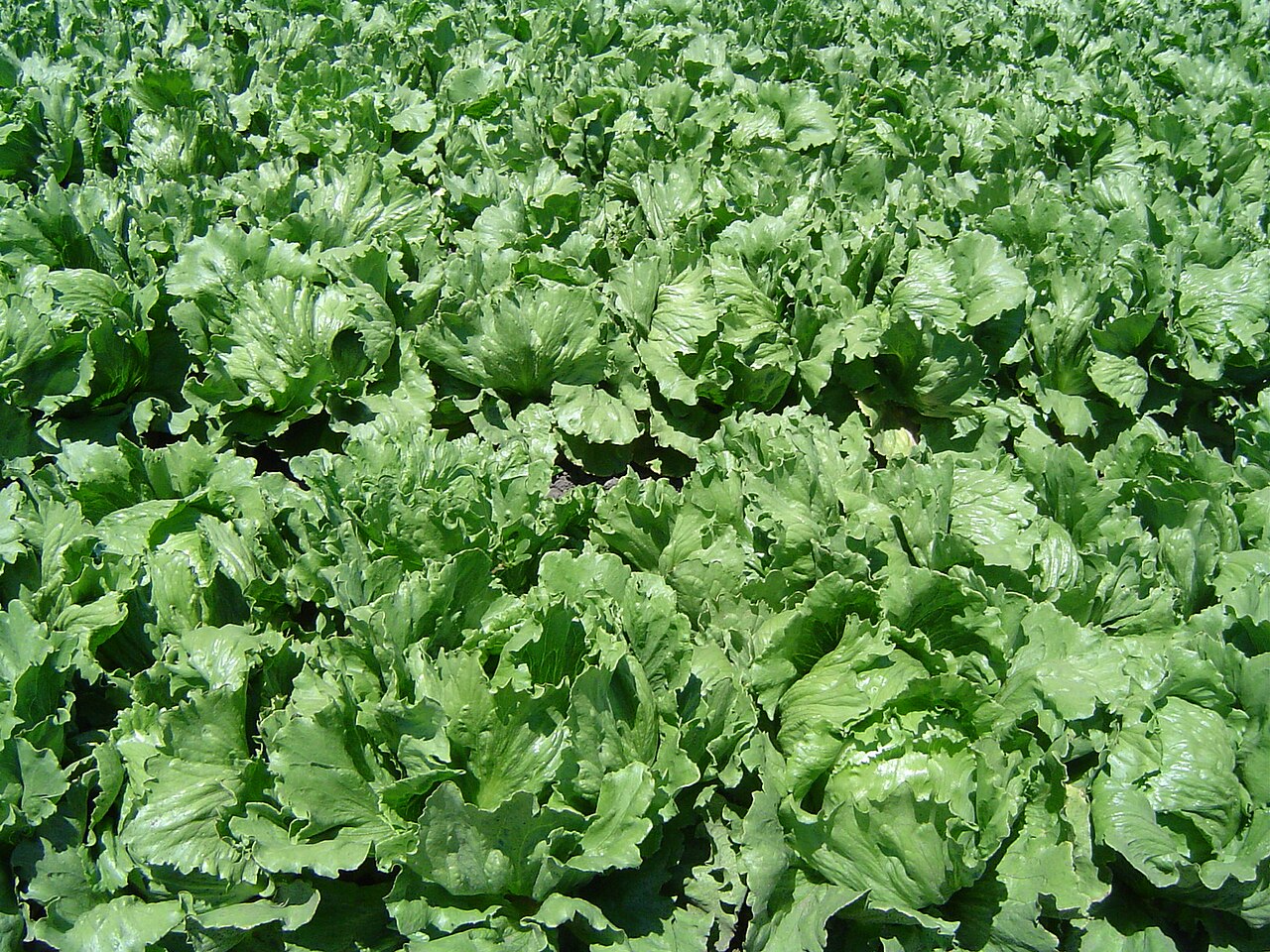
Licensed referenceen:User:Geographer / CC BY 1.0 · cc-by
—observations
—countries
—peak records
Not EvaluatedConservation statusIUCN Red List categoriesLCNTVUENCREWEXNot Evaluated — not placed on the risk ladderRed List categories, explained →
Diet & prey
- Autotrophic (photosynthesis)
Predators
- Slugs and snails
- Aphids
- Cabbage loopers
ThreatsAphid infestations, fungal downy mildew, and heat-induced bolting
HabitatsCultivated farmland, market gardens, and domestic vegetable patches
Life span3–6 months
Size / weightNot available
Classification
- OrderAsterales
- FamilyAsteraceae
- GenusLactuca
- SpeciesLactuca sativa
Range data is not available yet.
Interaction riskLow
- Low
- Moderate
- High
- Very high
- Why interaction risk is low
- Safe to handle and observe at all growth stages.
Responsible observation
- Temperature Monitoring: Plant early in cool spring weather to prevent plants from bolting into bitter flowering stalks.
- Pollinator Observation: Leave a few mature plants to flower in late summer to draw predatory hoverflies and native bees.
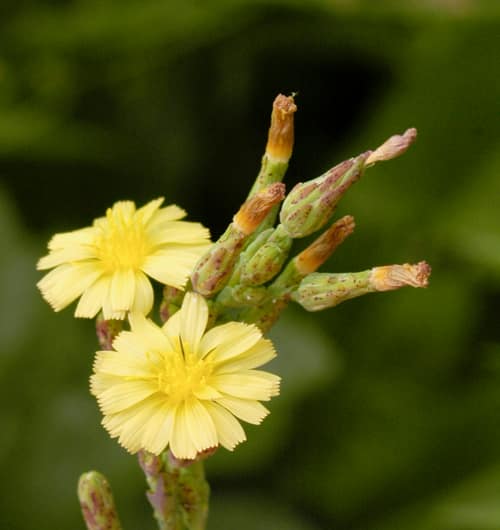
Wild Ancestor (c) George F Mayfield, some rights reserved (CC BY-SA) · cc-by-sa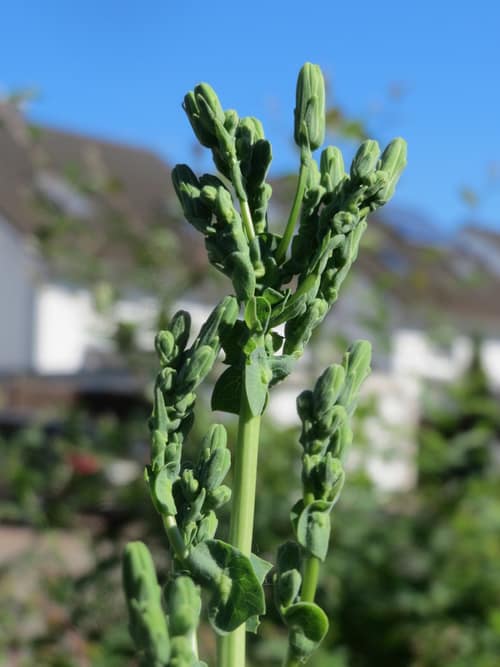
Close Relative (c) Andreas Rockstein, some rights reserved (CC BY-SA) · cc-by-sa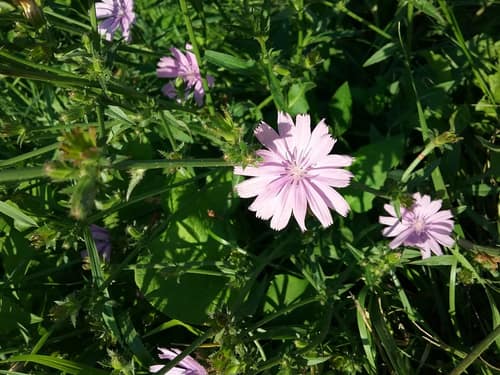
Same Family no rights reserved, uploaded by Mary Crickmore · cc0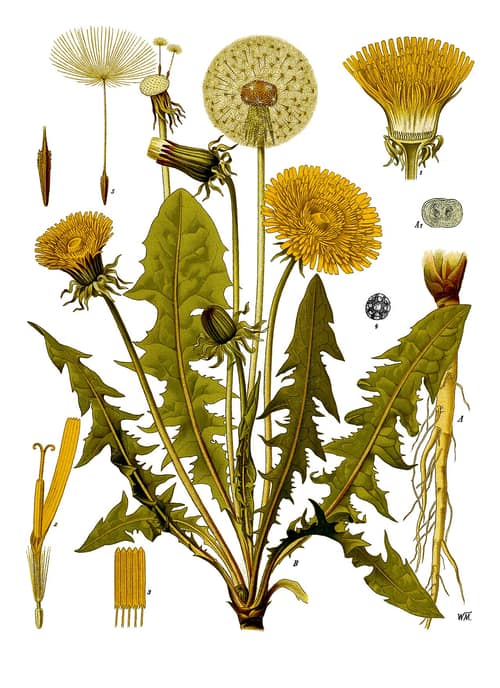
Same Family Walther Otto Müller / Public domain · cc0
Help improve the field guideSomething wrong?
Checking your Fauna account…Report a name, category, or profile issue for review.