
Arachnid · GBIF taxon 7403210
Giant House Spider
Eratigena duellicaAlso known as European Giant House Spider
Giant house spiders are famous for their remarkable speed, darting across floors and walls to retreat into dense sheet webs with funnel-shaped hiding spots. Dark brown with earthy yellow markings on their cephalothorax and abdomen, these nocturnal arachnids excel at controlling household insect populations. Males wander extensively during late summer and autumn searching for sedentary females, often surprising homeowners in sinks and bathtubs.
NocturnalFunnel WeaverFast Runner
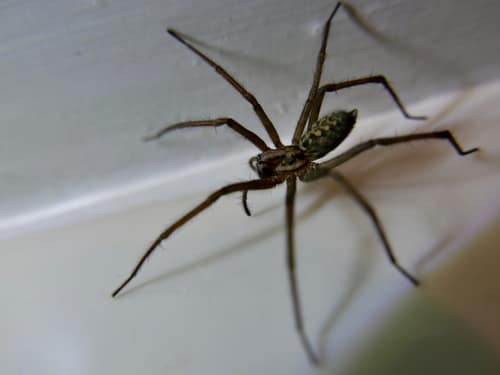
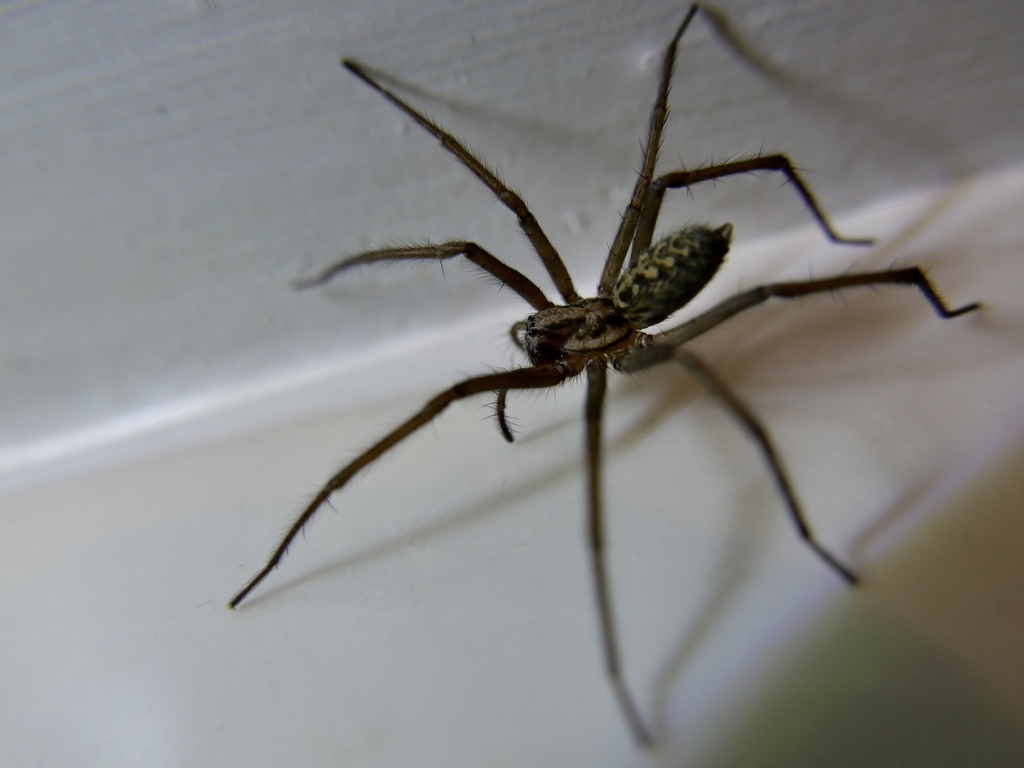
—observations
—countries
—peak records
Not EvaluatedConservation statusIUCN Red List categoriesLCNTVUENCREWEXNot Evaluated — not placed on the risk ladderRed List categories, explained →
Diet & prey
- Flies
- Moths
- Silverfish
Predators
- Cellar Spiders
- Birds
- Cats
ThreatsPesticide use, habitat disruption, competition from other spiders
HabitatsHuman dwellings, basements, sheds, rock crevices, caves
Life span2–3 years
Classification
- OrderAraneae
- FamilyAgelenidae
- GenusEratigena
- SpeciesEratigena duellica
Range data is not available yet.
Interaction riskLow
- Low
- Moderate
- High
- Very high
- Why interaction risk is low
- Harmless to humans; observe safely and avoid handling directly.
Responsible observation
- Cup and Card Relocation: If found indoors, place a glass over the spider and slide a stiff piece of card underneath to move it outside safely.
- Check Sinks and Tubs: Look in slippery basins during autumn mornings, where wandering males often become trapped overnight.
- Observe Web Entrances: Shine a small flashlight near dark corners to spot their silk funnel retreats without disturbing them.
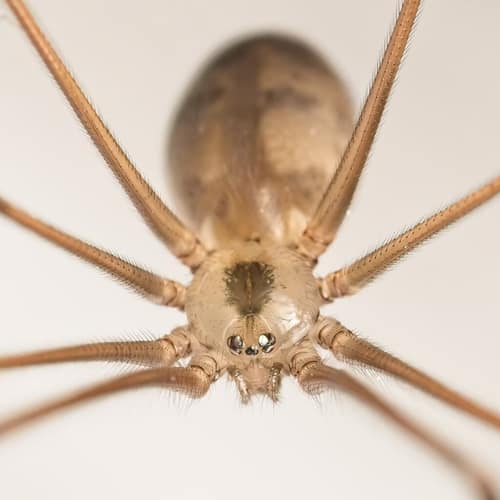
Predator (c) Michael, some rights reserved (CC BY), uploaded by Michael · cc-by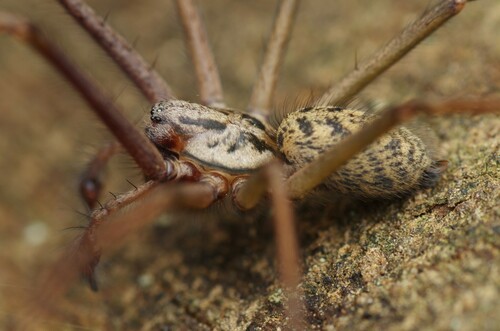
Close Relative (c) Ludivine Lamare, some rights reserved (CC BY), uploaded by Ludivine Lamare · cc-by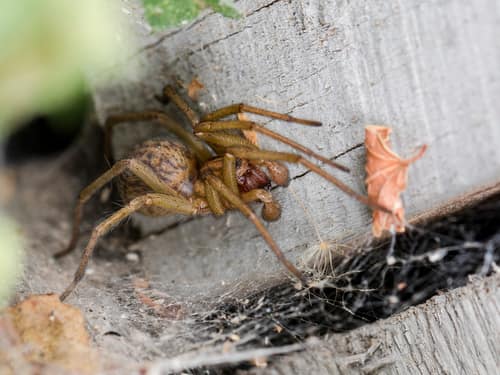
Close Relative (c) Анатолий Озерной /Anatoly Ozernoy, some rights reserved (CC BY-SA) · cc-by-sa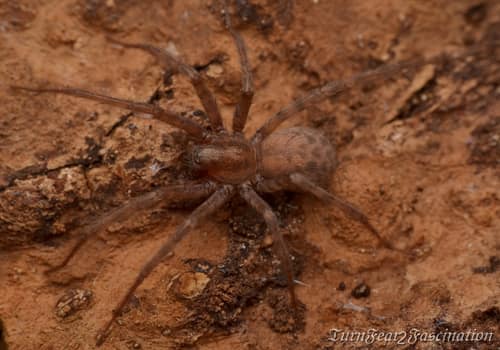
Close Relative (c) Tone Killick, some rights reserved (CC BY), uploaded by Tone Killick · cc-by
Help improve the field guideSomething wrong?
Checking your Fauna account…Report a name, category, or profile issue for review.