
Plant · GBIF taxon 7400250
Platanus hispanica
Platanus hispanicaAlso known as London Plane, Hybrid Plane, London Plane Tree
London plane trees dominate city avenues across the globe, easily recognized by their flaking, camouflage-patterned bark shedding in cream, green, and brown patches. A fertile hybrid between American sycamores and Oriental planes, these long-lived giants excel at filtering urban air pollution and tolerating heavily compacted soil. In winter, spherical seed balls hang from bare branches on long, thread-like stalks, providing forage for finches and other wintering birds.
DeciduousUrban TreeHybrid
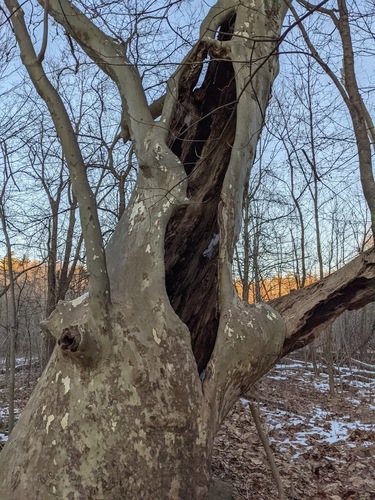
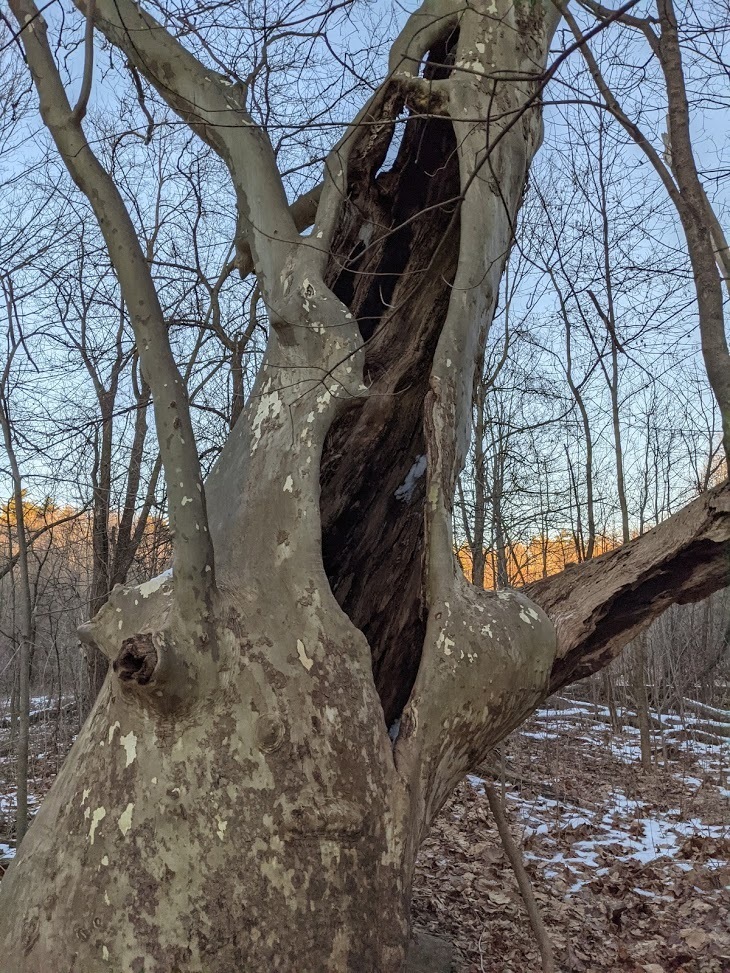
Licensed referenceno rights reserved · cc0
—observations
—countries
—peak records
Not EvaluatedConservation statusIUCN Red List categoriesLCNTVUENCREWEXNot Evaluated — not placed on the risk ladderRed List categories, explained →
Diet & prey
- Photosynthetic
Predators
- Plane Lace Bug
- Sycamore Seed Bug
- Horse Chestnut Leaf Miner
ThreatsPlane anthracnose fungus, massaria disease, severe root compaction
HabitatsUrban streets, city parks, riverbanks, temperate woodlands
Life span300–500 years
Size / weightNot available
Classification
- OrderProteales
- FamilyPlatanaceae
- GenusPlatanus
- SpeciesPlatanus hispanica
Range data is not available yet.
Interaction riskLow
- Low
- Moderate
- High
- Very high
- Why interaction risk is low
- Shedding leaf hairs and pollen in spring can irritate sensitive eyes and airways.
Responsible observation
- Bark Identification: Look for the distinctive patch-patterned bark shedding in jigsaw-like olive, tan, and cream plates.
- Spring Caution: Avoid standing under young unfurling leaves if sensitive to airborne trichomes.
- Winter Observation: Spot dangling seed balls that linger on bare winter branches long after leaves fall.
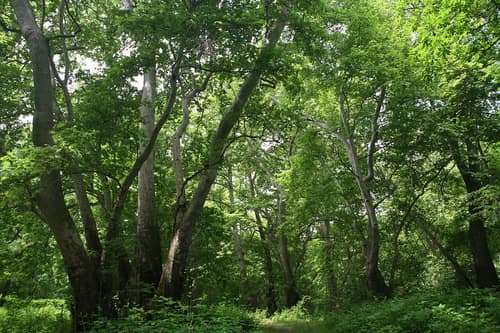
Parent Species uncredited / CC BY-SA 3.0 · cc-by-sa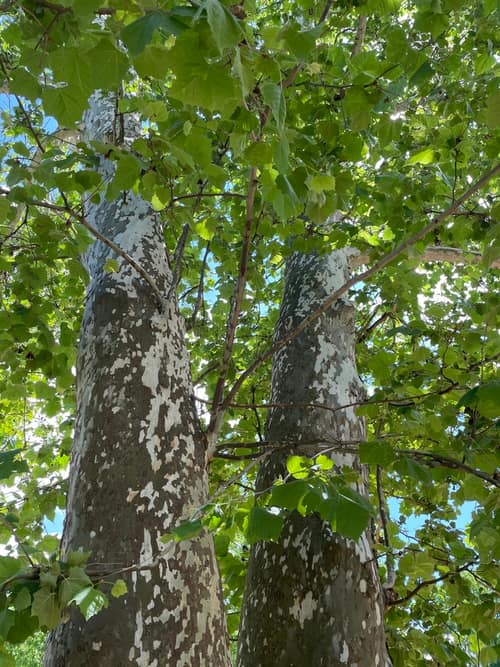
Parent Species no rights reserved, uploaded by Andy Wilson · cc0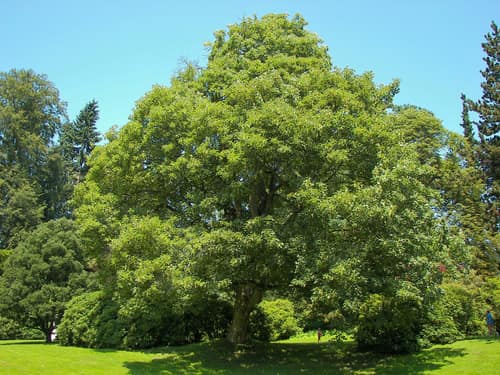
Visual Similar (c) Willow, some rights reserved (CC BY-SA) · cc-by-sa
Help improve the field guideSomething wrong?
Checking your Fauna account…Report a name, category, or profile issue for review.