
Plant · GBIF taxon 7393329
Squash
Cucurbita moschataAlso known as Butternut Squash, Calabaza, Seminole Pumpkin, Musky Gourd
Vigorous tropical vines of squash produce broad, dark green leaves often mottled with silver spots along their veins. Large golden trumpet-shaped blossoms open for a single morning, attracting native bees that cross-pollinate the distinct male and female flowers. Solid, fibrous stems provide exceptional natural immunity to wood-boring insect pests compared to other cultivated gourds.
ViningAgriculturalHeat-Tolerant

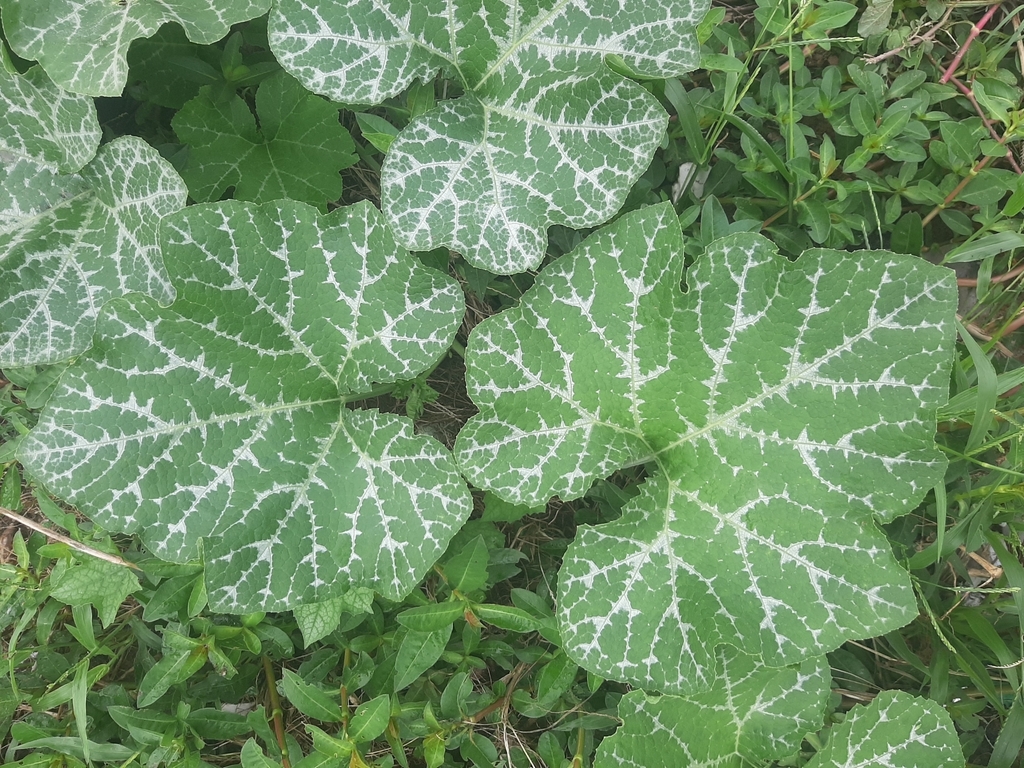
—observations
—countries
—peak records
Not EvaluatedConservation statusIUCN Red List categoriesLCNTVUENCREWEXNot Evaluated — not placed on the risk ladderRed List categories, explained →
Diet & prey
- Autotrophic (Photosynthetic)
Predators
- Cucumber Beetles
- Squash Bugs
- Aphids
ThreatsPowdery mildew, cucumber beetles, severe frost
HabitatsAgricultural fields, home gardens, tropical lowland scrub
Life spanAnnual (1 growing season)
Size / weightNot available
Classification
- OrderCucurbitales
- FamilyCucurbitaceae
- GenusCucurbita
- SpeciesCucurbita moschata
Range data is not available yet.
Interaction riskLow
- Low
- Moderate
- High
- Very high
- Why interaction risk is low
- Safe to observe at a normal distance.
Responsible observation
- Flower Timing: Look early in the morning when the bright orange blossoms fully open for pollinators.
- Stem Identification: Examine the pentagonal stalk attached to the fruit, which flares widely at the point of attachment.
- Space Management: Allow several meters of ground space for the sprawling vines to spread freely.
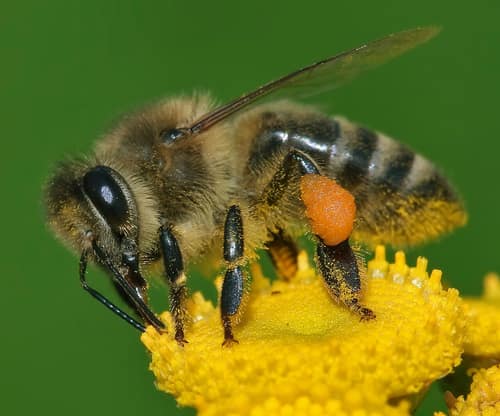
Pollinator Andreas Trepte / CC BY-SA 2.5 · cc-by-sa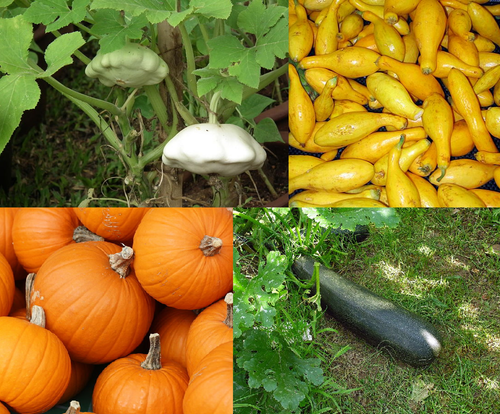
Close Relative Various / CC BY-SA 1.0 · cc-by-sa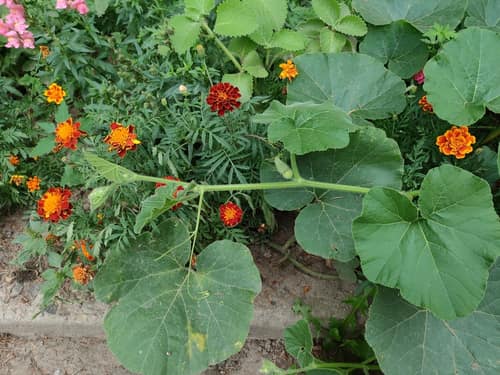
Close Relative (c) mikami-kun, some rights reserved (CC BY), uploaded by mikami-kun · cc-by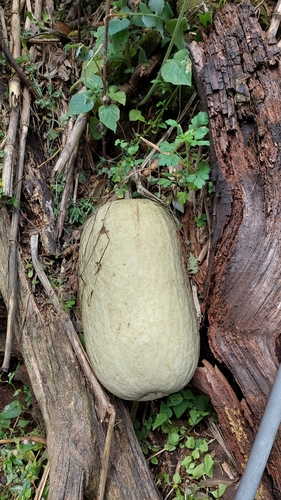
Close Relative (c) Juan Carlos Caicedo Hernández, some rights reserved (CC BY) · cc-by
Help improve the field guideSomething wrong?
Checking your Fauna account…Report a name, category, or profile issue for review.