
Fungus · GBIF taxon 7391760
Common Conecap
Conocybe teneraAlso known as Brown Dunce Cap, Common Cone Head, Conecap Mushroom
Common conecaps feature delicate, cone-shaped brown caps perched atop thin, fragile stems that sprout among rich soils and grassy habitats. These saprobic fungi decompose dead plant matter, playing an essential role in cycling nutrients back into lawn and pasture ecosystems. Their ephemeral fruiting bodies appear rapidly after summer rains and wither quickly under direct heat.
FungusSaprobicEphemeral
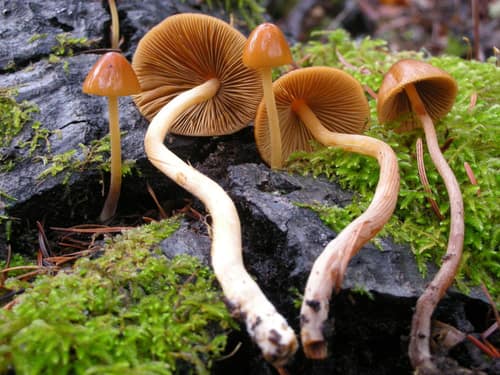
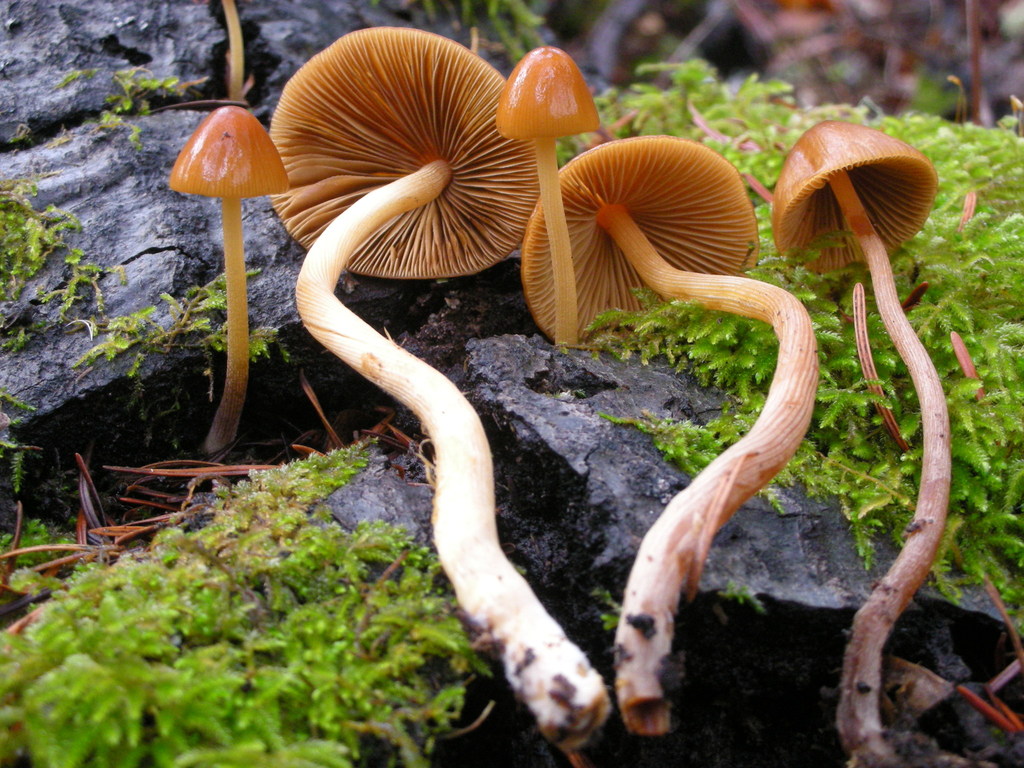
—observations
—countries
—peak records
Not EvaluatedConservation statusIUCN Red List categoriesLCNTVUENCREWEXNot Evaluated — not placed on the risk ladderRed List categories, explained →
Diet & prey
- Saprobic (decomposing dead plant matter)
Predators
- Fungus Gnats
- Slugs
- Springtails
ThreatsHabitat clearing and lawn fungicide treatment
HabitatsLawns, pastures, grassy fields, and rich soil
Life spanFruiting body lasts 1–3 days
Size / weightNot available
Classification
- OrderAgaricales
- FamilyBolbitiaceae
- GenusConocybe
- SpeciesConocybe tenera
Range data is not available yet.
Interaction riskHigh
- Low
- Moderate
- High
- Very high
- Why interaction risk is high
- Potentially toxic and easily confused with deadly look-alikes; never eat wild fungi based on app identification alone.
- Why it is dangerous
- Contains harmful fungal compounds causing severe gastrointestinal distress, and closely resembles species containing deadly amatoxins.
- How to recognize a risky encounter
- Recognizable by its small cinnamon-brown conical cap, fragile pale stem, and fine vertical striations along the cap margin.
- What to do
- Observe in place without picking, and keep children and pets away from lawn mushrooms.
Responsible observation
- Observe in Morning: Look for fresh specimens early in the day before sunlight causes the delicate caps to collapse.
- Check Gill Attachment: Examine how the narrow rusty brown gills attach to the fragile stem to assist identification.
- Avoid Ingestion: Never harvest small brown mushrooms because many related species carry lethal toxins.
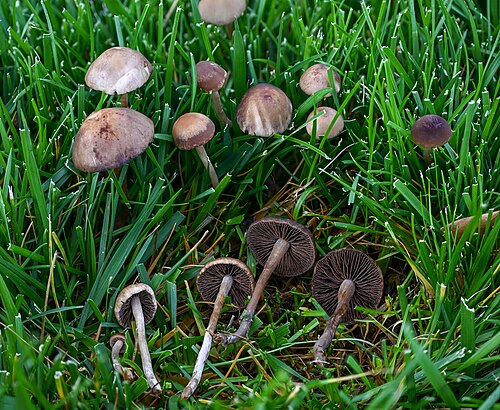
Habitat Competitor Alan Rockefeller / CC BY-SA 4.0 · cc-by-sa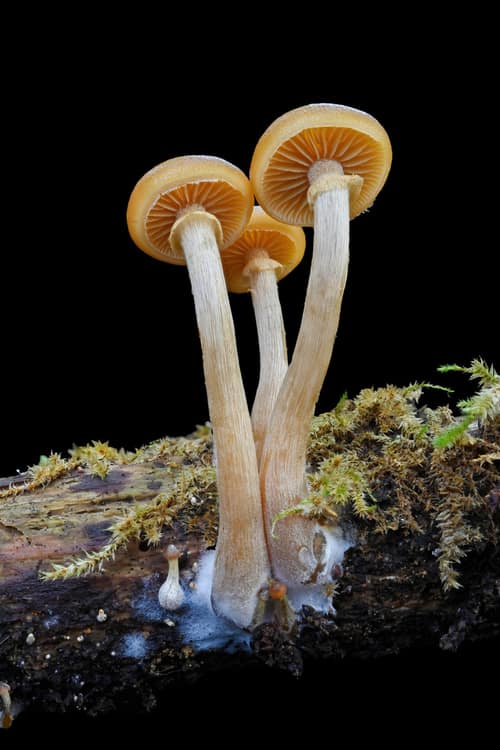
Look-Alike (c) Alan Rockefeller, some rights reserved (CC BY), uploaded by Alan Rockefeller · cc-by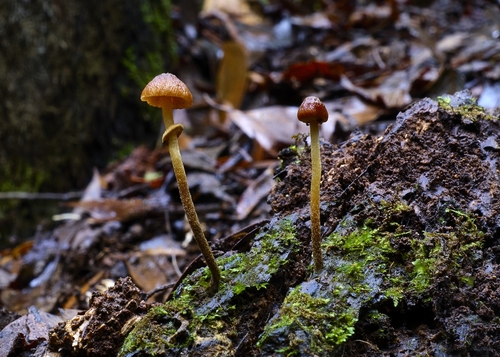
Close Relative (c) Brendan Costello, some rights reserved (CC BY) · cc-by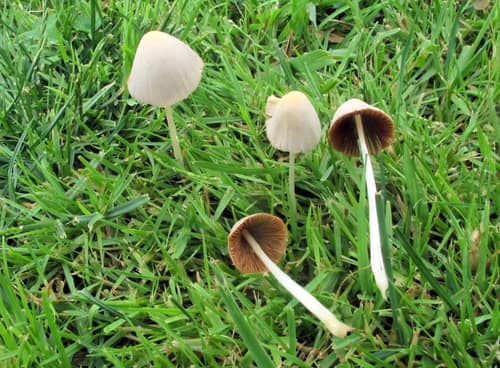
Genus Relative (c) mycowalt, some rights reserved (CC BY-SA), uploaded by mycowalt · cc-by-sa
Help improve the field guideSomething wrong?
Checking your Fauna account…Report a name, category, or profile issue for review.