
Reptile · GBIF taxon 7374453
Indian Spiny-tailed Lizard
Saara hardwickiiAlso known as Hardwicke's Spiny-Tailed Lizard, Indian Uromastyx, Hardwicke's Lizard
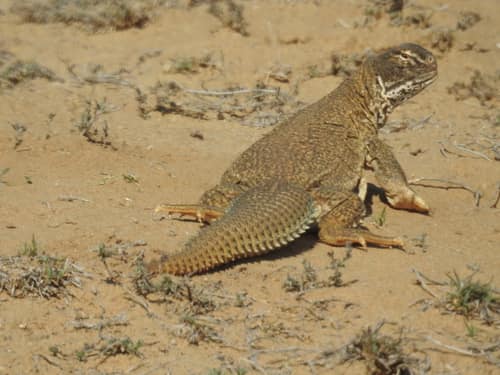
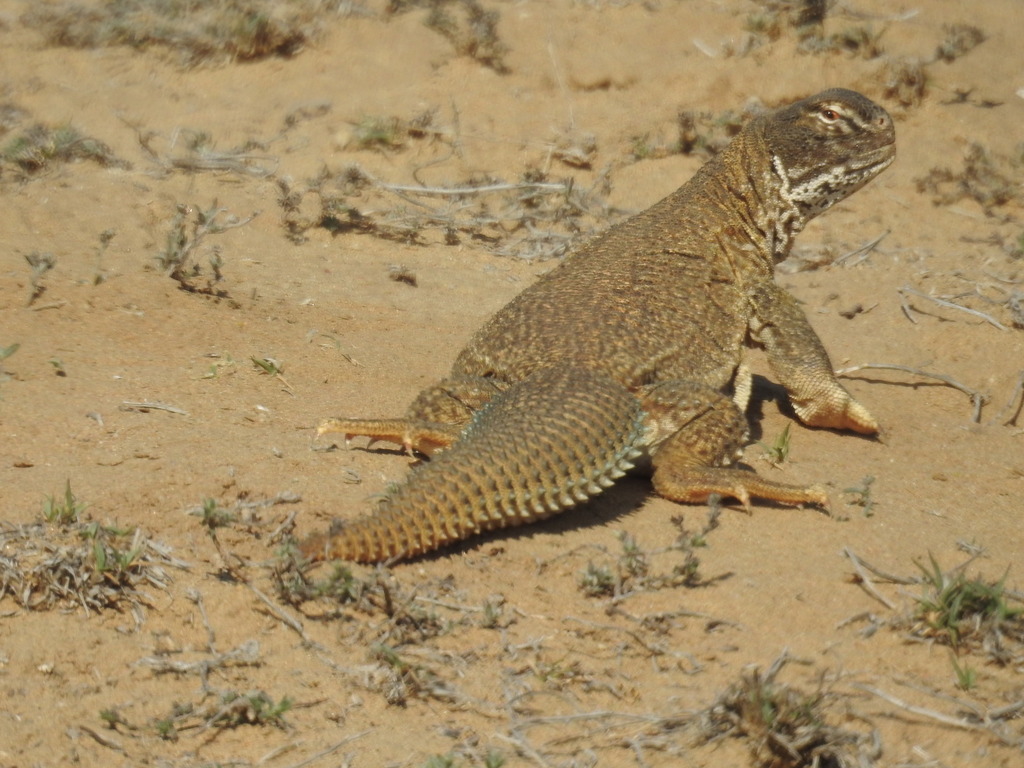
Indian spiny-tailed lizards are communal burrowers that spend cool desert nights and intense noon heat inside self-dug underground tunnels. During morning hours, these heavily built reptiles emerge to graze on desert vegetation, rarely venturing far from their entrance holes. When threatened by overhead predators, they retreat tail-first into their burrows and block the tunnel passage using their thick, spiny tail.
DiurnalHerbivorousBurrowing
—observations
—countries
—peak records
VulnerableConservation statusIUCN Red List categoriesLCNTVUENCREWEXVulnerableRed List categories, explained →
Diet & prey
- Wild Grasses
- Desert Flowers
- Cactus Fruits
Predators
- Tawny Eagle
- Lagger Falcon
- Desert Fox
ThreatsIllegal poaching for oil, habitat loss from farming, solar power development
HabitatsArid shrublands, desert plains, saline flats, dry grasslands
Life span10–15 years
Size / weightNot available
Classification
- FamilyAgamidae
- SpeciesSaara hardwickii
Range data is not available yet.
Interaction riskLow
- Low
- Moderate
- High
- Very high
- Why interaction risk is low
- May bite or lash its heavy tail if cornered; observe quietly from a respectful distance.
- Why it is dangerous
- Powerful jaw muscles produce a painful bite, and the muscular tail carries sharp, hardened spine rings that can scratch skin when whipped.
- How to recognize a risky encounter
- Recognized by a stocky, flattened tan body, short blunt head, and a heavy tail lined with distinct spiny rings.
- What to do
- Never reach into active burrows or attempt to capture individuals; maintain a clear distance to prevent defensive tail lashing.
- What to notice
- Forms loose colonies of ground burrows across open, undeveloped desert flatlands and dry salt pans.
- Support conservation
- Avoid publishing precise GPS coordinates of wild colonies and refrain from disturbing burrow entrances or fragile desert soil.
Responsible observation
- Spotting Burrows: Look for small mound entrances on open arid plains during warm morning hours.
- Maintaining Distance: Approach slowly without casting direct shadows over burrows, as light changes send them underground.
- Basking Hours: Observe early in the morning when individuals sit near tunnel entrances to absorb heat.
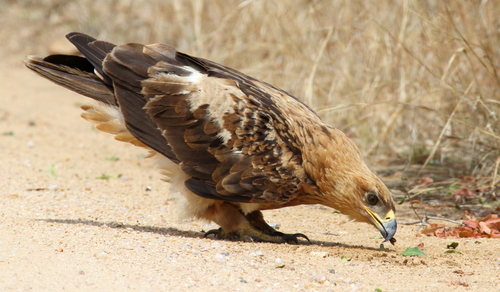
Predator (c) Alan Manson, some rights reserved (CC BY), uploaded by Alan Manson · cc-by Image unavailable
Frequent Companion 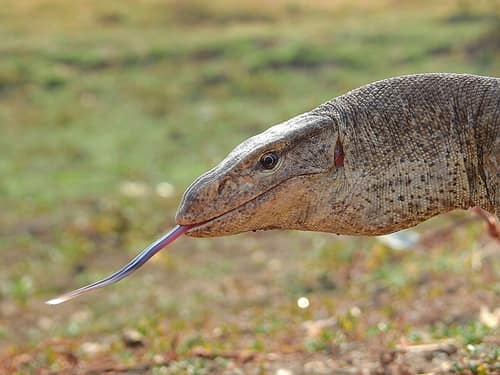
Competitor Shantanu Kuveskar / CC BY-SA 4.0 · cc-by-sa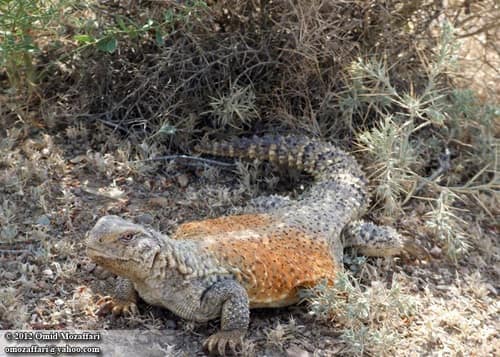
Close Relative (c) Omid Mozaffari, some rights reserved (CC BY) · cc-by
Help improve the field guideSomething wrong?
Checking your Fauna account…Report a name, category, or profile issue for review.