
Plant
Sea Apple
Syzygium grandeAlso known as Jambu Laut, Great Sea Apple, Tall Eugenia
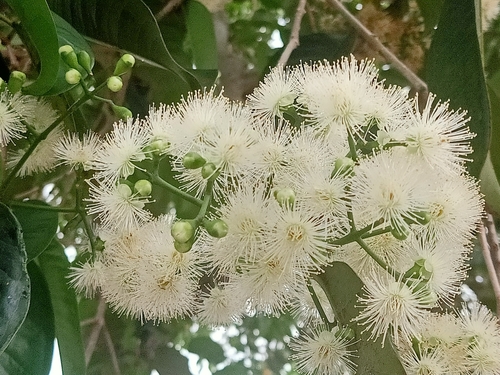
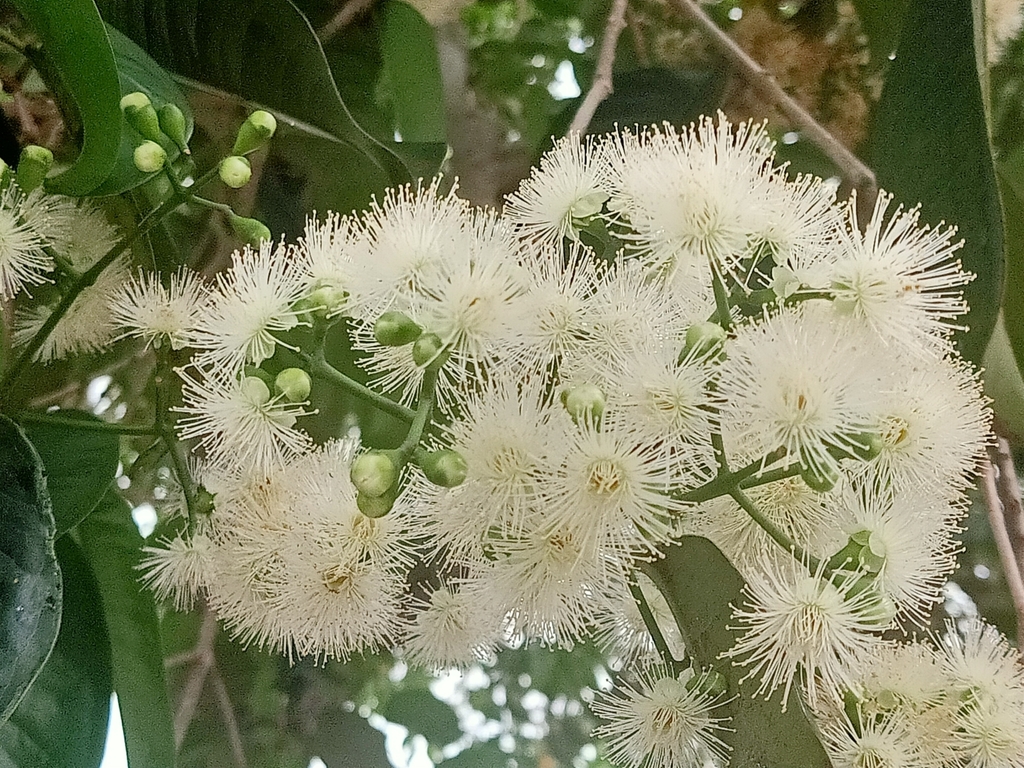
Sea apple is a towering coastal tree with a dense, spreading crown of dark green, leathery foliage that resists harsh onshore winds and salt spray. In late spring and after dry spells, the canopy erupts with clusters of white, pom-pom-like flowers that perfume the evening air and draw hordes of nectar-feeding bats and honeybees. Its small green fruits ripen into dense clusters that provide vital sustenance for flying foxes, bulbuls, and macaque troops across Southeast Asia.
EvergreenCoastalFlowering
—observations
—countries
—peak records
Least ConcernConservation statusIUCN Red List categoriesLCNTVUENCREWEXLeast ConcernRed List categories, explained →
Diet & preyPhotoautotroph
Predators
- Leaf-cutter caterpillars
- Wood-boring beetles
- Scale insects
ThreatsCoastal development, shoreline hardening, habitat clearing
HabitatsRocky and sandy coasts, coastal secondary forests, tidal riverbanks, urban parks
Life span60–100+ years
Classification
- FamilyMyrtaceae
- SpeciesSyzygium grande
Range data is not available yet.
Interaction riskLow
- Low
- Moderate
- High
- Very high
- Why interaction risk is low
- Wild berries have toxic look-alikes; never eat based on app identification alone.
Responsible observation
- Viewing Blooms: Look high into the canopy after dry spells to spot explosive clusters of fluffy white blossoms.
- Wildlife Watching: Check fruiting branches at dusk to observe fruit bats feeding on the ripening crop.
- Leaf Examination: Observe the distinct pairs of leathery leaves with down-curved tips adapted to shed torrential rain.
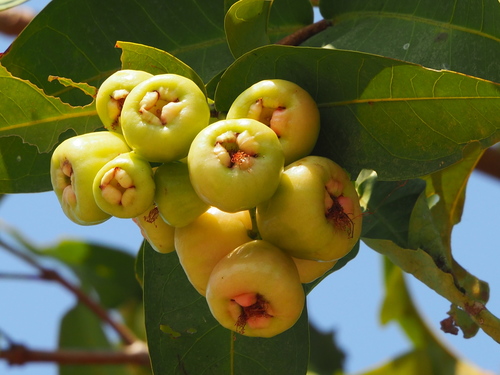
Same Genus no rights reserved, uploaded by 葉子 · cc0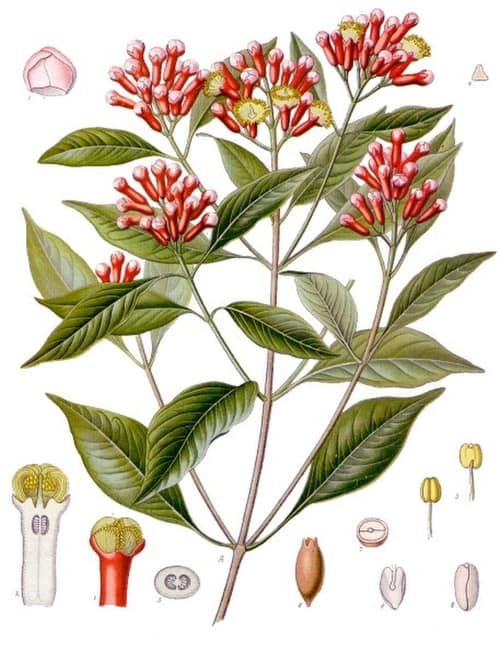
Same Genus Franz Eugen Köhler, Köhler's Medizinal-Pflanzen / Public domain · cc0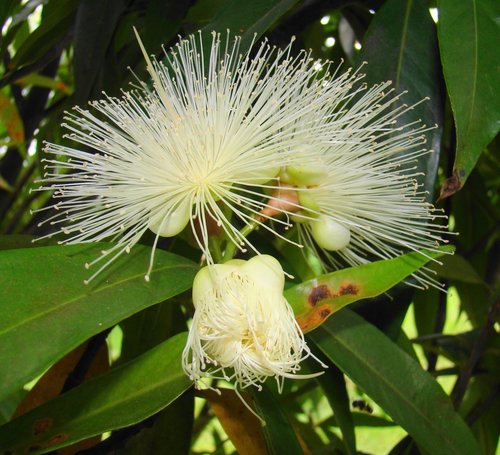
Same Genus (c) mauroguanandi, some rights reserved (CC BY) · cc-by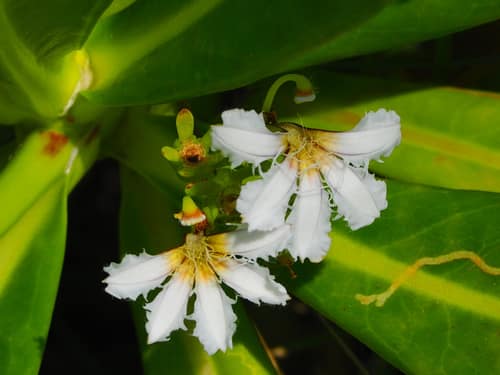
Coastal Companion no rights reserved, uploaded by 葉子 · cc0
Help improve the field guideSomething wrong?
Checking your Fauna account…Report a name, category, or profile issue for review.